
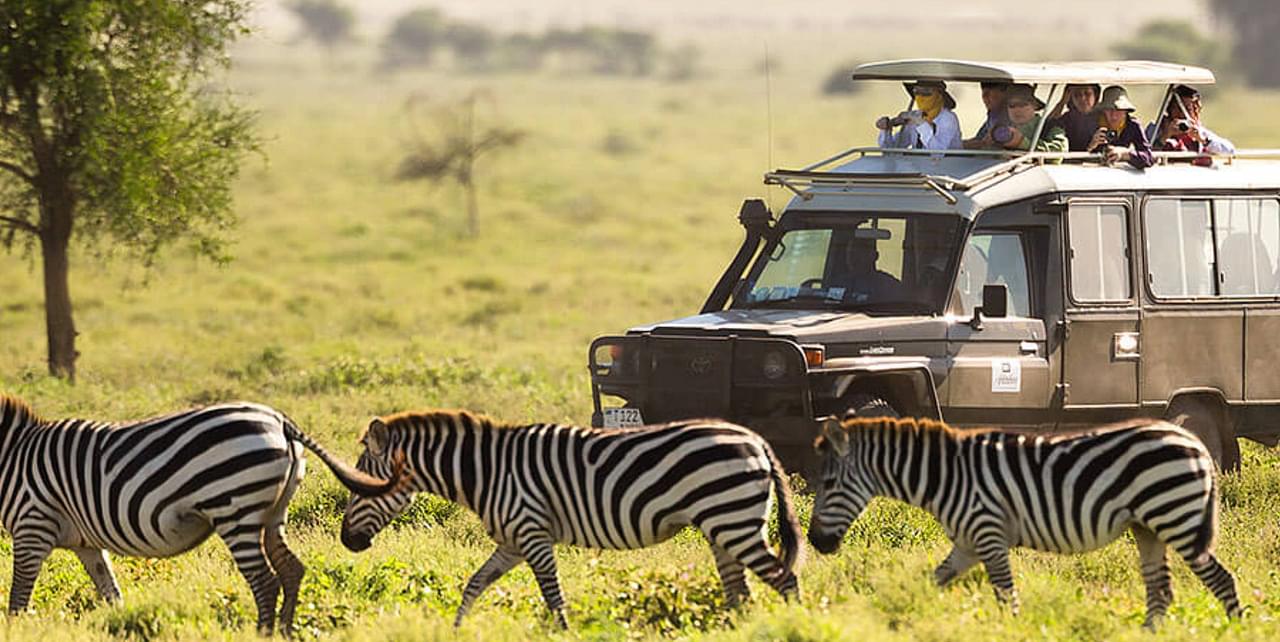
The things to see in Nairobi surprised me more than anything else during my entire first trip to Kenya back in 2014. I’d planned exactly 18 hours in the city – just long enough to sleep off jet lag before catching a morning flight to Maasai Mara. My hotel concierge asked what I wanted to do with my afternoon. “Nothing really,” I told him. “Just rest before the real safari starts tomorrow.”
He gave me this look. Not rude, just… knowing. Like he’d heard that exact sentence a thousand times before.
“Go to the Giraffe Centre,” he said. “Trust me. Just go.”
Three hours later, I was standing on a wooden platform with a giraffe’s impossibly long purple tongue wrapping around my palm, its gentle eyes meeting mine while downtown Nairobi’s skyline rose up behind us. I extended my trip by four days. Rebooked everything. Because suddenly I understood what that concierge knew all along: the things to see in Nairobi aren’t just “before safari” activities. They’re incredible experiences that happen to exist in one of Africa’s most misunderstood cities.
Fast forward to now, and I’ve spent nearly a decade working with Pega Tours, watching this exact revelation play out every single week. Just yesterday, a British couple told me they’d originally allocated zero full days to Nairobi. Zero. After experiencing what the city actually offers? They stayed five extra days and called it their favorite part of Kenya.
Here’s what almost nobody tells you: Nairobi is the only capital city on Earth with a full national park inside its borders. Not a zoo. Not a wildlife reserve. A legitimate, wild-animal-filled, Big-Four-spotting safari park where you can watch lions hunt at 7 AM and eat breakfast back at your Westlands hotel by 10. Show me another city that can do that. You can’t, because no other city can.
But the things to see in Nairobi go so far beyond just wildlife. This city exists at this fascinating crossroads between traditional African culture and cutting-edge modern development. One minute you’re watching Maasai warriors in full ceremonial dress. The next you’re grabbing specialty coffee in a trendy café that wouldn’t look out of place in Brooklyn. Street vendors grill nyama choma beside farm-to-table restaurants serving fusion cuisine. Ancient forests hide inside a bustling city of 5 million people.
Look, I’m completely biased at this point – I’ve been showing visitors around Nairobi since 2015 through Pega Tours. But I’ve also watched thousands of travelers arrive skeptical and leave genuinely enchanted. The pattern is consistent: travelers who give Nairobi a real chance always plan return trips. Those who skip it always express regret later.
So whether you’ve got 24 hours, three full days, or an entire week, this guide covers what actually matters. No filler, no places I’m getting paid to promote, just genuine experiences that made me fall in love with this chaotic, surprising, beautiful city.
Let’s get into it.

Nairobi National Park Safari: Lions Hunting With Skyscrapers in the Background
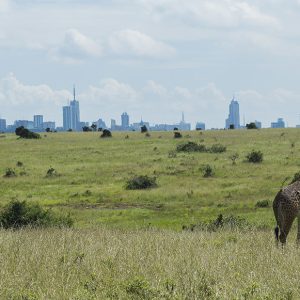
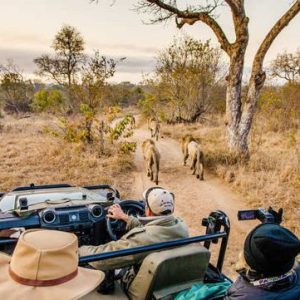
There’s this specific moment during early morning game drives that never stops being completely surreal. You’re photographing a lioness stalking zebras through tall grass, completely focused on your camera settings, trying to nail the shot. Then you lower your camera for a second to check the scene with your naked eye, and suddenly you notice the entire downtown Nairobi skyline rising up through the morning haze directly behind the hunt.
Wild predators. Urban development. Same photograph. How does this even work?
That’s Nairobi National Park, and honestly, it shouldn’t exist but thank God it does.
A Park That Defies Logic
When conservationists established this park in 1946, plenty of people thought they’d lost their minds. Wildlife sanctuary seven kilometers from a rapidly growing city? The animals would flee or die, critics predicted. Urban sprawl would destroy everything within decades.
Seventy-nine years later, the park is thriving against all odds. Black rhinos roam freely close enough to the CBD that you can see office buildings from certain viewpoints. Lions raise cubs within sight of highways. Cheetahs hunt while planes approach JKIA overhead. It’s bizarre and shouldn’t function, yet it absolutely does.
What Actually Lives Here (Real Talk)
Let me set honest expectations right from the start. You’ll see four of the Big Five in this park – everything except elephants. The park’s 117 square kilometers can’t provide the massive territories elephants require, so they don’t live here. Everything else? Absolutely present.
Black rhinos steal the show completely. This park protects one of Kenya’s most successful black rhino sanctuaries, and your chances of spotting these critically endangered animals are genuinely excellent. I’ve personally had mornings where we spotted six different rhinos during a single four-hour drive. Try achieving that in Maasai Mara’s 1,500 square kilometers where rhinos can hide for days.
Lions maintain stable prides here. Unlike massive parks where big cats disappear into thick bush for extended periods, Nairobi’s relatively open plains mean regular, reliable sightings. Our guide Dennis has developed this almost supernatural ability to predict their locations based on territorial patterns and recent kill sites. Request him specifically when you book with Pega Tours if possible.
Then there’s the incredible supporting cast: giraffes doing that awkward leg-spread drinking maneuver, zebras migrating through in thousands during peak seasons, buffalos giving suspicious side-eye to every vehicle, hippos lounging in permanent dams, cheetahs hunting when you’re lucky, and over 400 documented bird species for anyone who appreciates feathered wildlife.
Why Timing Makes Everything Different
Do the early morning drive. I say this to absolutely everyone, some people ignore the advice, and they always regret it afterward. Here’s why dawn matters so much:
Animals are most active during cool morning hours when they hunt and move around freely. The lighting creates that perfect golden glow that makes every photo look professionally shot. You’ll avoid both the brutal midday heat and the afternoon tour bus crowds that roll in later.
Gates open at 6 AM sharp. Arrive by 6:15 AM if possible. Budget at least four to five hours minimum for the experience. Some lucky mornings you’ll spot the Big Four within ninety minutes. Other days require patient searching. That’s genuine wildlife for you – wild, unpredictable, and more thrilling precisely because you can’t control it.
Money Talk (Because Everyone Wonders)
International adult visitors pay approximately $43 for park entry, with rates adjusting slightly based on peak versus low season. That’s not cheap compared to city museums, but it’s significantly less than equivalent parks in South Africa or Botswana while offering equally impressive wildlife encounters.
You’ll also need a proper safari vehicle with a pop-up roof – regular sedans can’t handle certain roads and offer terrible wildlife viewing angles. Most visitors book through established operators like Pega Tours who bundle the vehicle, experienced guide, and park entry fees together in comprehensive packages.
David Sheldrick Elephant Orphanage: Where Grown Adults Cry Happy Tears
I’ve watched tough, bearded guys completely lose their composure at the elephant orphanage. The kind of men who probably ride motorcycles and never admit emotions. Standing there with tears openly streaming down their faces as baby elephants play in mud baths just meters away.
It happens constantly, and there’s absolutely zero shame in it because these elephants will emotionally wreck you in the best possible way.
The Conservation Story Behind It All
The David Sheldrick Wildlife Trust operates Kenya’s most successful elephant rescue and rehabilitation program. Since founding in 1977, they’ve saved over 300 orphaned elephants – babies who lost mothers to poaching, drought, human-wildlife conflict, or tragic accidents.
The orphanage opens to public visitors for exactly one hour daily, from 11 AM to noon. During that precious hour, baby elephants charge out enthusiastically for their midday milk feeding, and you watch the entire adorable chaos unfold from just meters away.
What Actually Happens
Each orphaned elephant has one dedicated keeper who intimately knows their unique personality, food preferences, and individual backstory. These keepers explain exactly how each baby arrived at the sanctuary – some stories break your heart, all offer hopeful endings about eventual wild release.
Then the elephants basically perform every behavior you’ve seen in wildlife documentaries: play-fighting with each other, rolling in mud baths, investigating curious visitors with exploring trunks, and generally being impossibly adorable.
What makes people emotional isn’t just cuteness overload. It’s understanding that these specific elephants survived genuine tragedy, that dedicated humans worked tirelessly saving them, and that they’ll eventually return to wild populations helping rebuild numbers. You’re witnessing active conservation, and it’s genuinely powerful.
Critical Planning Information
You absolutely must book online in advance through their official website. Walk-in visitors aren’t accepted under any circumstances. Available slots fill up extremely fast, especially during high season from June through October. Book as early as your travel dates allow.
Arrive at least 15 minutes before the 11 AM start time to secure decent viewing positions near the feeding area. The hour passes shockingly fast. Bring your camera but also spend significant time just watching without screens blocking the experience.
Consider fostering an orphan elephant for approximately $50 annually. You’ll receive monthly email updates, exclusive photos, and personal stories about your specific orphan’s progress toward eventual wild release.
Giraffe Centre: Getting Kissed by Endangered Rothschild Giraffes
A giraffe’s tongue measures roughly 45 centimeters long, displays a purple-black color, and feels surprisingly warm and slightly slimy when it wraps around your hand snatching pellets. This represents oddly specific knowledge I now possess entirely because of the Giraffe Centre experience.
Honestly? It’s become one of my favorite weird facts to casually mention at dinner parties back home.
Why This Place Exists
The African Fund for Endangered Wildlife established the Giraffe Centre back in 1979 with one specific mission: save the critically endangered Rothschild giraffe subspecies. At that point, only about 130 individuals remained in Kenya’s entire wild population.
Today, thanks to breeding programs that originated right here, that population has grown past 2,000 individuals. The Centre isn’t operating as a zoo – it’s functioning as a legitimate breeding sanctuary where giraffes naturally live, breed, and eventually get relocated to protected areas across Kenya, boosting wild populations systematically.
The Actual Experience
The setup is wonderfully straightforward and accessible. You stand on an elevated wooden platform that positions you at perfect eye level with these towering animals. Staff members provide special feeding pellets. The giraffes approach entirely voluntarily, using those incredible tongues to grab treats directly from your outstretched hand – or if you’re feeling brave, from between your lips for the famous “giraffe kiss” photo.
Beyond the feeding interaction, there’s an educational center packed with information about giraffe biology and ongoing conservation efforts. A peaceful nature trail winds through indigenous Gogo River forest. Resident warthogs wander the grounds constantly photobombing pictures. The photo opportunities here are genuinely spectacular.
Best Timing Strategy
Morning visits between 9 and 10 AM offer the quietest experience with the hungriest giraffes, which translates to maximum interaction opportunities. Afternoon visits work perfectly fine but expect significantly larger tour bus crowds.
Budget one to two hours total for the complete experience. Don’t rush through it. Take time walking the forest trail after feeding time – it offers peaceful natural beauty and creates nice contrast to the energetic giraffe interaction.
The Centre sits in the upscale Karen suburb, making it incredibly easy to combine with Karen Blixen Museum visits and excellent local restaurants for comprehensive Karen-area half-day tours.

Karen Blixen Museum: Walking Through Out of Africa History
Even if you’ve never read the memoir or watched the Meryl Streep film, there’s something deeply romantic and haunting about this perfectly preserved colonial farmhouse sitting at the foot of Ngong Hills. Afternoon light filters through the same windows it did when Karen Blixen lived here a century ago, and you can almost hear echoes of the legendary dinner parties she hosted for hunters, settlers, and Kikuyu friends.
The Real Story
Danish author Karen Blixen operated a coffee farm on this exact property from 1914 through 1931. The farm ultimately failed catastrophically – wrong altitude for quality coffee, persistent financial troubles, and terrible timing with global markets. Failure forced her return to Denmark broke and heartbroken.
That devastating failure led directly to her writing “Out of Africa,” the memoir that made this specific place internationally famous and sparked decades of romantic fascination with colonial Kenya.
The museum preserves the house in remarkable original condition, filled with authentic furniture, personal photographs, original farm equipment, and intimate belongings. Walking through these rooms feels like stepping into genuinely preserved history rather than experiencing some sanitized recreated exhibit.
Why It Resonates So Deeply
Because it’s authentic in ways most historical tourist sites simply aren’t anymore. These represent the actual rooms where Blixen wrote letters, entertained famous guests, and lived through passionate love affairs, financial disasters, and profound personal tragedies. The house hasn’t been updated or modernized or made comfortable for tourists. You’re experiencing real history in all its complicated, beautiful, melancholy reality.
The gardens alone justify the visit, offering stunning unobstructed views toward those iconic Ngong Hills that feature so prominently throughout her writings.
Bomas of Kenya: Experiencing Traditional Culture Authentically
Want to experience traditional Maasai warrior dancing, Luhya drumming ceremonies, Kikuyu homestead life, and Kalenjin acrobatic performances all during one single afternoon? Bomas of Kenya delivers exactly that impressive cultural variety in professionally produced, genuinely entertaining presentations.
What This Place Offers
“Bomas” translates as “homesteads” in Swahili. The sprawling attraction features carefully recreated traditional villages representing Kenya’s 40+ major ethnic groups – each displaying distinct architecture, unique customs, and different cultural practices.
You walk freely through authentic-looking homesteads, observe traditional construction methods up close, learn about different communities’ historical lifestyles, and develop real understanding of just how culturally diverse Kenya truly is beneath its modern surface.
The Main Cultural Performance
The absolute highlight happens during the daily afternoon show, typically running from 2:30 through 4:00 PM. Expect high-energy traditional dances from numerous Kenyan communities, impressive acrobatic displays, powerful drumming performances, and enthusiastic audience participation that will absolutely get you pulled on stage eventually.
The energy is incredibly contagious. Even initially skeptical visitors who worried it might feel overly touristy inevitably end up clapping along, laughing genuinely, and thoroughly enjoying themselves. The performers demonstrate real talent, the music pulses infectiously, and it’s just genuinely fun entertainment.
Perfect for first-time Kenya visitors wanting cultural context before safari adventures, families with children who love interactive performances, and anyone with limited time wanting an efficient crash course in Kenyan diversity.
Karura Forest: Finding Peace Inside City Chaos
After enduring days of dusty safari drives or navigating chaotic Nairobi traffic, Karura Forest feels like discovering a secret portal opening directly into tranquility right in the city’s middle. This massive 1,041-hectare indigenous forest offers peaceful walking trails, hidden waterfalls, historically significant caves, and remarkable birdwatching opportunities – all existing completely within city limits.
Over 50 kilometers of exceptionally well-maintained trails wind throughout the forest, ranging from easy flat walks perfect for families to more challenging hikes requiring decent fitness. Mountain bike rentals available at main entrances. Designated picnic sites near the waterfall create perfect afternoon family gathering spots.
Wildlife includes playful Colobus monkeys swinging through the canopy, shy bush bucks darting through undergrowth, elusive duikers hiding in dense thickets, and over 200 documented bird species. You definitely won’t encounter lions here, but the forest provides peaceful nature immersion that beautifully complements more intense safari experiences.
Why Locals Fought For It
Karura represents successful urban conservation against serious odds. Throughout the 1990s, this forest faced genuine threats from proposed development projects and illegal settlement encroachment. Local environmental activists literally placed their bodies on the line protecting it from destruction.
Today it stands as living proof that determined conservation efforts can succeed even inside Africa’s busiest, most rapidly developing cities. Entry fees remain minimal at around 100-300 Kenyan shillings. Best visiting time is weekday mornings before weekend crowds arrive.
Nairobi National Museum: Understanding Kenya’s Complete Story
If you’re genuinely curious about Kenya’s deep history – human evolution origins, incredible biodiversity, rich artistic heritage, complex cultural development – the National Museum represents where all those fascinating pieces come together under one roof.
The Great Hall showcases human evolution through remarkable fossil collections and archaeological discoveries. Remember, Kenya sits in the Great Rift Valley where some of humanity’s absolute oldest ancestors were first discovered by the Leakey family. This isn’t abstract distant prehistory – this represents where documented human history literally began.
Natural History galleries display comprehensive collections documenting Kenya’s remarkable flora and fauna. Cultural galleries showcase traditional artifacts, historical tools, and artistic expressions from Kenya’s incredibly diverse ethnic communities. Contemporary sections feature rotating exhibitions highlighting work from talented East African artists.
There’s even a dedicated snake park located right next door featuring live specimens of Kenya’s most significant reptile species, because apparently why not add live snakes to your museum visit?
Budget two to three hours for genuinely thorough exploration. Perfect for rainy days when outdoor activities aren’t ideal, or anyone wanting deeper contextual understanding before experiencing Kenya’s parks and living cultures firsthand.
Kazuri Beads Workshop: Shopping That Actually Matters
Shopping for souvenirs typically means dodging aggressive street vendors while constantly wondering whether prices are remotely fair. Kazuri Beads offers something completely different: beautiful handmade Kenyan jewelry and pottery, totally transparent fixed pricing, and genuine knowledge that every purchase directly supports disadvantaged Kenyan women and their families.
Since 1975, Kazuri has provided stable employment specifically to marginalized women – mostly single mothers facing limited opportunities. They handcraft ceramic beads and pottery items, earning fair wages plus comprehensive benefits including healthcare coverage and education support funding for their children.
Factory tours demonstrate every single production step: hand-rolling individual clay beads, painting intricate colorful designs, firing finished products in large kilns. The impressive showroom displays thousands of unique pieces. Every single bead gets handmade individually, meaning no two finished items are ever exactly identical.
Fixed transparent pricing eliminates all bargaining stress completely. You pay honest fair rates while knowing money flows directly to supporting the women artisans and their families. It solves the “meaningful souvenir” dilemma perfectly.
Ngong Hills Hiking: Panoramic Views Worth Every Step
Those stunning photographs of rolling green hills with sweeping dramatic views across Kenya’s landscape? That’s Ngong Hills, and experiencing the reality exceeds even the most beautiful pictures you’ve seen.
The established trail connects seven distinct peaks via a scenic ridge path, covering roughly 7 kilometers over 3-4 hours depending on personal fitness levels and how many photo stops you take (you’ll want numerous photo stops, trust me).
Difficulty rates as moderate – sustained uphill sections require reasonable fitness but nothing technically challenging. Scenery is absolutely spectacular throughout. On clear days you’ll see across the Great Rift Valley toward Mount Longonot, occasionally spot Kilimanjaro in the far distance, and look down on sprawling Nairobi spreading below.
Wildlife occasionally includes buffalo herds, zebra groups, and various antelope species roaming surrounding areas. The hills experienced security concerns years ago but are now well-patrolled with Kenya Wildlife Service rangers maintaining constant presence.
Best weather occurs during dry seasons from January through March and June through October for clearest visibility. Start early between 7-8 AM to avoid brutal midday heat and afternoon cloud buildup. Bring sturdy hiking shoes, plenty of water, energy snacks, strong sunscreen, and your best camera.
Planning Your Nairobi Visit: Questions Everyone Asks
How many days does Nairobi actually need?
Two to three full days covers major highlights comfortably without rushing. One complete day works adequately for quick stopovers between safari destinations. A full week allows deeper exploration including excellent day trips to places like Lake Naivasha or Kiambethu Tea Farm.
Is Nairobi genuinely safe for international tourists?
Yes, absolutely, with reasonable sensible precautions. Stick to established tourist areas consistently, use only reputable tour operators like Pega Tours, avoid openly displaying expensive valuables in downtown areas, and don’t wander unfamiliar neighborhoods after dark. Tourist zones including Karen, Gigiri, and Westlands are generally very safe.
When’s the absolute best time visiting Nairobi?
Honestly, any time works well. Kenya’s weather remains relatively stable year-round compared to more extreme climates. Dry seasons from January through March and June through October offer clearer skies and optimal wildlife viewing in Nairobi National Park. The so-called “rainy” seasons aren’t problematic – usually just brief afternoon showers.
Can you realistically combine multiple attractions in one day?
Absolutely yes. Popular efficient combinations include early morning Nairobi National Park safari followed by 11 AM elephant orphanage visit, or Giraffe Centre combined with Karen Blixen Museum and Kazuri Beads shopping. Pega Tours specializes in designing efficient multi-attraction itineraries maximizing limited time.
Do you genuinely need a guide for everything?
Not mandatory for every single attraction, but highly recommended for most. Professional guides provide valuable context, handle all logistics smoothly, ensure visitor safety, and dramatically improve wildlife spotting success in parks. Self-guided visits work perfectly fine for straightforward places like museums or Giraffe Centre, but safari parks absolutely benefit enormously from expert guide knowledge.
What does Nairobi sightseeing realistically cost?
Individual entry fees range from $5 through $100 depending on specific attractions. A typical full day combining National Park safari and elephant orphanage visit runs approximately $150-250 per person including transport and professional guide through established operators. DIY independent options cost less but require significantly more planning and local knowledge.
Why Choose Pega Tours for Your Nairobi Adventure
After reading about all these incredible attractions, you’re probably wondering whether to organize everything independently or work with an established tour operator.
Here’s our completely honest take: You can absolutely visit most places independently. Nairobi has functioning Uber service, Google Maps works reliably, and major attractions remain reasonably accessible.
But here’s specifically what working with Pega Tours provides:
Deep Local Expertise: Our experienced guides have spent years learning Nairobi inside out. We know which specific park gates have shorter entry queues, what exact times giraffes demonstrate most interactive behavior, and where to position safari vehicles for optimal lion viewing. That accumulated local knowledge transforms merely good experiences into genuinely exceptional ones.
Completely Hassle-Free Logistics: Zero worrying about navigation challenges, parking difficulties, or timing coordination. We handle absolutely everything so you simply relax and enjoy each individual experience fully.
Flexible Customized Itineraries: Want extra time hand-feeding giraffes and less time at museums? No problem whatsoever. We customize tours precisely to your specific interests, realistic energy levels, and available schedule.
Safety and Reliability: All our vehicles are well-maintained 4×4 safari jeeps perfect for parks. Our drivers are thoroughly professional, consistently punctual, and know safe routes throughout greater Nairobi comprehensively.
84 Genuine Five-Star Google Reviews: Our accumulated reviews speak for themselves honestly. Travelers consistently praise our guides’ extensive knowledge, reliable punctuality, thoughtful flexibility, and genuine personal care for making Kenya adventures truly unforgettable.
Whether you’re planning a quick Nairobi stopover, an extensive multi-day Kenya safari, or absolutely anything between, we’re here making it seamless.
Start Your Nairobi Adventure Today
Nairobi isn’t merely a convenient gateway to Kenya’s world-famous safari parks. It’s a legitimate destination that genuinely deserves your attention, time, and exploration energy.
From watching wild lions actively hunt with modern skyscrapers visible in the background, to hand-feeding critically endangered giraffes, from learning about human evolution’s origins to directly supporting women artisans, this remarkable city offers experiences you literally cannot find anywhere else on Earth.
Contact Pega Tours today and let our experienced team design the perfect customized Nairobi itinerary matching your specific interests, realistic schedule, and travel budget. Whether you have six hours or six full days, we’ll ensure you experience the absolute best this remarkable city offers.
Visit our website directly, send us a WhatsApp message, or fill out our simple quick 3-step travel form. Our responsive team replies quickly with personalized package recommendations – usually within just a few hours.
Your unforgettable Nairobi adventure is waiting. Let’s make it exceptional together.


Comment (0)