
By James Mwangi, Senior Safari Consultant at Pega Tours
Listen, I need to tell you something about my city.
Things to do in Nairobi. I’ve lived in Nairobi my whole life—thirty-eight years now. Born in Kibera, grew up in Eastlands, currently living in Lavington with Sarah (my wife) and our two kids, Amani and Zawadi. My job? I show visitors around Nairobi. Have been doing it for twelve years at Pega Tours, five years before that running safaris across Kenya.
People keep asking me: “James, doesn’t Nairobi get old after organizing hundreds of tours?”
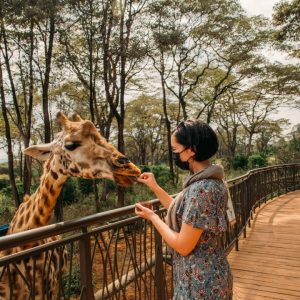
Not even close. Last Tuesday proved it again. I took Bob and Linda—this lovely couple from Portland—to the Giraffe Centre. Linda completely lost it when Betty (one of the giraffes) licked her hand. Started crying right there on the platform. “I didn’t expect to feel this connected to an animal,” she told me afterward. Bob couldn’t stop grinning, just stood there shaking his head in disbelief.
That’s the Nairobi effect. Happens constantly.

About Me and Why This Guide Matters
So yeah, James Mwangi here. Twelve years with Pega Tours. Before that, I guided safaris everywhere—Amboseli, Samburu, Tsavo, the Mara. Seen leopards hunting at first light, helped stuck tourists in the middle of nowhere, learned what separates incredible trips from mediocre ones.
These days I focus on Nairobi specifically. Not because other places aren’t amazing (the Mara is spectacular, no question), but this city deserves someone who’ll actually defend it and help people see beyond the reputation.
When American or European clients tell me they’re “just passing through” Nairobi, I take it personally. By the time they’re leaving, most of them are texting me photos saying things like “James, we extended our stay. You were completely right.”
So if you’re wondering about things to do in Nairobi, think of me as your local friend. The one who knows which restaurant has the best nyama choma, when you should visit the national park, which souvenirs are genuine versus made-in-China knockoffs.
Nairobi Actually Matters (Stop Treating It Like a Layover)
Here’s what bugs me. Most itineraries look identical: “Land in Nairobi. Rush to Maasai Mara. Maybe hit Amboseli. Fly home from Nairobi.”
The city becomes this annoying obstacle between airport and safari.
Big mistake. Huge.
Nairobi sits at 1,795 meters elevation. That gives us spring weather all year. Dubai’s melting at 45°C, London’s freezing through winter, and we’re here enjoying 22-26°C pretty much constantly. Perfect for exploring.
But weather isn’t the main thing. It’s the contradictions that get me.
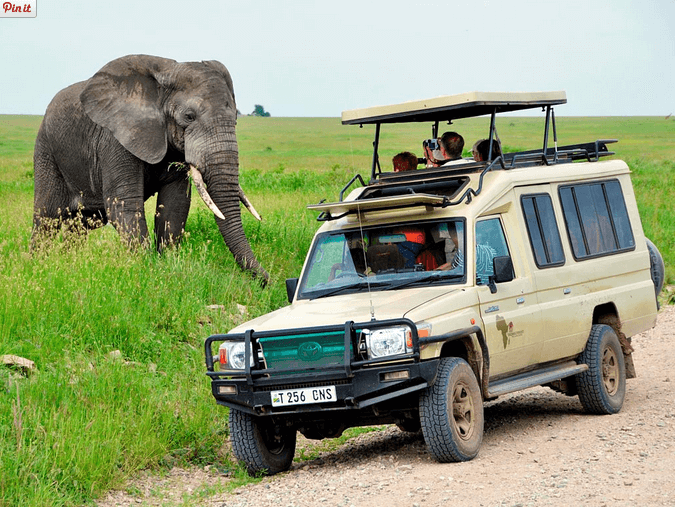
Where else can you photograph lions with skyscrapers behind them? Where else means “going to the forest” is ten minutes from downtown? Where else do giraffes just show up at breakfast like it’s completely normal?
My colleague Peter says Nairobi is what happens when someone forgets cities and nature should be separate. He’s right, actually. We built around our wildlife instead of destroying it.
The Giraffe Centre Makes Everyone Act Like Kids
Every tour I run includes this place. Karen suburb, about 30 minutes from downtown depending on traffic. The Giraffe Centre isn’t just touristy (though it definitely is)—it actually works on people. Every time.
Started in 1979 when Jock and Betty Leslie-Melville rescued an orphaned Rothschild’s giraffe they named Daisy. These giraffes were critically endangered. Still are, though conservation efforts have helped.
Here’s how it goes: You walk onto this raised platform that puts you eye-level with giraffes. They’ve got these massive purple tongues—eighteen inches long, prehensile—and they use them to grab food pellets from your hand. Or between your lips if you’re feeling adventurous.
Last month I brought Friedrich, this very serious German businessman, to the Centre. He looked uncomfortable with the whole concept initially. Then Salma (one of the giraffes) leaned in close, and Friedrich’s entire expression changed. He laughed—genuinely surprised—and said, “My daughter will never believe this.”
That’s what the Giraffe Centre does. It’s not really about feeding animals. It’s that moment when adult reserve disappears and you’re just connecting with another living creature. Sounds cheesy, probably. But I’ve watched it transform hundreds of skeptical visitors.
What you need to know: Opens at 9 AM. I always get clients there at opening because by 11:30 the tour buses arrive and chaos begins. Costs about $10 for international visitors. Takes roughly an hour, though people usually stay longer.
Nairobi National Park Is Actually Insane
Okay, so. Nairobi National Park sits seven kilometers from our city center. Seven kilometers. You can leave a business meeting downtown, drive fifteen minutes (thirty if traffic’s bad), and suddenly you’re watching rhinos with skyscrapers in the background.
People struggle with this concept until they actually see it. Had these American clients literally do a double-take. “Wait James, those are REAL lions? Right here? Next to the city?”
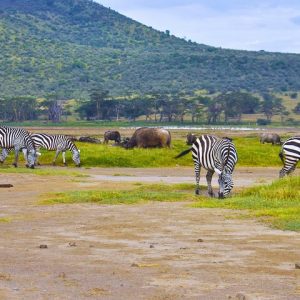
Yep. Real lions. Real rhinos. Real buffaloes. The park covers 117 square kilometers—savanna, scattered acacia trees, wetlands. Over 100 mammal species, 400 bird species.
Back in the 1940s, Mervyn Cowie (born in Nairobi) realized urban expansion would destroy everything. Fought for years to establish the park. Developers thought he was completely crazy “wasting” valuable land on animals.
Thank God he won.
I take clients at 6 AM. Yeah, that early. Dawn game drives show behaviors you’ll miss later. Lions are still active, hyenas finishing their night hunts, light is incredible—soft and golden, perfect for photos. Plus you avoid heat and crowds.
Two weeks back I had Charles and Emma (British couple, celebrating thirty years married) on a morning drive. Found a lion pride within twenty minutes. Four females, seven cubs, playing near a waterhole. Emma grabbed my arm, whispered, “This beats any restaurant reservation ever.”
She’s absolutely right too.
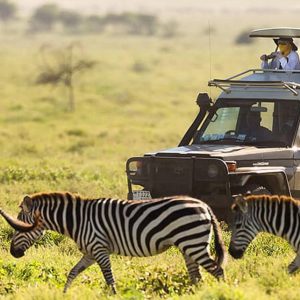
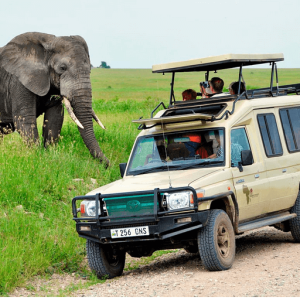
Important stuff: No walking except designated areas. You need a vehicle. Don’t have one? Companies like Pega Tours provide safari vehicles with pop-up roofs for viewing. Park fees run about $43 for non-residents. Early morning (6-9 AM) gives best wildlife viewing. Afternoon (3-6 PM) is second best.
And please—bring binoculars and a decent camera. Phone cameras work but struggle with distance shots.
The Elephant Orphanage Destroys Me Every Time
Being honest here. The elephant orphanage makes me emotional. Every single visit.
David Sheldrick Wildlife Trust rescues orphaned elephants—mostly poaching victims or human-wildlife conflict casualties—and rehabilitates them for eventual wild release. World’s most successful orphan elephant program.
Public viewing runs 11 AM to noon daily. Baby elephants come RUNNING out—ears flapping, trunks swinging everywhere—for milk bottles. Each elephant has a dedicated keeper who shares their rescue story.
There’s this one elephant, Nabulu. Found next to her dead mother in Tsavo, dehydrated, traumatized, barely alive. Listening to her story, watching her now—thriving and playful—it gets you. Especially knowing she’ll eventually rejoin wild herds, completing this incredible rescue-to-freedom circle.
Last week the Johnsons (Canadian family, three kids) visited. The youngest, maybe seven, asked her mom, “Can we help the elephants?” They ended up adopting an elephant named Roho through the fostering program. Monthly updates will keep them connected long after Kenya.
That’s proper conservation—creating emotional investment that translates into lasting support.
Key details: Located inside Nairobi National Park. You can combine visits (game drive then orphanage). Arrive by 10:45 to get good viewing spots. Consider fostering an elephant—$50 yearly, directly funds their care.
Karen Blixen Museum (The Complicated History Spot)
This museum gives me mixed feelings. As a Kenyan, I’m very aware of colonialism’s messy legacy. As a guide, I recognize the museum’s cultural and historical importance.
Karen Blixen—Danish author, wrote “Out of Africa”—lived here 1914-1931, running a coffee farm. Her memoir romanticizes colonial Kenya, which… it’s complicated. That era involved exploitation and displacement the book conveniently ignores.
That said, the museum is beautifully preserved. Walking through her farmhouse, you see period furniture, photographs, personal items. Gardens are stunning—manicured lawns, flowering bushes, Ngong Hills rising dramatically behind.
What I do with clients is provide context. Yes, we’ll appreciate the house’s beauty and Blixen’s literary achievement. But we’ll also discuss what life was like for Africans during that period. The Squatters’ Rights controversy. The Mau Mau rebellion. History needs examining, not just admiring.
Most European and American visitors appreciate this balanced approach. Swiss couple told me once: “We wanted to see the famous house, but understanding the full story makes it meaningful instead of just pretty.”
Practical info: Karen suburb (yes, named after her). Entry about $10. Combine with Giraffe Centre for efficient half-day. Guided tours available, though I usually accompany clients myself for that contextual discussion.
Bomas of Kenya Makes Culture Tangible
Kenya has over forty ethnic groups. Each with distinct languages, traditions, customs, architecture. Explaining this diversity through words doesn’t really work. You need to experience it directly.
That’s Bomas of Kenya.
“Boma” means homestead in Swahili. The site features traditional homesteads from various Kenyan communities—Maasai manyattas, Kikuyu compounds, coastal Swahili houses, Luo homesteads. You walk through examining construction techniques, learning about daily life, understanding how geography shaped culture.
The afternoon performances though—that’s the real draw.
Traditional dancers representing different communities perform high-energy routines with acrobatic moves. Drumming is powerful, visceral, vibrates through your chest. Maasai warriors do their famous jumping dance. Coastal dancers perform Chakacha. Samburu women showcase beaded jewelry while dancing.
I’ve probably watched these performances two hundred times. Still captivating.
What makes it authentic? These aren’t actors playing roles. They’re cultural ambassadors from their communities, sharing inherited traditions. After performances they answer questions, explain symbolism, pose for photos. That interaction transforms entertainment into education.
Essential details: About 10 kilometers from city center. Performances usually start 2:30 PM, run about an hour, followed by homestead tours. Entry approximately $15 for non-residents. Photography encouraged during performances.
Where Kenyans Actually Eat (Not Tourist Spots)
Here’s something: Nairobi’s dining scene rivals major global cities. Everything from Michelin-quality restaurants to street food stalls serving four-dollar meals that’ll blow your mind.
Most tourists hit Carnivore Restaurant—famous for all-you-can-eat meat including exotic game. Fun, sure. But not where Kenyans actually eat.
Want to know where I take my family on Sundays? K’Osewe Ranalo Foods in South B. Traditional Luo cuisine—fish stew, ugali, sukuma wiki. Packed with locals, costs maybe five dollars per person, food is extraordinary. Or Mama Oliech, also South B, famous for fried tilapia that’s crispy outside, tender inside, perfect kachumbari salad.
For nyama choma (grilled meat—our national obsession), forget tourist spots. Try Njugu’s in Lavington or Kuku Grills in Karen. They grill over charcoal, season simply with salt, serve with ugali and kachumbari. Watch the flames, smell the smoke, taste meat perfected over generations.
Coffee enthusiasts (and you should become one in Kenya)—skip chains, visit Dormans or ArtCaffé. Kenyan coffee is world-class. Bright acidity, berry notes, complex flavors. We export our best beans (economic reality), but enough stays that you can experience exceptional coffee here.
My personal picks? Java House for reliable Western breakfast, About Thyme for upscale Karen lunch, Talisman for romantic dinner with Mediterranean-African fusion. But honestly, most authentic experiences happen at local joints where menus are handwritten and nobody speaks English.
Real talk: Kenyans eat late. Lunch runs 1-3 PM. Dinner starts 7:30-8 PM. Restaurants get busy during these windows. Book ahead for popular spots, especially weekends.
Karura Forest Saves My Sanity
Cities wear me down sometimes. Noise, traffic, constant motion. When that happens, I drive to Karura Forest.
Karura covers over 1,000 hectares of indigenous forest inside the city. Not near it—IN it. You can see apartment buildings from certain trails. Yet inside you’re surrounded by towering trees, listening to streams, watching monkeys overhead, breathing air that feels genuinely clean.
Multiple trails throughout. Some paved for cycling, others natural paths for hiking. Waterfalls, caves (including Mau Mau caves used during independence struggles), spectacular canopy walk fifteen meters up in the treetops.
I bring clients here for different reasons. Joggers love morning trails. Photographers obsess over waterfalls and diverse birdlife (over 200 species recorded). Families enjoy picnicking in designated areas. Everyone appreciates the peace.
Interesting thing: Karura Forest almost got destroyed in the 1990s. Developers wanted the land for housing estates. Professor Wangari Maathai—Kenya’s Nobel Peace Prize winner—led protests to save it. She got beaten, arrested, threatened. She persisted. Now the forest stands protected, testament to what activism achieves.
Walking these trails knowing that history adds serious weight to the experience.
Essential info: Entry free for Kenyan residents, about $5 for non-residents. Forest is safe—guards patrol throughout. Stick to marked trails. Bring water, comfortable shoes, maybe binoculars for birdwatching. Early morning (6-9 AM) offers best wildlife viewing and coolest temperatures.
Shopping the Maasai Market (Navigating Authenticity)
Tourists always ask: “James, where should I buy souvenirs?”
Maasai Market. Always Maasai Market.
Here’s the thing though—it’s not one fixed location. Rotates through different venues throughout the week. Tuesdays at Village Market, Fridays at Yaya Centre, Sundays near High Ridge. Rotating schedule prevents any single area from becoming oversaturated.
The market explodes with color. Beaded Maasai jewelry—intricate necklaces, bracelets, earrings in bold reds, blues, oranges. Hand-carved wooden sculptures from tiny elephants to life-sized giraffes. Soapstone carvings from Kisii (western Kenya specialty). Kikoys and kangas (traditional colorful cloth). Leather bags, sandals, belts. Batik fabrics. Musical instruments.
Quality varies dramatically though. Some vendors sell genuine handcrafted items. Others peddle factory-made “Kenyan” souvenirs actually imported from China. I teach clients to distinguish—examine stitching, check material quality, ask origin questions.
Bargaining is expected. Start at 40-50% of asking price. Vendor counter-offers. You meet somewhere middle. It’s part of the experience, this good-natured negotiation where both parties smile and occasionally exaggerate for effect.
My advice? Decide beforehand what you’ll spend. Stick to that budget. Don’t buy from the first vendor—walk around, compare quality and prices. Bring cash—most vendors don’t accept cards.
Last thing: Be respectful. These are real artisans supporting families. Haggling doesn’t mean insulting their work or offering ridiculous lowball prices. Fair negotiation benefits everyone.
Important note: Watch your belongings. Pickpockets operate in crowded markets. Keep bags closed and in front of you. Don’t flash large cash amounts.
For the Adrenaline Seekers
Not everyone wants gentle nature walks and museums. Some clients want adrenaline.
For them, Ngong Hills hike. Seven hills stretching southwest of Nairobi, offering panoramic views of Rift Valley on one side and city on the other. Hike isn’t technically difficult but requires decent fitness—you’re gaining elevation across several hours.
What makes it special? Clear days, you can see Mount Kilimanjaro. Wind turbines dot the landscape (Kenya’s investing heavily in renewable energy). Maasai community still grazes cattle here, so you’ll encounter traditional life alongside hiking tourists.
Safety consideration: Go with a group, hire a local guide. Solo hiking isn’t recommended due to occasional security incidents. Our company (and others) organize guided hikes including transport, guide fees, lunch.
Something completely different? Try zip-lining at Kereita Forest. Multiple lines through forest canopy, including Kenya’s longest zip-line at 400 meters. Combines adventure with stunning forest scenery.
Rock climbing enthusiasts should check Hell’s Gate National Park—about ninety minutes from Nairobi. You can climb, cycle, walk among wildlife (no predators, so walking’s safe). Landscape is dramatic—towering cliffs, gorges, volcanic rock formations.
Nairobi’s Art Scene Is Exploding
Kenya’s contemporary art scene is exploding currently. Nairobi sits at the center.
Nairobi National Museum showcases everything from paleontological discoveries (Kenya is humanity’s birthplace) to contemporary art exhibitions. Great Hall of Mammals features impressive taxidermy displays. History galleries trace Kenya’s journey from colonialism through independence to modern nationhood.
What I love? The museum doesn’t shy from difficult history. They address colonialism’s impact, independence struggle, ethnic tensions. Good museums educate instead of just displaying pretty objects.
For contemporary art, visit Nairobi Gallery in the former PC’s office building. Rotating exhibitions feature East African artists addressing urbanization, identity, environment, politics. Kenyan artists are bold, unapologetic, using art as social commentary.
Circle Art Gallery in Lavington represents established and emerging artists. RaMoMa (Rahimtulla Museum of Modern Art) focuses on innovation and experimentation. Both worth visiting if you appreciate contemporary African art.
Saw this exhibition recently featuring photography documenting Nairobi’s matatu culture—wildly decorated public minibuses blasting music, covered in pop culture imagery. Artist captured that chaotic energy perfectly, making viewers see familiar transportation through fresh eyes.
Practical Reality (Stuff Guidebooks Skip)
Time for practical reality. Stuff guidebooks don’t mention but you actually need.
Traffic: Nairobi’s traffic is notorious. Rush hours (7-9 AM, 5-7 PM) turn ten-minute drives into hour-long ordeals. Plan accordingly. Morning activity? Leave earlier than seems necessary. Uber and Bolt work excellently here—use them instead of negotiating taxi rates.
Safety: Not going to sugarcoat this. Nairobi has crime. Petty theft mostly—pickpockets, bag snatchers. Violent crime exists but rarely affects tourists in typical tourist areas. Common sense goes far: Don’t flash expensive jewelry or cameras. Keep phones secure. Avoid walking alone at night in unfamiliar neighborhoods. Trust your instincts.
Downtown CBD is particularly problematic after dark. Need to go there? Go during daylight, stay alert.
Money: Kenya uses Kenyan Shillings (KES). Current exchange hovers around 130 KES to 1 USD (fluctuates obviously). ATMs everywhere, generally reliable. Most hotels and upscale restaurants accept credit cards. Markets and street vendors need cash.
M-Pesa is Kenya’s mobile money revolution. Most locals use it for everything. As a tourist you probably won’t set it up, but worth understanding because you’ll see it everywhere.
Language: English and Swahili are official languages. Most people you’ll interact with speak excellent English. Learning basic Swahili helps: jambo (hello), asante (thank you), tafadhali (please), hakuna matata (no problem—yes, actually real, not just Lion King).
Climate: Nairobi’s weather is remarkably consistent. Daytime temperatures range 22-26°C year-round. Mornings and evenings cooler (15-18°C). Long rains March-May, short rains October-November. During rainy season expect afternoon showers—mornings usually stay clear.
Pack layers. Mornings start cool, afternoons warm up, evenings cool down again. Comfortable walking shoes essential. Sunscreen and sunglasses (equatorial sun is intense). Light rain jacket during rainy seasons.
Why Work With Local Companies
Look, I’m obviously biased—I work for Pega Tours. But hear me out on why local companies make sense, especially for international visitors.
First, we know things you can’t Google. Which restaurants serve authentic food versus tourist versions. Which routes avoid traffic. Which guides are knowledgeable versus just reading scripts. When to visit attractions for optimal experiences.
Second, logistics. Kenya requires coordination—park fees, entrance tickets, transportation, meals. When we handle everything, you relax and enjoy instead of constantly troubleshooting.
Third, safety. We know which areas to avoid, which routes are safe, how to navigate problems if they arise. Our drivers know roads, our guides know protocols.
Fourth—matters to me personally—supporting local businesses directly benefits Kenyan families and communities. Your money stays in Kenya instead of flowing to international corporations.
At Pega Tours specifically, we pride ourselves on personalization. We don’t do cookie-cutter itineraries. Tell us your interests, budget, timeframe—we build something unique. Want more wildlife? Done. Prefer cultural experiences? Perfect. Need luxury accommodation? We’ve got partnerships. Want budget-friendly options? We’ll make it work.
We’re also completely transparent about costs. No hidden fees, no surprise charges. What we quote is what you pay.
My Final Thoughts
Started this talking about magic. Ending there too.
Nairobi isn’t conventionally beautiful. It’s chaotic, challenging, sometimes frustrating. Traffic jams, poverty alongside wealth, rapid development straining infrastructure. These realities exist.
But underneath all that, something extraordinary lives here. A city that refuses to choose between progress and nature. Where giraffes and CEOs coexist. Where traditions persist despite modernization. Where problems exist but hope does too.
The things to do in Nairobi I’ve shared aren’t just activities. They’re windows into what makes Kenya special. Each experience—feeding giraffes, watching baby elephants, hiking forest trails, negotiating market prices, tasting nyama choma—reveals something about this country’s soul.
Bob and Linda (that American couple I mentioned at the start)? They emailed me last week. Planning another Kenya trip, bringing their adult children this time. “We want them to meet the Nairobi you showed us,” Linda wrote. “The real one, not the postcard version.”
That’s what I hope for every visitor. See past stereotypes. Engage deeply. Ask questions. Try local food. Listen to stories. Support local businesses. Leave with understanding, not just photographs.
And when people ask about Kenya, don’t just talk about Maasai Mara (though it’s spectacular). Talk about the capital where urban and wild collide. Where a city somehow made space for nature instead of erasing it. Where contradictions create beauty.
Talk about Nairobi.
If you’re planning your Kenya adventure and want someone who genuinely loves this city showing you around, reach out to us at Pega Tours. Can’t promise perfection—no place is perfect. But I can promise authenticity, expertise, and the kind of local knowledge that transforms good trips into unforgettable ones.
Frequently Asked Questions About Things to Do in Nairobi
How many days should I spend in Nairobi?
Minimum 3-4 days to hit major attractions without rushing. A week if you want to really soak in the vibe and take day trips. Many people spend just one day here en route to other parks—they’re missing what makes this city special.
Is Nairobi actually safe for tourists?
Yes, with reasonable precautions. Stick to tourist areas during daytime, use registered taxis at night, don’t flash valuables, stay aware of surroundings. Most visitors have zero problems. Downtown CBD gets sketchy after dark—avoid that area at night.
What’s the best area to stay in Nairobi?
Depends on priorities. Westlands for nightlife and central access. Karen for peace and proximity to attractions like Giraffe Centre. Lavington for residential feel with good restaurants. I personally prefer Karen—quieter, more manageable.
Can I actually see the Big Five in Nairobi National Park?
Almost. You’ll see four—rhino, buffalo, lion, leopard. Elephants don’t live in the park (too small for their migration patterns). But honestly, seeing rhinos with skyscrapers in the background is worth the visit alone.
What should I pack for Nairobi?
Layers! Mornings cool, afternoons warm, evenings cool again. Comfortable walking shoes essential. Sunscreen and sunglasses (equatorial sun is intense). Light rain jacket during rainy seasons. Modest clothing for cultural sites. Good camera—you’ll want it.
Are credit cards widely accepted in Nairobi?
In hotels, restaurants, malls—yes. Many markets, matatus, small vendors—cash only. I usually carry about 5,000-10,000 KES in cash for daily expenses, use cards for bigger purchases.
What’s the tipping culture like?
Tipping isn’t mandatory but appreciated. 10% is standard in restaurants if service charge isn’t included. Tip safari drivers and guides around $10-15 per day. For other services, small tip for good service is nice but not expected.
When’s the best time to visit Nairobi for wildlife viewing?
Dry seasons (January-March and July-October) are ideal for wildlife viewing in the national park. Animals concentrate around water sources, making them easier to spot. Weather’s also more predictable during these periods.
James Mwangi has worked in Kenya’s tourism industry for 17 years. Currently serves as Senior Safari Consultant at Pega Tours, specializing in Nairobi experiences and custom safari itineraries. Lives in Lavington with his family and remains passionate about showcasing Kenya’s beauty while supporting sustainable, community-focused tourism.


Comment (0)