
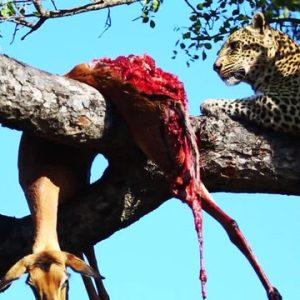
Kruger National Park changed everything I thought I knew about wildlife. Honestly, before my first visit, I figured safaris were overrated—just expensive drives looking for animals that probably hide from tourists anyway. Boy, was I wrong. My second morning there, a leopard casually walked past our jeep carrying a freshly killed impala. I literally forgot to breathe. My hands were shaking so badly I missed the shot entirely. That’s Kruger National Park for you—it doesn’t care about your expectations or your camera settings. It just delivers raw, unfiltered Africa in your face.
What makes Kruger National Park different from other wildlife destinations isn’t just the Big Five or the massive size. It’s how the place feels—like you’re genuinely stepping into another world where humans are visitors, not rulers. My guide told me something that stuck: “The animals here aren’t performing. They’re living. We’re just lucky enough to watch.” That authenticity hits differently.
About Kruger National Park
Let’s get some context on this place. When I say Kruger is massive, I mean MASSIVE—2 million hectares. To put that in perspective, you could fit the entire country of Israel inside these borders. Or Wales. The park hugs South Africa’s northeastern edge, stretching along the Mozambique and Zimbabwe borders.
The history is pretty cool too. President Paul Kruger established the Sabie Game Reserve way back in 1898. Imagine having that much vision—protecting wildlife when most people were still hunting everything that moved. It became South Africa’s first official national park in 1926, and we’ve been reaping the benefits of that decision for nearly a century now.
Here’s what I really appreciate about Kruger: it welcomes everyone. Seriously. I’ve met budget backpackers sharing incredible sightings with honeymooners staying at $2000-a-night lodges. The park has solid infrastructure—paved roads, working toilets, places to buy supplies—but it never feels artificial. You’re still in the bush. Lions still cross roads whenever they feel like it. Elephants still have absolute right of way.
Why Visit Kruger National Park?
Africa’s Ultimate Big Five Safari
Look, we all know what we’re really here for. Lion, leopard, elephant, buffalo, rhino. The Big Five. That’s the checklist everyone carries, whether they admit it or not. And Kruger delivers on this better than almost anywhere else in Africa.
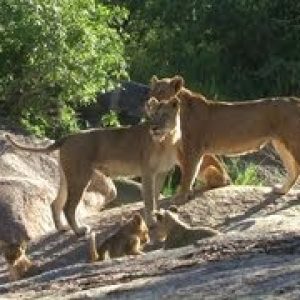
The lion prides here don’t mess around. Last year, my friend Jake (complete safari virgin) watched a pride take down a zebra at sunset. He called me that night still processing what he’d witnessed. “I felt like I shouldn’t have been allowed to see that,” he said. “Like I was intruding on something sacred.” That’s the kind of experience we’re talking about.
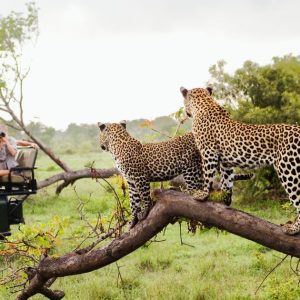
Leopards remain the holy grail—elusive, secretive, absolutely gorgeous. They blend into trees so perfectly you’ll drive past them ten times before your guide points out those distinctive spots. But when you finally lock eyes with one? Time stops.
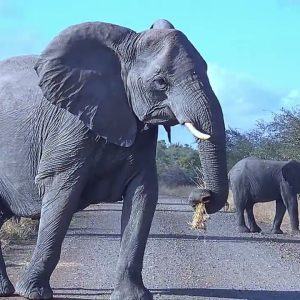
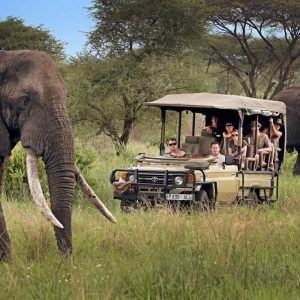
Elephants are everywhere, which sounds boring until you watch a herd interact. Mothers constantly touching their babies with their trunks. Older siblings playing bodyguard. Grandmothers leading everyone to water with this quiet authority that’s somehow both gentle and commanding.
Rhinos, both black and white, roam throughout the park. Black rhinos are notoriously grumpy and way harder to spot. Buffalo travel in these massive herds that can number several hundred strong. They look docile until you remember they’re responsible for more hunter deaths than any other African animal.
Incredible Biodiversity & Conservation
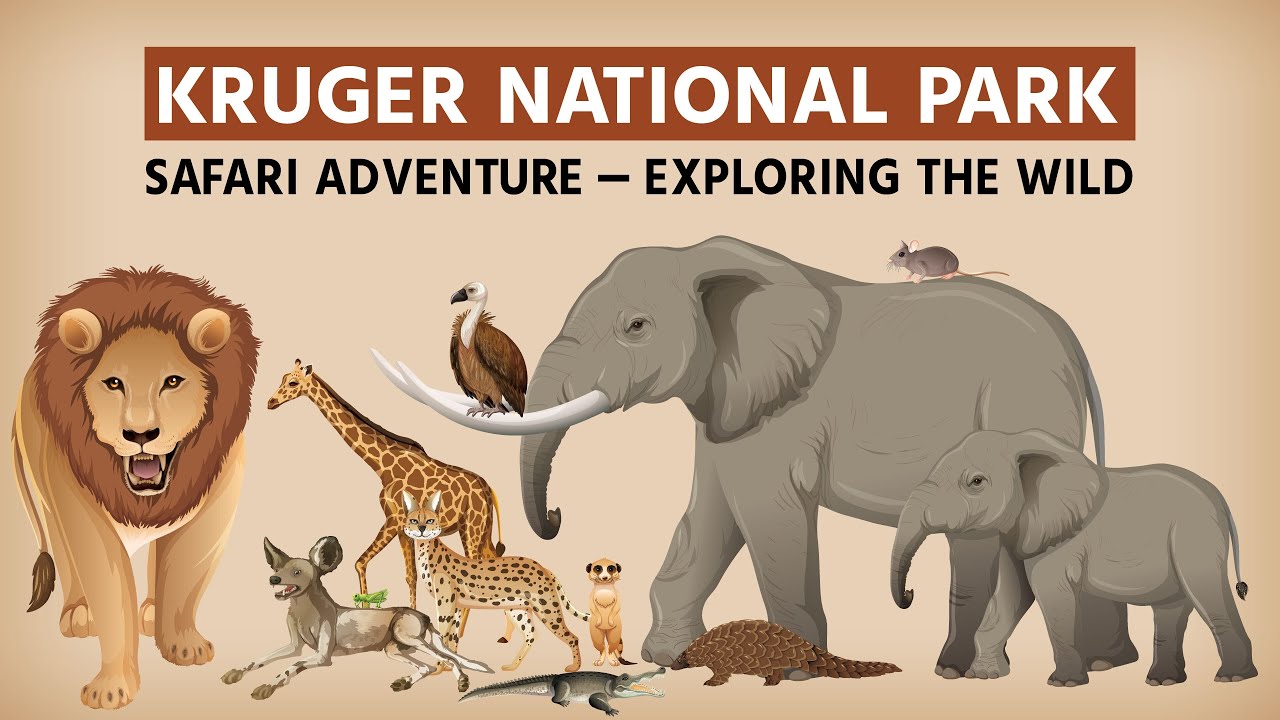
The Big Five get all the attention, but Kruger hosts 147 total mammal species. Over 500 bird types. 114 reptile species. These numbers felt abstract until I spent a week there and realized I was seeing completely different animals every single day.
One morning you might spot endangered African wild dogs (seriously rare—maybe 450 individuals left in South Africa). Next afternoon, a cheetah teaching her cubs to hunt. Evening game drive reveals a massive python trying to digest something unfortunate. The diversity is genuinely mind-blowing.
Conservation work here deserves massive props. Rangers risk everything fighting poachers who want rhino horns and elephant tusks. Your entrance fees fund anti-poaching units, veterinary care, ecosystem research. You’re not just sightseeing—you’re actively supporting wildlife protection.
Cultural & Archaeological Heritage
Most people miss this entirely: Kruger sits on land humans have occupied for millions of years. Not thousands—millions. The park contains ancient rock art, archaeological treasures like Thulamela ruins, evidence of Iron Age settlements. Communities thrived here before pyramids existed.
Some rest camps offer heritage walks exploring these sites. Walking through 1500-year-old ruins while surrounded by modern wildlife creates this surreal feeling. You’re simultaneously experiencing deep history and timeless nature. It’s honestly incredible.
Wildlife in Kruger National Park
Alright, let’s break down who actually lives here:
The Big Five Animals:
- African Lion (kings with attitude problems)
- African Elephant (surprisingly gentle despite weighing 6 tons)
- Cape Buffalo (way more dangerous than they look)
- Leopard (gorgeous, deadly, practically invisible)
- Black & White Rhinoceros (basically dinosaurs that survived)
Other Amazing Wildlife:
- Cheetah, African wild dog (spotting these is winning the lottery), spotted hyena
- Giraffe, zebra, wildebeest (the classic African crew)
- Hippo, crocodile (never, ever trust calm water)
- Greater kudu, impala, waterbuck
- Warthog (entertaining to watch run), baboon, vervet monkey
For Bird Enthusiasts: Over 500 bird species means every tree is potentially hosting something incredible. Martial eagles circling overhead, lilac-breasted rollers that look like flying rainbows, massive ground hornbills stalking around like tiny velociraptors. Wet season (October-March) brings migratory birds, making birding absolutely exceptional.
Kruger National Park Regions & Game Viewing Areas
The park divides into three main regions, each offering different experiences:
Southern Region (Crocodile Bridge to Lower Sabie): Closest access from Johannesburg. Open grasslands make spotting big cats and herbivore herds much easier. Wildlife density stays consistently high throughout the year. First-timers usually start here for good reason.
Central Region (Satara to Olifants): Predator central. The mixed grassland-bushveld landscape creates perfect hunting conditions. Lions and leopards absolutely thrive here. Big cat photographers camp out in this section religiously.
Northern Region (Olifants to Pafuri): More remote, fewer crowds, honestly more peaceful. Mopane woodlands attract enormous elephant herds. Your chances of spotting rare antelope like roan and sable increase dramatically. Bird diversity explodes up here too.
Best Time to Visit Kruger National Park
Dry Season (April–September) – Best Wildlife Viewing
Winter months offer peak conditions for game viewing. Vegetation dies back, water becomes scarce, forcing animals to congregate at remaining waterholes. Simple equation: less vegetation + limited water = easier spotting.
Weather stays comfortable too—cool mornings requiring jackets, warm midday, cool evenings, almost zero rain. Malaria risk drops significantly, which definitely helps you sleep better.
The Good: Excellent visibility, concentrated wildlife, comfortable temps, hardly any mosquitoes
The Bad: Everyone knows this—expect crowds and higher prices everywhere
Green Season (October–March) – Scenic & Fewer Crowds
Summer completely transforms the landscape into lush green paradise. Afternoon thunderstorms provide daily drama. This is baby season—tiny elephants, fluffy lion cubs, wobbly-legged impalas everywhere.
Birdwatching becomes phenomenal. Migratory species arrive, breeding plumage appears, suddenly you’re seeing birds that won’t be here in two months.
The Good: Gorgeous scenery, baby animals galore, cheaper rates, way fewer tourists, amazing birding
The Bad: Thick vegetation hides animals, serious heat (mid-30s Celsius), need malaria pills
| Month | Wildlife Viewing | Crowd Level | Weather | Best For |
|---|---|---|---|---|
| Apr-Jun | Excellent | Moderate | Mild | First-timers |
| Jul-Sep | Outstanding | High | Cool/Dry | Photographers |
| Oct-Dec | Good | Low | Hot/Wet | Budget travelers |
| Jan-Mar | Moderate | Low | Hot/Rainy | Bird lovers |
Kruger National Park Safari Options
Classic Game Drive Safaris
Self-driving gives you complete freedom. Want to spend two hours watching one waterhole? Do it. Spot something interesting and want to wait? Nobody’s rushing you. Just follow the rules: 50 km/h on tar, 40 km/h on gravel. Speed limits are strictly enforced.
Fully Guided Safaris
Professional guides bring decades of experience to your safari. They know animal behavior patterns intimately—where that leopard usually rests at noon, which waterhole elephants prefer at dusk. Their trained eyes catch subtle movements you’d completely miss. Plus, their knowledge brings the ecosystem alive.
Self-Drive Safari Experience
This hybrid approach works beautifully for many visitors. Rent a vehicle, explore independently during daylight, return to rest camp comforts each evening. You get freedom without sacrificing hot showers and comfortable beds. Perfect balance.
Luxury & Private Safaris
Ready to splurge? Private lodges bordering Kruger National Park offer experiences that redefine safari. Gourmet meals, spa treatments, exclusive game drives going off-road for intimate animal encounters. These lodges operate across massive private concessions where normal restrictions don’t apply.
Kruger National Park Safari Packages
Short Safaris (1-3 Days): Tight schedule? These condensed trips focus on wildlife-rich southern sections, maximizing sightings in minimum time. Perfect for combining Kruger National Park with Cape Town or Garden Route adventures.
Extended Safaris (4-7 Days): Real immersion requires time. A week lets you explore multiple regions, dramatically increasing rare species sighting odds. You’ll understand ecosystem rhythms—when animals drink, where they hunt, how weather affects behavior.
Luxury & Honeymoon Safaris: Private lodges create magical romantic experiences. Candlelit dinners under stars, couples’ spa treatments, exclusive drives where it’s just you, your partner, and wilderness. These create lifetime memories.
Flying from Kenya? Pegatours specializes in cross-border safari packages connecting East and Southern Africa’s top wildlife destinations. We handle everything.
Where to Stay in Kruger National Park
Luxury Safari Lodges
Properties like Singita, Lion Sands, and Sabi Sabi aren’t just accommodation—they’re bucket-list experiences. Private plunge pools, world-class cuisine, expert guides. These lodges include meals and drives in their rates. Expensive? Yes. Worth it? Absolutely.
Mid-Range & Bush Lodges
Options like Protea Hotel Kruger Gate or smaller bush lodges balance comfort and affordability perfectly. Proper amenities without luxury pricing. Ideal for travelers preferring longer stays over fancy extras.
Self-Catering Rest Camps
SANParks runs camps throughout Kruger National Park, from massive Skukuza (restaurants, shops, pools) to tiny rustic camps with maybe ten units. Self-catering facilities let you cook your own meals, saving serious money on extended trips.
Entrance Fees & Park Rules
Conservation Fees (2024/2025):
- International adults: R460 daily
- International children: R230 daily
- SADC nationals get discounts
Park Rules (Seriously, Don’t Break These):
- Stay in vehicles except at designated spots (not negotiable)
- Speed limits protect wildlife—they always have priority
- Feeding animals = R3,000 fine
- Gates close at sunset—late arrivals face penalties
- Keep noise down—you’re in their home
How to Get to Kruger National Park
By Air: Fly into Kruger Mpumalanga International Airport (near Nelspruit) or Skukuza Airport inside the park. Regular flights run from Johannesburg and Cape Town.
By Road: About 4-5 hours from Johannesburg on good highways. Self-driving? Get comprehensive insurance. Roads are excellent but wildlife encounters happen.
Safari Tour Transfers: Organized packages typically include airport pickup and drop-off. Removes navigation stress, lets you relax immediately.
Things to Do in Kruger National Park
Game drives dominate, obviously, but Kruger National Park offers more:
- Guided Bush Walks: Walking through African bush with armed rangers is intense. Every sound matters. Every movement registers. You learn tracking, plant identification, bird calls.
- Night Drives: Nocturnal wildlife is completely different. Genets, porcupines, hunting leopards—the bush transforms after dark.
- Photography Safaris: Specialized guides position you for perfect shots. Some camps have photographic hides overlooking waterholes where you can spend hours capturing magic.
- Birdwatching Tours: Expert birders help identify species and behaviors you’d miss otherwise.
Travel Tips for Kruger National Park
What to Pack:
- Neutral clothing (khaki, brown, olive—leave neon home)
- Wide-brimmed hat and quality sunglasses
- Binoculars—absolutely essential
- Camera with telephoto lens (you’ll regret not bringing one)
- Sunscreen and insect repellent (non-negotiable)
- Light layers—mornings start cold, afternoons get hot
Health Considerations:
- Kruger National Park is malaria territory—consult your doctor about prophylaxis
- Drink only bottled water
- Travel insurance covering medical evacuation is smart
Money & Tipping:
- Major camps accept credit cards
- Carry cash for tipping—guides appreciate R50-100 per person daily
- Larger rest camps have ATMs
Kruger National Park vs Other African Safari Parks
Kruger vs Serengeti: Tanzania’s Serengeti is famous for Great Migration spectacle, but Kruger has superior infrastructure and easier access. Both deliver incredible Big Five sightings. Kruger generally costs less.
Kruger vs Masai Mara: Kenya’s Masai Mara shines during migration season (July-October), but Kruger National Park offers consistently excellent year-round viewing. Kruger’s enormous size means escaping crowds is easier.
Why Book a Kruger National Park Safari with Pegatours?
We’ve mastered East African safaris over years, and that expertise translates beautifully to Kruger National Park. Our team designs custom itineraries combining Kenya’s Masai Mara with South Africa’s premier game reserve—imagine experiencing two of Africa’s greatest wildlife destinations in one epic journey.
We handle every detail: international flights, park permits, accommodation, ground transfers, everything. You just show up ready for adventure. Our relationships with quality lodges and experienced guides ensure exceptional value without compromising experience.
FAQs About Kruger National Park
Is Kruger National Park worth visiting?
Absolutely. Wildlife diversity is exceptional, infrastructure makes everything easy, options exist for every budget. Big Five sighting chances are genuinely high.
How many days are enough for Kruger?
Minimum 3-4 days for proper exploration. Full week is ideal—you’ll cover multiple regions, dramatically increasing rare sighting chances.
Is Kruger safe for tourists?
Very safe following park rules. Stay in vehicles, respect wildlife distance, listen to rangers. Park has excellent safety protocols.
Can you see the Big Five in Kruger?
Yes, Kruger ranks among Africa’s best for seeing all Big Five in one trip. Focus on southern and central regions for highest concentrations.
What’s the best month to visit Kruger National Park?
May through September offers optimal conditions—dry weather, clear visibility, animals concentrated at waterholes. July-August is peak season but brings bigger crowds.
Final Thoughts – Your Kruger National Park Safari Awaits
There’s something about African safaris that changes people. Maybe it’s watching lions hunt at dawn. Maybe it’s elephants caring for their young. Maybe it’s simply sitting in silence while the sun sets over endless savanna. Whatever it is, Kruger National Park delivers these moments consistently.
The park works for everyone—solo backpackers, families, honeymooners, photography nuts. Excellent infrastructure and varied accommodation mean your dream safari isn’t some distant fantasy. It’s actually achievable.
Ready to make it happen? Contact Pegatours today. Our team crafts personalized itineraries matching your interests, schedule, and budget. Your African adventure is closer than you think—let’s make it unforgettable.


Comment (0)