
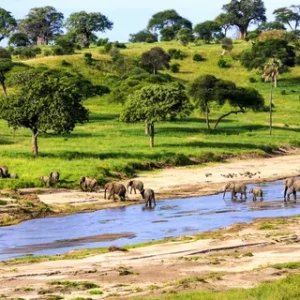
Serengeti National Park stands as Africa’s ultimate safari destination, and honestly, I get why people call it the greatest wildlife show on earth. I’ve watched countless safaris unfold here, and each one tells a different story—wildebeest calves taking their first steps while cheetahs watch from nearby termite mounds, lions coordinating hunts at golden hour, leopards lounging in acacia trees like they own the place (which, let’s face it, they kind of do).
Planning your first Serengeti safari feels overwhelming. Which region should you visit? When’s the best time for the migration? How much should you budget? These questions matter because getting them right transforms a good safari into an unforgettable one.
This guide cuts through the confusion. Whether you’re booking from Nairobi with Pegatours Kenya, combining it with Masai Mara, or planning a standalone Tanzania adventure, you’ll find everything you need right here.
Why Serengeti national park Deserves Its World-Famous Reputation
The Great Migration: Nature’s Greatest Show
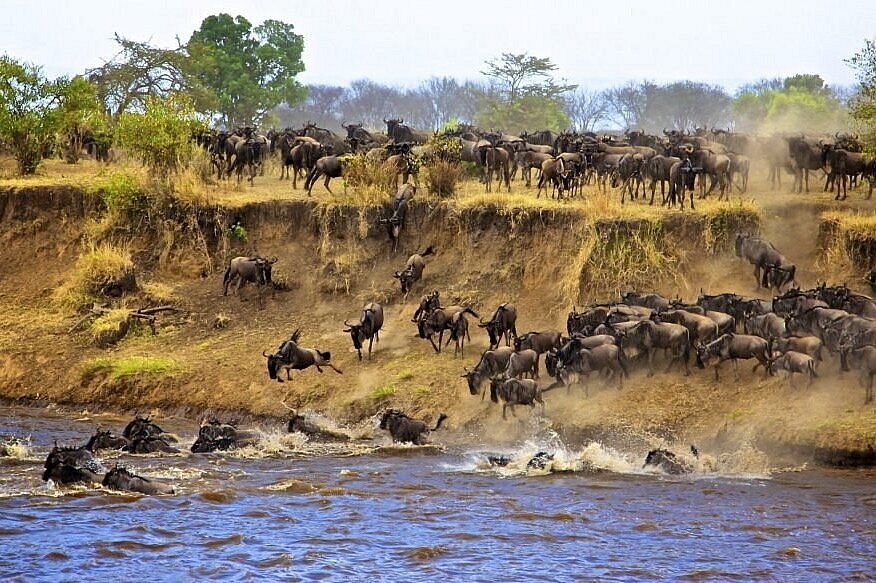
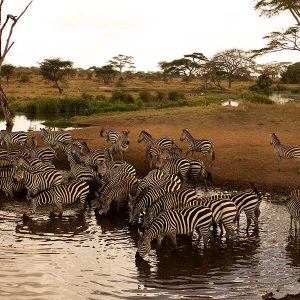
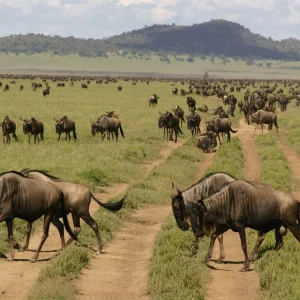
Over 1.5 million wildebeest, 200,000 zebras, and 350,000 gazelles move in an endless cycle across the Serengeti-Mara ecosystem. This isn’t just animals walking around—it’s synchronized chaos. Picture this: thousands of wildebeest gathering at riverbanks for hours, working up courage to plunge into crocodile-infested waters. When one finally goes, hundreds follow in a thundering stampede.
The migration never stops. It’s a year-round spectacle that shifts location with the seasons. January brings the calving season in the southern plains—8,000 newborns daily during peak weeks in February. June through October delivers those iconic river crossings you’ve seen on nature documentaries. Each phase offers different drama, different predator action, different photography opportunities.
Africa’s Highest Lion Population
Serengeti supports roughly 3,000 lions across 300 prides. Walk into any conversation about African wildlife, and Serengeti lions come up. Why? Because they’re everywhere and remarkably habituated to vehicles. You’ll watch pride dynamics unfold—cubs playing, males patrolling territories, coordinated hunts happening right in front of you.
The Serengeti Lion Project has studied these cats since 1966, making them among the world’s most researched predators. That research means guides understand behavior patterns, increasing your chances of witnessing extraordinary moments like territorial disputes or successful hunts.
Beyond the Big Five
Sure, you’ll see lions, leopards, elephants, buffalo, and possibly even the rare black rhino. But Serengeti’s biodiversity goes deeper. Cheetahs hunt across southern plains in higher concentrations than almost anywhere else in Africa. Spotted hyenas demonstrate complex social structures. Over 500 bird species—from massive ostriches to tiny sunbirds—create a birder’s paradise.
Then there are the surprises: caracals with their distinctive ear tufts, servals leaping to catch birds mid-flight, honey badgers fearlessly confronting animals ten times their size. Every game drive brings possibilities.
Where Is Serengeti & How to Get There from Kenya
Serengeti sits in northern Tanzania, directly south of Kenya’s Masai Mara. The two parks form one continuous ecosystem split by an international border—the migration recognizes no boundaries.
From Nairobi to Serengeti:
Your main options are driving (10-12 hours via Namanga border and Arusha) or flying (2-hour charter from Wilson Airport). Most travelers combining Kenya and Tanzania parks choose the overland route to experience Ngorongoro Crater en route.
From Masai Mara to Serengeti:
This 4-6 hour drive through Isebania/Sirari border crossing makes perfect sense during migration season (August-October) when herds span both countries. You experience the full ecosystem without backtracking.
Pegatours handles all border logistics, vehicle documentation, and Tanzania insurance, making cross-border travel smooth and stress-free.
Understanding Serengeti’s Four Main Regions
Knowing which region to visit when completely changes your experience.
Central Serengeti (Seronera Valley)
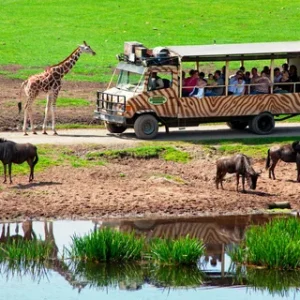
The tourism heart, and for good reason. Year-round wildlife concentrations, accessible roads, and the highest density of big cats make Seronera perfect for first-timers. Kopjes (rocky outcrops) provide natural stages for leopard sightings—you’ll often find them stretched across branches surveying their kingdom.
Southern Serengeti (Ndutu Plains)
December through March, this becomes the migration’s nursery. Pregnant wildebeest flood these short-grass plains because the grass contains calcium and phosphorus essential for milk production. Then comes February—peak calving month when over 8,000 calves drop daily. Predators feast, but synchronized birthing overwhelms them, ensuring most calves survive.
Photography here during calving season? Unmatched. Golden light illuminates newborns standing on wobbly legs while cheetahs, lions, and hyenas prowl nearby. The predator-prey drama plays out continuously.
Western Corridor (Grumeti River)
June and July belong to the western corridor. Herds funnel toward the Grumeti River, facing their first major water obstacle. Giant Nile crocodiles—some exceeding five meters—have waited months for this feast. Crossings here lack the fame of Mara River but deliver equal drama with fewer tourist vehicles.
Northern Serengeti (Mara River)
August through October transforms the north into safari central. The famous Mara River crossings happen here—those scenes where wildebeest plunge off high banks into churning water while crocodiles strike. Crossings aren’t scheduled. Sometimes herds cross multiple times daily, other times you wait hours. Patience pays off.
When Should You Visit Serengeti?
Forget “best time”—there’s only “best time for what you want.”
January-March: Calving Season
Best for predator action and photography. Newborn wildebeest attract every carnivore in the southern plains. Cheetahs thrive here, their speed perfect for hunting vulnerable calves. You’ll see more kills during these months than any other time.
Weather’s pleasant—occasional afternoon showers keep dust down and landscapes lush green. Fewer crowds than peak season mean better vehicle positioning at sightings.
June-July: Western Corridor
The sweet spot between calving season and peak tourist influx. Grumeti crossings deliver drama without Mara River crowds. Accommodation prices sit between low and high season—decent value with excellent wildlife viewing.
August-October: Peak Migration Season
Mara River crossings dominate these months. It’s the Serengeti experience most people dream about, which means premium prices and maximum crowds. Book 6-12 months ahead for preferred accommodation.
Wildlife viewing peaks. Dry conditions concentrate animals around permanent water sources. Every game drive delivers spectacular sightings. If you can only visit once and want guaranteed migration action, these months work.
November-December: Return Journey
Underrated months. Herds begin moving south, short rains green up the plains, and tourist numbers drop significantly. You get excellent wildlife viewing at shoulder-season prices.
April-May: Green Season
Budget travelers, this is your window. Accommodation rates plummet 30-40%, and you practically have the park to yourself. Yes, afternoon rains happen, but they’re brief. Morning game drives stay dry, and the lush landscape creates stunning photography backdrops.
What Animals You’ll Actually See
Expectations vs reality matters. Here’s the honest breakdown:
Almost Guaranteed:
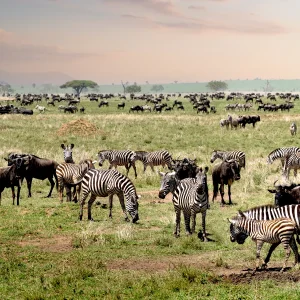
- Wildebeest, zebras, gazelles (millions during migration, thousands year-round)
- Lions (multiple sightings on multi-day safaris)
- Elephants (large herds in northern and western regions)
- Giraffes, buffalos, hippos, various antelope species
- Spotted hyenas
Highly Likely:
- Leopards (especially in Seronera, early morning/late afternoon)
- Cheetahs (southern plains, open grasslands)
- Crocodiles (riverine areas)
Possible with Luck:
- Black rhinos (northern Mara Triangle, extremely rare)
- African wild dogs (small packs, northern Serengeti)
- Caracals, servals (elusive, requires experienced guides)
Bird Lovers: Over 500 species including ostriches, secretary birds, various eagles and vultures, colorful bee-eaters and rollers. Migration months bring millions of Abdim’s storks following the herds.
Safari Activities Beyond Game Drives
Hot Air Balloon Safaris
Float silently over the Serengeti at sunrise—it’s magical. One hour above the plains watching wildlife from a completely different perspective, followed by champagne breakfast in the bush. Costs $500-600 per person but ranks among travelers’ top safari experiences.
Walking Safaris
Available in certain areas and private concessions bordering the park. Armed guides lead small groups, teaching tracking skills and bush survival. You’ll notice things invisible from vehicles—insects, plants, smaller mammals, animal signs. It’s intimate and authentic.
Cultural Visits
Maasai villages surrounding Serengeti offer cultural experiences. Watch traditional jumping dances, learn about cattle-herding lifestyles, see fire-making demonstrations, and purchase handmade beadwork. Choose operators like Pegatours who work directly with communities, ensuring tourism benefits locals fairly.
How Much Does a Serengeti Safari Cost?
Let’s talk real numbers.
Park Fees:
- $70 per adult per day
- Vehicle entry: $40-300 depending on type
- These fees fund conservation—worthwhile investment
Budget Safaris (Camping):
- 3-day Serengeti: $800-1,200 per person
- 5-day Serengeti + Ngorongoro: $1,400-2,000 per person
- Basic accommodation, shared vehicles, group sizes 4-6 people
Mid-Range Safaris (Tented Camps):
- 3-day Serengeti: $1,500-2,200 per person
- 5-day Serengeti + Ngorongoro: $2,500-3,500 per person
- Quality tented camps, comfortable amenities, smaller groups
Luxury Safaris (Premium Lodges):
- 3-day Serengeti: $3,000-5,000+ per person
- 5-day Serengeti + Ngorongoro: $5,500-9,000+ per person
- Five-star lodges, private guides, gourmet meals, premium locations
Money-Saving Tips:
Travel during green season (April-May) for 30-40% savings. Join group safaris instead of private vehicles. Book directly with local operators like Pegatours to avoid international agency markups. Consider accommodation just outside park boundaries—40-50% cheaper with easy access to gates.
Combining multiple parks (Serengeti + Ngorongoro + Masai Mara) offers better value than single-destination packages thanks to shared logistics.
Where to Stay in Serengeti
Luxury Options:
Four Seasons Safari Lodge Serengeti dominates the luxury market—modern amenities, infinity pool overlooking waterholes, family-friendly while maintaining elegance. Singita properties (Sasakwa Lodge, Explore Mobile Camp) define ultra-luxury with price tags matching ($2,000+ per night).
Mid-Range Winners:
Serengeti Kati Kati Camp moves seasonally to follow migration—authentic tented camp experience at reasonable rates ($350-500 per night). Serengeti Serena Safari Lodge offers reliable comfort in central Serengeti with traditional African design and hilltop views.
Budget Friendly:
Public campsites charge $30-50 per person nightly. Safari operators provide camping equipment, cooking staff, and meals. It’s authentic, affordable, and puts you right in the wilderness. Seronera Public Campsite in central Serengeti offers the best location for budget travelers.
Mobile Migration Camps:
These move seasonally, positioning you near peak wildlife action. More expensive than permanent lodges but worth it for exclusive access to migration hotspots. Book 6-12 months ahead for high season.
Pegatours Kenya-Tanzania Combined Safaris
Here’s what makes Pegatours different for Serengeti safaris from Kenya:
Cross-Border Expertise:
We handle Namanga and Isebania border crossings daily. All paperwork, insurance, vehicle documentation sorted while you relax. Our drivers know every immigration officer by name—crossings that stress other travelers become seamless formalities.
Combined Ecosystem Experience:
Our 7-day Kenya-Tanzania safaris let you experience both sides of the migration. Start in Masai Mara, cross into northern Serengeti, explore different regions, compare wildlife viewing styles. You see the complete picture, not just one country’s perspective.
Certified Guides:
TANAPA-licensed guides with 10-15 years field experience. They’re wildlife experts, skilled trackers, and passionate educators. Our guide network shares real-time sightings via radio, maximizing your chances of witnessing extraordinary moments.
Transparent Pricing:
Detailed written quotations breaking down every cost. No surprises, no hidden fees. What we quote is what you pay. Payment flexibility, multiple currencies accepted, clear cancellation policies.
24/7 Support:
Before, during, and after your safari, we’re available. Emergency contact line, on-ground support teams in Kenya and Tanzania, immediate response to any issues, flexible itinerary adjustments if needed.
Practical Safari Tips
What to Pack:
Neutral clothing (khaki, olive, brown), long sleeves for sun protection, warm layer for early mornings, comfortable closed-toe shoes, wide-brimmed hat, sunscreen SPF 50+, insect repellent with DEET, binoculars, camera with telephoto lens (300mm minimum), extra batteries.
Health Essentials:
Serengeti is a malaria zone. Take prophylactic medication as prescribed, use mosquito nets, apply repellent during dawn/dusk. Consult a travel doctor 6-8 weeks before departure. Yellow fever vaccination certificate mandatory. Drink only bottled water.
Photography Settings:
Shutter speed 1/1000+ for action, aperture f/5.6 to f/8 for portraits, ISO 400-800, continuous shooting mode. Best light during golden hour (first/last hour of sunlight). Be patient—best shots come to those who wait.
Safety Rules:
Stay in vehicle during game drives except at designated spots. Never approach or feed wildlife. Maintain respectful distances. Keep voices low. Follow guide instructions immediately. These aren’t suggestions—they’re survival essentials.
Frequently Asked Questions about Serengeti national park
Is Serengeti national park better than Masai Mara?
They’re part of the same ecosystem, just different countries. Serengeti is 10 times larger with more varied landscapes. Masai Mara offers easier access from Nairobi and slightly higher animal density in smaller areas. Best answer? Visit both on a combined safari.
How many days do you need?
Minimum 3 days covers central Serengeti and one migration area. Five days lets you explore multiple regions based on seasonal wildlife movements. Seven days allows combining Serengeti with Ngorongoro Crater and maybe Tarangire.
Do I need a Tanzania visa?
Yes, most nationalities need visas ($50-100). Get it online via Tanzania’s e-visa system before traveling or obtain on arrival at borders/airports. Processing takes 30-60 minutes at borders. Yellow fever certificate required if arriving from Kenya.
What’s the best way to get there from Kenya?
Flying saves time (2-hour charter from Nairobi) but costs $250-450 per person one-way. Overland driving (10-12 hours from Nairobi) costs less and allows Ngorongoro Crater en route. From Masai Mara, the 4-6 hour drive makes perfect sense during migration season.
Your Serengeti Adventure Starts Here
Serengeti isn’t just another safari destination—it’s where you witness nature at its rawest and most beautiful. Where else do you watch a million wildebeest thundering across golden plains? Where else do lion prides hunt cooperatively while leopards lounge in trees overhead?
The best time to visit? Honestly, it’s now. Climate change and increasing human pressures threaten wilderness areas globally. While Serengeti remains well-protected, experiencing it today ensures witnessing one of Earth’s greatest natural wonders in full glory.
Whether you’ve got three days or three weeks, budget camping or luxury lodges in mind, solo adventure or family safari planned—Serengeti delivers.
Ready to make it happen?
Pegatours Kenya brings 15+ years East African safari expertise to your journey. Certified guides, customizable itineraries, transparent pricing, 24/7 support, and seamless Kenya-Tanzania cross-border logistics.
Get Your Free Custom Safari Quote
📞 Call/WhatsApp: +254 722 776 094 | +254 720 139 326
✉️ Email: [email protected]
🌍 Contact Pegatours Now
Your African adventure awaits. Let’s make it extraordinary.


Comment (0)