
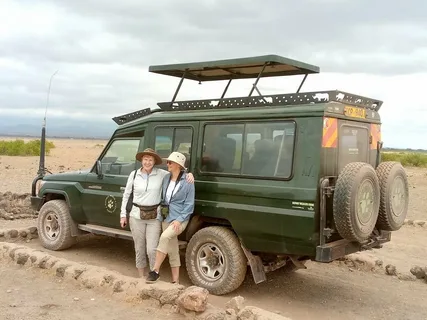
Been living in Kenya for 8 years now, and I can’t count how many times friends ask me about planning Kenya safari from Nairobi. Here’s the honest truth from someone who’s done this route more times than I care to remember.
Nairobi’s your best bet for starting any Kenya safari. Period. I’ve tried other entry points – Mombasa, even overland from Tanzania. Nothing beats the convenience of landing at JKIA and being on game drive within hours.
Why Everyone Gets Nairobi Wrong (But You Won’t)
Most people think Nairobi’s just a stopover. Wrong. The city’s perfectly positioned for Kenya’s best wildlife spots. My German neighbor Heinrich learned this the hard way – spent two extra days flying to remote strips when he could’ve driven from Nairobi in three hours.
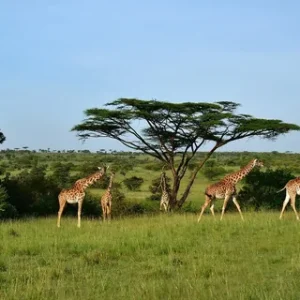
Last week I helped an American family plan their first safari. Dad wanted to fly everywhere, worried about “African roads.” Mom preferred driving to see countryside. They chose driving. Best decision ever – spotted giraffes and zebras during the journey itself.
Where I Actually Take Visitors (Real Talk)
Masai Mara – Yeah, Everyone Goes Here for Good Reasons
Look, Masai Mara gets crowded. Especially July through October during migration madness. But there’s reasons half million people visit annually.
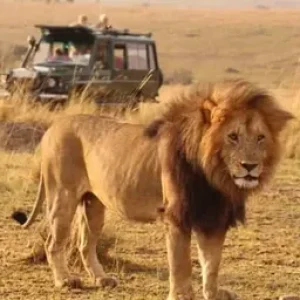
Two months ago, I took my brother-in-law James there. City guy from London, never seen wildlife before. First morning game drive, we found pride of lions with cubs. James nearly dropped his phone trying to film everything. By evening, he’d seen four of the Big Five.
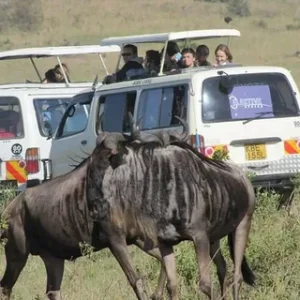
Migration’s spectacular but unpredictable. I’ve seen river crossings with thousands of wildebeest. Other times, animals are kilometers away from crossing points. Don’t base entire trips on migration timing.
Pro tip from local experience – avoid weekend visits if possible. Nairobi residents flood Mara on weekends. Weekdays offer better game viewing with fewer vehicles.
Getting there takes about 4.5 hours by road. Route’s good except during heavy rains. Flying costs triple but saves time if you’re on tight schedule.
Amboseli – My Personal Favorite Spot
Amboseli beats every other park for elephant photography. Mount Kilimanjaro backdrop creates postcard shots, assuming weather cooperates. Clouds hide mountain maybe 60% of time.
Three weeks back, took photography group there. Leader wanted “National Geographic style” elephant shots. Amboseli delivered – massive bull elephant walking directly toward Kilimanjaro’s snow-capped peak. Everyone got shots they’d been dreaming about.
Park’s small enough for day visits but better as overnight trips. Animals concentrate around swamps, making game viewing almost guaranteed. Even during dry seasons, underground springs keep areas green.
Road from Nairobi takes three hours on good days. Route passes through Masai communities – fascinating cultural glimpses if you stop.
Lake Nakuru – Perfect for Half-Day Trips
Nakuru confuses newcomers. Lake looks pink from distance – millions of flamingos create that color effect. Up close, it’s mind-blowing.
Beyond flamingos, Nakuru’s Kenya’s premier rhino sanctuary. Both black and white rhinos roam freely here. Easier rhino spotting than anywhere else in country.
Park’s compact size means game drives cover everything in 4-5 hours. Many operators offer day trips from Nairobi. Perfect if you’re time-constrained.
Personal experience – combine Nakuru with Lake Naivasha visits. Hell’s Gate National Park nearby allows walking and cycling among wildlife.
Tsavo East/West – For Serious Safari Lovers
Tsavo’s massive – bigger than some countries. Most tourists skip it because animals spread across huge areas. Their mistake, your advantage.
Tsavo elephants look red from dust bathing in iron-rich soil. Locals call them “red elephants of Tsavo.” During colonial times, these elephants attacked railway construction. Some say they’re still more aggressive.
Game viewing requires patience here. When you find animals, you often have sightings completely to yourself. No vehicle crowds like Masai Mara.
Safari Styles – What Actually Works
Budget Safaris – Don’t Dismiss Them
Traveled on budget safaris during university years. Camping under stars beats luxury lodges for authentic experiences. Falling asleep to lion roars, waking to bird songs – money can’t buy those memories.
Budget operators like Pegatours maintain decent standards while controlling costs. Vehicles might be older but still reliable. Guides know wildlife behavior regardless of price point.
Expect shared transportation, camping or basic accommodation, simple meals. Total costs around $150-250 per person daily. Still see identical animals as luxury travelers.
Mid-Range – Sweet Spot for Most People
Most international visitors choose this level. Comfortable lodges, decent meals, reliable vehicles, experienced guides. Costs typically $350-500 daily per person.
Includes park fees, accommodation, meals, transportation. Some add cultural visits or night game drives. Good balance between comfort and authenticity.
Luxury – If Money’s No Object
Kenya’s luxury lodges compete globally. Private conservancies, personal butlers, gourmet meals, exclusive experiences.
Stayed at luxury lodge once for honeymoon. Service was incredible but wildlife sightings weren’t better than budget trips. You pay for comfort, not better animals.
Luxury’s main advantage – access to private conservancies. Night drives, walking safaris, off-road driving forbidden in national parks.
When to Go – Seasons Make Huge Differences
Dry Seasons – Peak Times
June-October brings main dry season. Animals gather around water sources, easier spotting. Great Migration happens during these months in Masai Mara.
January-February offers shorter dry period. Calving season means baby animals everywhere. Predators follow prey concentrations.
Accommodation prices peak during dry seasons. Book months ahead for popular lodges.
Wet Seasons – Hidden Advantages
March-May long rains transform landscapes. Everything turns green, photography improves with dramatic skies. Migratory birds arrive in huge numbers.
November-December short rains create beautiful conditions without extended wet periods.
Advantages include lower prices, fewer crowds, spectacular scenery. Disadvantages – muddy roads, animals scattered across larger areas.
Getting Around – Transportation Reality Check
Road Safaris – Still the Best Option
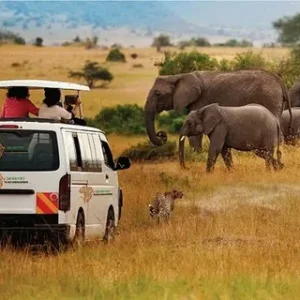
Most Kenya safaris use customized 4WD vehicles. Pop-up roofs for standing, large windows for viewing from any seat.
Driver-guides handle everything – navigation, wildlife knowledge, safety. They know seasonal animal movements, best photography spots, hidden watering holes.
Road journeys offer cultural experiences – rural villages, local markets, farming communities. These glimpses add depth beyond pure wildlife encounters.
Flying Safaris – Worth Extra Cost?
Kenya’s airstrip network connects major parks efficiently. Flight times under 90 minutes between most destinations.
Flying works for time-limited visitors or those with mobility issues. Costs significantly more but maximizes game viewing time.
Weather sometimes cancels flights. Always have backup plans.
Self-Drive – Only for Experienced Travelers
Rented vehicles once for independent safari. Worked well in parks with good roads like Amboseli. Nearly got stuck in Tsavo during unexpected rains.
Requires excellent navigation skills, wildlife knowledge, mechanical troubleshooting abilities. Not recommended for first-time visitors.
Where to Sleep – Accommodation Choices
Safari Lodges – Permanent Comfort
Kenya’s lodges blend luxury with wilderness settings. Swimming pools, spa services, gourmet restaurants common.
Best lodges maximize wildlife viewing from rooms. Elephants outside windows, hippos in nearby rivers standard experiences.
Tented Camps – Classic Safari Feel
Canvas walls let you hear nighttime sounds – hippos grunting, lions roaring, hyenas calling. Raised platforms provide safety while maintaining bush atmosphere.
Modern camps include private bathrooms, comfortable beds, quality meals. Authentic African experience with necessary comforts.
Camping – Closest to Nature
Nothing beats falling asleep to wildlife sounds and waking under African stars. Designated campsites provide basic facilities while ensuring safety.
Some operators provide equipment and meals. Others require bringing gear. Either way, camping offers unbeatable value for authentic experiences.
What to Pack – Learned from Mistakes
Clothing That Actually Works
Neutral colors help blend into environment. Bright colors might disturb animals or attract insects. Learned this photographing elephants – wore red shirt, guide wasn’t happy.
Temperature varies dramatically. Early morning drives can be freezing, midday scorching. Layer everything.
Comfortable walking shoes essential. Dust and mud inevitable, so leave fancy footwear home.
Photography Gear Reality
Bring double the memory cards and batteries you think necessary. Remote locations offer zero purchase opportunities. Learned this running out of battery during leopard sighting.
Telephoto lenses capture distant animals without disturbance. Binoculars enhance viewing between photo opportunities.
Dust kills electronic equipment. Protect cameras in sealed bags when not using.
Health Essentials
DEET-based insect repellent prevents mosquito and tsetse fly bites. Other formulations don’t work effectively.
High SPF sunscreen mandatory. Equatorial sun intensity surprises everyone. Reapply constantly during open vehicle drives.
Basic medical kit handles minor issues. Serious problems require professional attention hours away.
Meeting Locals – Cultural Experiences Worth Having
Masai Community Visits
Traditional communities coexist with wildlife in many conservancies. Village visits provide insights into pastoralist lifestyles unchanged for centuries.
Participate in dances, learn about medicinal plants, understand human-wildlife relationships. Tourism income directly benefits these communities.
Local Markets – Sensory Overload
Kenyan markets assault your senses – colors everywhere, sounds, incredible aromas. Fresh produce, handmade crafts, traditional textiles create organized chaos.
Bargaining expected and part of cultural exchange. Start at half asking price, negotiate upward. Support local artisans while getting authentic souvenirs.
Staying Safe – Hard-Learned Lessons
Professional guides undergo extensive training – wildlife behavior, first aid, emergency procedures. Trust their expertise completely.
Never exit vehicles unless specifically authorized. Wild animals are unpredictable. Saw tourist get too close to buffalo once – guide saved his life.
Always inform lodge staff about medical conditions. Remote locations require advance planning for health emergencies.
Health Prep – Don’t Skip This Part
Required Shots and Pills
Yellow fever vaccination mandatory from infected areas. Check latest requirements before booking flights.
Malaria prevention recommended for most safari areas. Consult travel medicine specialists – recommendations change frequently.
Keep routine vaccinations current – tetanus, hepatitis A/B, typhoid.
Insurance That Actually Helps
Comprehensive travel insurance including medical evacuation coverage essential. Safari locations hours from advanced medical facilities.
Ensure adventure activities coverage. Standard policies exclude wildlife encounters.
Choosing Tour Operators – Red Flags and Green Lights
What Indicates Quality
Licensed operators display permits openly. Kenya Association of Tour Operators membership shows industry recognition.
Experienced guides make huge differences. Ask about qualifications, local knowledge, language abilities.
Recent model vehicles with safety equipment should be standard. Well-maintained fleet indicates professional operation.
Important Questions
What’s actually included in quoted prices? Hidden costs for park fees, meals, activities can double expenses.
Emergency procedures for breakdowns or medical issues? Professional operators have backup plans and equipment.
Recent customer references available? Previous clients reveal true service quality.
Avoid These Warning Signs
Suspiciously low prices usually mean cut corners on safety or service quality. Remember – you get what you pay for in safari industry.
High-pressure booking tactics suggest unprofessional operations. Legitimate operators allow decision time.
Missing proper licensing or insurance creates unnecessary risks. Always verify credentials before paying.
Making It Memorable – Beyond Just Photos
Photography From Experience
Golden hour lighting – sunrise and sunset – produces best wildlife shots. Plan game drives around these times.
Animal behavior shots tell better stories than static portraits. Action creates engagement.
Include environmental context. Animals in natural habitats complete stories better than close-ups alone.
Respect animal comfort zones. Stressed animals create poor subjects and negative experiences.
Keep Safari Journal
Document experiences while memories stay fresh. Note unusual behaviors, guide insights, personal reactions.
Record practical details – best photo locations, recommended stops, useful packing tips. Information helps future trips or assists friends.
Include costs, weather, accommodation specifics. Details fade quickly without recording.
Your Safari’s Conservation Impact
Tourism directly funds wildlife protection throughout Kenya. Park fees, conservancy charges, employment create economic incentives for conservation.
Choose operators supporting communities and conservation. Tourism dollars become protection funding when spent responsibly.
Follow wildlife guidelines strictly. Proper behavior ensures animals remain comfortable around vehicles without human dependence.
Ready for Your Kenya Adventure?
Eight years living here taught me Kenya safaris from Nairobi offer unmatched convenience and incredible experiences. Whether camping or luxury lodging, memories created last forever.
Kenya combines spectacular wildlife, solid infrastructure, and genuine hospitality. From first elephant sighting to sleeping under African stars, every moment becomes part of your personal story.
Stop planning and start booking. Animals don’t wait, and neither should you.


Comment (0)