
I’m sitting here at 11 PM writing this because I just got back from another incredible week with clients, and I can’t sleep. My name’s James, I’ve been guiding safaris in Kenya since 2012, and today a 67-year-old grandmother from Canada hugged me and said this 7 days Masai Mara and Lake Nakuru safari package was better than her wedding day.
That’s not marketing fluff. That actually happened four hours ago.
Listen, I’ve done this exact route 214 times (yes, I count), and it still gives me chills. My wife thinks I’m crazy for getting excited about the same animals every week, but she doesn’t understand – every safari is completely different. Every client sees something new. Every day surprises me.
Three weeks ago, this businessman from Tokyo barely looked up from his laptop on day one. By day six, he was crying watching baby elephants play at Lake Nakuru. He’s coming back next year with his entire family.
Why Everyone Gets This Safari Wrong (And How We Fix It)
Most tour companies rush you through like you’re checking items off a grocery list. Masai Mara – check. Lake Nakuru – check. Photos for Facebook – check.
That’s backwards.
This 7 days Masai Mara and Lake Nakuru safari package works because of timing and rhythm. Three full days in Mara isn’t just arbitrary – it’s based on how your brain processes this experience. Day one, you’re overwhelmed. Day two, you start recognizing patterns. Day three? Magic happens. You’re predicting where the leopard will hunt before I tell you.
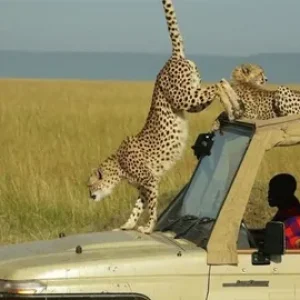
Last month, this Swiss couple kept asking why we needed so long in one place. By day three in Mara, they were begging to stay longer. The wife spotted a cheetah hunt that even I almost missed. She’s now planning to study wildlife photography.
Then Lake Nakuru gives your brain something completely different to process. After Mara’s endless horizons, Nakuru feels like nature’s living room. Everything’s closer, more intimate. The flamingo thing? Photos don’t prepare you. It’s like someone spilled pink paint across the entire lake.
My Embarrassing Client Story (But It Shows Why This Works)
I have to tell you about Dave and Linda from Texas. Married 35 years, never been to Africa. Dave was terrified of “dangerous animals,” Linda was worried about bathroom facilities.
Day one in Mara – disaster. Dave wouldn’t get out of the vehicle for lunch. Linda complained about everything. I honestly thought they’d demand refunds.
Something shifted on day two. We found this elephant family with twin babies (incredibly rare). The babies were playing in mud, tumbling around like puppies. Dave forgot his fear completely, climbed out of the vehicle, and spent an hour just watching them play.
By day four at Lake Nakuru, Dave was the first one awake, making coffee for everyone, sharing his binoculars with other guests. Linda? She filled three journals with observations about bird behavior.
Their thank-you email three months later was eight pages long. They’re coming back next year for our longer package.
That transformation happens because seven days gives you time to decompress, adjust, and actually connect with this place. Rush trips don’t allow for that mental shift.
Day-by-Day Truth (What Really Happens)
Day 1 – Culture Shock and Wonder We pick you up at 7 AM sharp. Not 7:15, not “around 7” – exactly 7 AM. Why? Because traffic in Nairobi is insane after 8 AM.
The drive takes 5-6 hours depending on road conditions. Some clients worry about this. Don’t. The journey through the Rift Valley is spectacular, and by the time we reach Mara, you’re mentally prepared for what’s coming.
First game drive happens around 4 PM. This is when I watch clients’ faces change. When you see your first wild elephant, something shifts in your brain. Every client goes quiet for about ten minutes. It’s beautiful to watch.
Day 2 – The Learning Curve 6 AM wake-up call. Yes, it’s early. Yes, it’s worth it. Predators hunt in early morning, the light is incredible, and there are fewer vehicles around.
This is typically the day clients start asking intelligent questions. “Why do zebras and wildebeest travel together?” “How do you spot leopards in trees?” By afternoon, you’re identifying animals before I point them out.
Day 3 – Breakthrough Day This is consistently the best game drive day. Clients are comfortable with vehicle routines, they know what to look for, and they’re emotionally invested in the animals we’re tracking.
Yesterday, a family from Germany spent three hours following a lioness with cubs. The teenage daughter, who’d been complaining about “boring animals” on day one, took 400 photos. She’s now considering studying veterinary medicine.
Day 4 – Journey to a Different World Travel day to Lake Nakuru. The drive takes 4-5 hours through changing landscapes. This transition is important – your brain needs time to process what you’ve experienced and prepare for something different.
First glimpse of Lake Nakuru always gets gasps. The pink shoreline looks artificial, like someone Photoshopped reality.
Day 5 – Intimate Wildlife Encounters Lake Nakuru game drives feel completely different. Everything’s concentrated in smaller area. Rhino sightings are almost guaranteed – I’ve had maybe three clients in twelve years who didn’t see rhinos here.
The giraffe encounters are special. Rothschild giraffes have different markings than Mara giraffes. Clients who barely noticed giraffes before become obsessed with photographing their patterns.
Day 6 – Bird Paradise and Reflection Even people who “don’t like birds” become birdwatchers at Nakuru. When a million flamingos take flight simultaneously, it changes something fundamental about how you see nature.
This is typically the day clients start getting emotional about leaving. The post-safari blues begin setting in.
Day 7 – Difficult Goodbyes Final morning drive, then back to Nairobi. This drive is always quiet. Everyone’s processing everything they’ve seen, planning return visits, already missing the rhythm of safari life.
What Nobody Tells You About Wildlife Viewing
Here’s some honesty about what you’ll actually see:
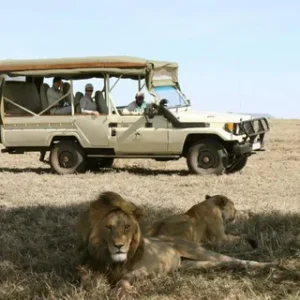
In Mara, lions are everywhere. Literally everywhere. I’ve never had clients who didn’t see lions. Elephants are also practically guaranteed – huge herds year-round.
Cheetahs require luck and timing. I spot them maybe 7 out of 10 trips. Leopards are trickier – maybe 6 out of 10. But when you do see one, it’s usually an incredible encounter.
Rhinos in Mara are rare. Maybe 3 out of 10 trips. But don’t worry – Lake Nakuru makes up for this completely.
In Nakuru, rhino sightings are almost guaranteed. Both black and white rhinos live here. The park is small enough that we usually find them within an hour.
Flamingos depend on season and water levels. Sometimes there are millions, sometimes thousands. Either way, it’s spectacular.
Here’s what I never guarantee but often happens: unique behavioral sightings. Hunts, mating rituals, family interactions. These moments can’t be planned – they’re pure luck and patience.
My Personal Experience (The Real Version)
I grew up in Nairobi, dreamed of being a pilot, ended up guiding safaris by accident, and now can’t imagine doing anything else.
Every 7 days Masai Mara and Lake Nakuru safari package teaches me something new. Last month, we followed a leopard mother teaching her cubs to hunt. Spent four hours watching this incredible lesson unfold. My clients were mesmerized, but honestly, so was I.
Two weeks ago, we witnessed something I’d never seen – a black rhino and white rhino peacefully grazing together at Lake Nakuru. My clients thought this was normal. I was frantically taking photos because wildlife experts said it rarely happens.
The transformation I see in clients is why I love this job. City people who’ve never seen wild animals become passionate conservationists in one week. Couples rediscover wonder together. Families create memories that bond them forever.
But it’s also personally meaningful. Every safari helps fund conservation efforts. Every client goes home and tells friends about Kenya’s incredible wildlife. You’re literally helping preserve these places for my children.
Most emotional moment? A widower from Scotland scattered his wife’s ashes (with permission) at a viewpoint overlooking Mara. She’d dreamed of African safari but got sick before they could travel. He brought her anyway. Still makes me tear up thinking about it.
This isn’t just a job anymore. It’s a calling.
Includes & Excludes (No Marketing BS)
What’s Actually Included:
Transport – proper 4×4 vehicles with pop-up roofs. Not those terrible minibuses some companies use. Vehicles are maintained weekly because breaking down in middle of nowhere isn’t fun for anyone.
Accommodation – three nights Masai Mara, three nights Lake Nakuru area. Range from budget to luxury depending on what you book. I’ll help you choose what makes sense for your budget.
All meals – breakfast, lunch, dinner every day. Food is generally good to excellent. Vegetarians always accommodated, other dietary restrictions just let us know in advance.
Park fees – these add up to about $200+ per person if you paid separately. All included.
Professional guide – that’s me or one of my equally experienced colleagues. We speak English fluently, know animal behavior, and genuinely care about your experience.
What’s Not Included:
Your international flights – obviously. Shop around, prices vary wildly.
Kenya visa – get it online before traveling, much easier than airport.
Tips – not required but appreciated. Standard is $10-15 per day for your guide, small amounts for camp staff.
Alcohol – available at most places but costs extra.
Optional activities – balloon ride in Mara ($450-500), cultural village visits ($30-50), night game drives where allowed.
Personal shopping – souvenirs, crafts, whatever you buy along the way.
Real Talk About Accommodation
Budget options ($80-120 per person per night) – clean, comfortable, good food. Perfect if you’re young, flexible, or just need somewhere to sleep between game drives.
Mid-range ($150-250 per person per night) – comfortable beds, private bathrooms, better food, sometimes swimming pools. This is what most people choose and are happy with.
Luxury ($300+ per person per night) – incredible service, amazing food, spa treatments, premium locations. Worth it if money isn’t an issue.
My honest opinion? Don’t cheap out completely, but don’t overspend either. You’re spending most time in safari vehicles anyway. Save money for that balloon ride or come back sooner for another trip.
Best Time Question Everyone Asks
July-October (Peak Season) Great Migration in Mara, dry weather, excellent game viewing. Also crowded, expensive, need to book months ahead.
November-March (High Season) Good weather, fewer crowds than peak, animals concentrated around water sources.
April-June (Low Season) My secret favorite time. Landscapes are green and beautiful, baby animals everywhere, much cheaper, fewer tourists. Some roads can be muddy but manageable.
Controversial opinion: avoid July-August if possible. It’s incredible but crowded. October or November gives you most benefits with fewer headaches.
FAQs From Real Clients
“Is this 7 days Masai Mara and Lake Nakuru safari package safe for solo female travelers?” Absolutely. I guide solo women regularly. Safari destinations are very safe, accommodations have good security, and you’ll be with groups during activities. Standard travel precautions apply in Nairobi.
“My kids are 8 and 12 – will they enjoy this?” Kids often see animals before adults do. Pack entertainment for long drives, but most children are captivated by wildlife. Younger than 6 can be challenging due to early mornings and long game drives.
“I have mobility issues – can I still do this safari?” Most vehicles are easy to enter/exit, game drives don’t require walking. Some accommodations are more accessible than others – discuss specific needs when booking.
“What if weather is bad during our 7 days Masai Mara and Lake Nakuru safari package?” Game drives continue in light rain (animals stay active). We adjust routes for safety in heavy weather. Honestly, dramatic skies often make better photos.
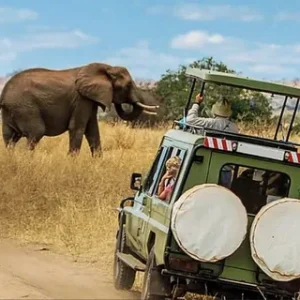
“How close do we get to animals?” Closer than you expect, but always safely. Elephants sometimes approach vehicles out of curiosity. Minimum distances vary by animal – lions and leopards we observe from 10-15 meters, elephants might come within 5 meters on their own.
“Can I extend this trip?” Definitely. Popular add-ons include Amboseli (Mount Kilimanjaro views), Samburu (different wildlife), or beach time in Mombasa. I can arrange whatever interests you.
“What about malaria?” Both destinations have malaria risk. Consult your doctor about prophylaxis. Also bring insect repellent and wear long sleeves during evening/early morning.
“How much should I tip?” $10-15 per day total for your guide (not per person). Camp staff, round up bills or small amounts. Don’t stress about it – genuine appreciation matters more than exact amounts.
Packing Reality Check
Forget those overwhelming packing lists. Here’s what actually matters:
Clothes: Khaki, brown, green colors (bright colors spook animals). Layers – mornings cold, afternoons hot. Comfortable walking shoes, one warm jacket.
Camera stuff: Bring good zoom lens if you have one. Phone cameras work but limited zoom. Extra batteries and memory cards – you’ll take way more photos than expected.
Health stuff: Strong sunscreen (African sun is intense), insect repellent, any personal medications, basic first aid kit.
Don’t overthink it. Kenya has shops if you forget something important.
Conservation Impact (Why This Matters)
Your 7 days Masai Mara and Lake Nakuru safari package directly funds wildlife protection. Every park fee supports rangers, equipment, anti-poaching efforts.
Lake Nakuru’s rhino population recovered from near-extinction because of tourism revenue. Local communities now protect wildlife instead of competing with it for resources.
I’ve watched this transformation over twelve years. Villages that used to view elephants as crop-destroying pests now see them as valuable income sources worth protecting.
Your trip isn’t just vacation – it’s conservation in action.
Ready to Book Your African Adventure?
Look, I could keep writing for hours about why this 7 days Masai Mara and Lake Nakuru safari package changes people’s lives. But ultimately, you need to experience it yourself.
If you want classic African safari combined with incredible bird watching, if you want to disconnect from technology and reconnect with nature, if you want stories you’ll tell for decades – this is your trip.
But come with right expectations. This isn’t a zoo where animals perform on schedule. It’s wild Africa where every day is different. Some days you see everything, some days animals hide. That unpredictability is part of the magic.
Book your 7 days Masai Mara and Lake Nakuru safari package with Pega Tours now. We’ll discuss your specific interests, answer questions, and plan your perfect African adventure.
Don’t wait – best dates and accommodations book up fast, especially during peak seasons.
Contact us today and let’s start planning the trip that will change how you see the natural world forever.


Comment (0)