
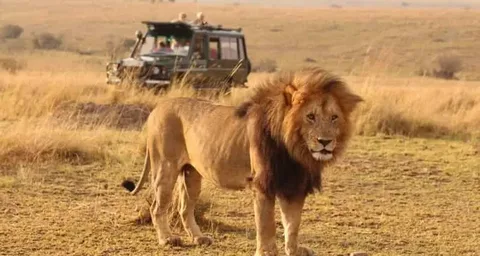
If there’s one trip in Kenya that travelers keep raving about, it’s the Maasai Mara safari. Honestly, I get why. The first time I left Nairobi on that long road toward the Mara, I didn’t know what to expect. You hear so many stories’ thousands of wildebeest running across the plains, lions hiding in the tall grass, the orange glow of an African sunset. But nothing really prepares you for the moment when you actually see it for yourself.
Most visitors to Kenya start their adventure in Nairobi, and that’s where the magic begins. Nairobi is a lively city, buzzing with traffic, street markets, and the hum of daily life. Yet, just a few hours’ drive away lies one of the world’s greatest wildlife reserves the Maasai Mara. It feels almost unreal that such wild beauty sits so close to the capital. That’s why so many travelers look for Maasai Mara tours from Nairobi because it’s the easiest gateway to this unforgettable experience.
The Journey from Nairobi to the Maasai Mara
Picture this: you wake up early in Nairobi, the city still quiet as the morning sun rises. Your driver-guide picks you up, and within minutes, you’re leaving behind the city skyscrapers. The road stretches out ahead, winding through small towns and villages. Children wave as you pass, roadside vendors sell roasted maize, and the scenery slowly changes from bustling streets to rolling hills.
Depending on the route, the drive to the Maasai Mara usually takes about 5 to 6 hours. Some travelers choose to fly instead, with quick flights from Wilson Airport in Nairobi directly to airstrips inside the reserve. Flying saves time, sure, but I’d argue the road trip is an adventure in itself. You get to see more of Kenya along the way—the Great Rift Valley viewpoint is a must-stop. Standing there, overlooking the endless escarpment, is one of those moments you don’t forget easily.
By the time you arrive at the gates of the Maasai Mara, you already feel like you’ve stepped into another world. The air is fresher, the land wider, and the silence only broken by birdsong or the distant grunt of hippos. This is where the real safari begins.
Why Choose a Maasai Mara Tour from Nairobi?
Now, you might wonder: why do so many people specifically look for tours starting in Nairobi? The answer is simple—convenience and variety. Nairobi isn’t just Kenya’s capital; it’s also the safari hub of East Africa. Most tour companies operate from here, offering everything from budget group safaris to luxury private tours.
If you’re on a tighter budget, you can join an overland group safari. These are usually more affordable, and you’ll travel with other like-minded adventurers. There’s something special about sitting around a campfire at night, sharing stories with fellow travelers from different parts of the world.
But if you’re after a little more comfort, Nairobi is also the place to book luxury safaris. Think private 4×4 vehicles, professional guides, and lodges with infinity pools overlooking the savannah. Some lodges even offer hot-air balloon rides at sunrise—an experience that honestly feels like floating in a dream.
The beauty of starting your safari from Nairobi is that you have flexibility. Want a quick 3-day escape to the Mara? Easy. Planning a longer trip that includes Amboseli or Lake Naivasha? Nairobi is the perfect base to combine different parks into one epic adventure.
The Wildlife Experience in the Maasai Mara
If you’ve ever dreamt of seeing wildlife in its purest form, the Maasai Mara delivers beyond imagination. This is not a zoo or a fenced park—this is raw, untouched wilderness. Here, animals roam freely, just as they have for centuries.
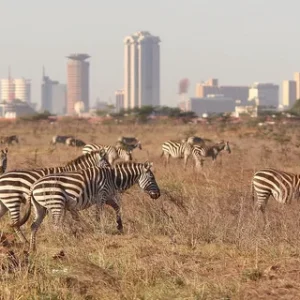
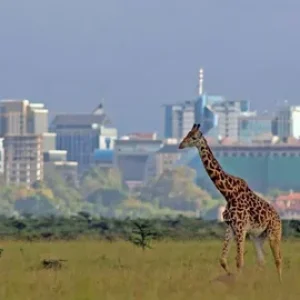
One of the first things I noticed during my first safari drive was how alive the Mara feels. The landscape is constantly shifting with movement—zebras grazing in neat lines, giraffes walking gracefully across the horizon, elephants huddled together as families. And then, of course, the predators. Lions, leopards, and cheetahs all call this place home, and spotting one in action is nothing short of thrilling.
I still remember the first lion pride I encountered. Our driver slowed the 4×4, whispering for silence, as we spotted a group resting under the shade of an acacia tree. The cubs were playful, tumbling over each other, while the lionesses kept a watchful eye. Not far away, a male lion lifted his head, his mane glowing golden in the afternoon sun. It’s the kind of sight that makes you forget to even reach for your camera.
The Big Five and Beyond
Most travelers come to the Maasai Mara with one goal: to tick off the Big Five. That’s the lion, leopard, elephant, buffalo, and rhino. While spotting all five requires a bit of patience and luck, the Mara is one of the best places on earth to make it happen.
But honestly, the smaller moments are just as magical. Watching a herd of wildebeest gather nervously at the riverbank, listening to the call of a fish eagle echoing overhead, or spotting a hyena cub peeking out of its den—all of these experiences remind you how rich and diverse the ecosystem is.
Bird lovers are in for a treat too. The Maasai Mara is home to over 450 species of birds, from colorful lilac-breasted rollers to elegant crowned cranes. Even if you’re not a birder, it’s hard not to be impressed when you see these flashes of color cutting across the endless savannah sky.
Game Drives: The Heart of the Safari
The game drive is the heartbeat of any Maasai Mara tour. Usually, you’ll head out twice a day—once at dawn and again in the late afternoon. These are the best times to catch animals when they’re most active.
Morning drives are magical. The sun rises over the plains, casting a golden light across the grasslands. The air is cool and crisp, and you never know what you might encounter. Sometimes it’s a leopard slinking back into the bushes after a night of hunting. Other times, it’s a herd of elephants on the move, their giant silhouettes framed by the morning glow.
Afternoon drives have their own rhythm. The heat of the day fades, and animals emerge again. Predators become more active, scanning the plains for their next meal. There’s always that quiet anticipation—you never know if you’ll witness a hunt, a chase, or simply the calm beauty of animals at rest.
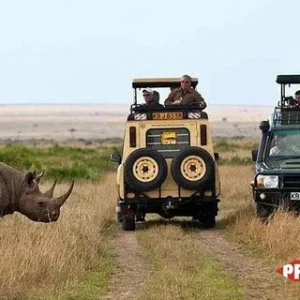
Some lodges and camps also offer full-day drives, where you carry a packed lunch and spend the entire day exploring deeper into the reserve. These long drives give you a better chance of spotting rare sightings, like black rhinos or cheetahs in action.
The Great Migration: Nature’s Greatest Show
While the Maasai Mara is spectacular year-round, nothing compares to the Great Migration. This natural wonder sees over 1.5 million wildebeest, along with zebras and gazelles, move in a massive loop between Tanzania’s Serengeti and Kenya’s Maasai Mara.
From July to October, the Mara becomes the stage for one of the most dramatic wildlife spectacles on earth. Imagine thousands of animals gathering at the Mara River, the air thick with tension. Crocodiles lurk in the water, lions wait in the tall grass, and the wildebeest hesitate on the riverbank. Then, suddenly, one brave animal makes the leap, and the rest follow in a thunderous stampede. The chaos, the dust, the sound of hooves—it’s overwhelming and unforgettable.
Many travelers time their Maasai Mara tours from Nairobi to coincide with the migration. And honestly, if you ever get the chance, it’s worth it. Witnessing this event feels like being part of a live documentary, a raw reminder of nature’s rhythm and survival instincts.
Meeting the Maasai People: Culture and Traditions
A trip to the Maasai Mara isn’t just about wildlife—it’s also about the people. The Maasai community, who have lived in this region for centuries, bring a human connection to the vast landscape.
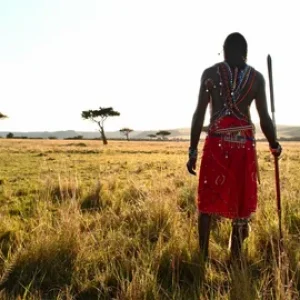
During many tours, you’ll have the chance to visit a Maasai village. It’s not a staged show, but rather an opportunity to understand their traditions and way of life. I remember walking into a homestead (called a manyatta) where the houses were built from mud, sticks, and cow dung. The Maasai welcomed us with songs and dances, their red shukas (robes) vivid against the golden grass.
They explained how cattle are central to their culture, not just as food but as a symbol of wealth and pride. I found it fascinating how deeply they respect the land, living in harmony with the wildlife that surrounds them. Buying handcrafted jewelry or beadwork directly from Maasai women is also a great way to support their communities while taking home a meaningful souvenir.
When Is the Best Time to Visit the Maasai Mara?
The Maasai Mara is a year-round destination, but the experience changes depending on the season.
- July to October (The Great Migration): This is the peak season, when millions of wildebeest and zebras cross into the Mara from the Serengeti. If witnessing the river crossings is on your bucket list, this is the time to go.
- December to February: The dry season, excellent for spotting predators as vegetation is thinner and wildlife is easier to see.
- March to June: Known as the “green season,” the Mara is lush and beautiful, with fewer crowds. This is a great time for birdwatchers, as migratory birds flock to the reserve.
Honestly, there’s no bad time to visit—the Mara always has something to offer. It’s just about choosing the kind of experience you want.
Accommodation Options: Where to Stay
One of the best things about booking a Maasai Mara tour from Nairobi is the variety of accommodation available. Whether you’re a luxury traveler or on a budget, there’s something for everyone.
- Luxury Lodges: Places like Mahali Mzuri (owned by Sir Richard Branson) and Angama Mara offer stunning views, infinity pools, and personalized safari experiences. Staying here feels like stepping into a scene from Out of Africa.
- Tented Camps: These are very popular, ranging from mid-range to high-end. Imagine sleeping under canvas but with comfortable beds, en-suite bathrooms, and the sounds of the savannah all around you.
- Budget Camps: For travelers on a tighter budget, there are affordable tented camps and guesthouses near the park gates. You still get the thrill of being close to the action without breaking the bank.
Wherever you choose to stay, the experience is unforgettable. Waking up to the sound of distant lions or enjoying a campfire dinner under a star-filled sky is pure magic.
Practical Travel Tips for Your Safari
Planning a Maasai Mara safari from Nairobi is exciting, but a few practical tips can make your trip smoother:
- Book in Advance: Especially during the migration season, tours and lodges fill up quickly.
- Pack Smart: Lightweight clothes, a good hat, sunscreen, and binoculars are must-haves. Don’t forget a camera with extra batteries and memory cards—you’ll need them!
- Stay Hydrated: The sun can be intense, so always carry water.
- Respect Wildlife: Remember, you’re in their home. Keep a safe distance, stay inside the vehicle during drives, and follow your guide’s instructions.
- Cash for Souvenirs: If you plan to buy Maasai beadwork or crafts, carry some cash in Kenyan shillings. Many villages don’t take cards.
- Travel Insurance: Always a good idea for peace of mind, especially when traveling in remote areas.
- Transport from Nairobi: You can choose to fly (just 45 minutes) or drive (about 5–6 hours). Driving is more affordable and lets you see the countryside, while flying saves time and energy.
Why Book Your Maasai Mara Tour from Nairobi?
Nairobi is the perfect starting point for your Maasai Mara adventure. The city has excellent international connections, making it easy for travelers from all over the world to arrive. From Nairobi, you can choose between road and air transfers, depending on your budget and schedule.
Most tour operators also offer packages that include transport, park fees, accommodation, and meals. This makes planning stress-free, so you can focus on enjoying the experience rather than worrying about logistics.
Final Thoughts: A Journey You’ll Never Forget
The Maasai Mara isn’t just another travel destination—it’s a once-in-a-lifetime experience. From the thrilling wildlife encounters and breathtaking landscapes to the warmth of the Maasai people, every moment leaves an imprint on your heart.
Whether you’re traveling solo, as a couple, or with family, a Maasai Mara tour from Nairobi is more than just a safari. It’s an adventure into nature’s most spectacular stage, where every sunrise brings new stories, and every game drive feels like a chapter from a living documentary.
So, if you’ve been dreaming of Africa—of lions on the hunt, wildebeest on the move, and sunsets that paint the savannah in gold—start in Nairobi, and let the Maasai Mara welcome you.
Frequently Asked Questions (FAQs) about Maasai Mara Tours from Nairobi
- How far is Maasai Mara from Nairobi?
By road, it takes about 5–6 hours to drive from Nairobi to the Maasai Mara, depending on traffic and road conditions. If you prefer speed and comfort, daily flights from Wilson Airport in Nairobi take just 45 minutes. - What is included in a Maasai Mara tour package from Nairobi?
Most packages include transport (road or flight), park entry fees, accommodation, meals, and guided game drives. Some may also include cultural visits to Maasai villages or hot air balloon safaris—always check with your tour operator before booking. - Is it safe to travel to the Maasai Mara from Nairobi?
Yes, it’s safe. Tour companies use well-maintained vehicles, and flights are operated by reputable local airlines. Inside the reserve, professional guides ensure your safety by following park rules and maintaining safe distances from wildlife. - What is the best time to book a Maasai Mara tour from Nairobi?
The Great Migration (July–October) is the most popular time, but safaris are rewarding all year. For fewer crowds and lower rates, consider the green season (March–June). - How many days should I spend in the Maasai Mara?
Ideally, 3–4 days gives you enough time to explore different parts of the reserve, enjoy multiple game drives, and relax at your camp or lodge. Shorter 2-day tours are possible but can feel rushed. - Can I do a day trip to Maasai Mara from Nairobi?
Technically yes, if you take an early morning flight and return in the evening. However, most travelers prefer at least an overnight stay to fully enjoy the experience. - Do I need a visa to travel to Maasai Mara if I arrive in Nairobi?
If you’re an international traveler, you’ll need a Kenyan eVisa, which you can apply for online before your trip. For citizens of some countries, visas may be issued on arrival—check the latest requirements before you travel. - What should I pack for a Maasai Mara safari from Nairobi?
Pack lightweight clothing in neutral colors, a hat, sunscreen, insect repellent, binoculars, and a camera. Evenings can be chilly, so bring a warm layer. Don’t forget comfortable shoes for walking safaris or cultural visits. - Are Maasai Mara tours suitable for families with children?
Yes, many lodges and camps are family-friendly, offering activities tailored for kids. However, parents should keep in mind that game drives involve long hours in vehicles, which may be tiring for very young children. - How much does a Maasai Mara safari from Nairobi cost?
Prices vary widely depending on the level of accommodation and whether you choose to fly or drive. Budget road safaris start from around $300–$400 per person for 2–3 days, while luxury flying packages can cost $1,500+ per person.


Comment (0)