
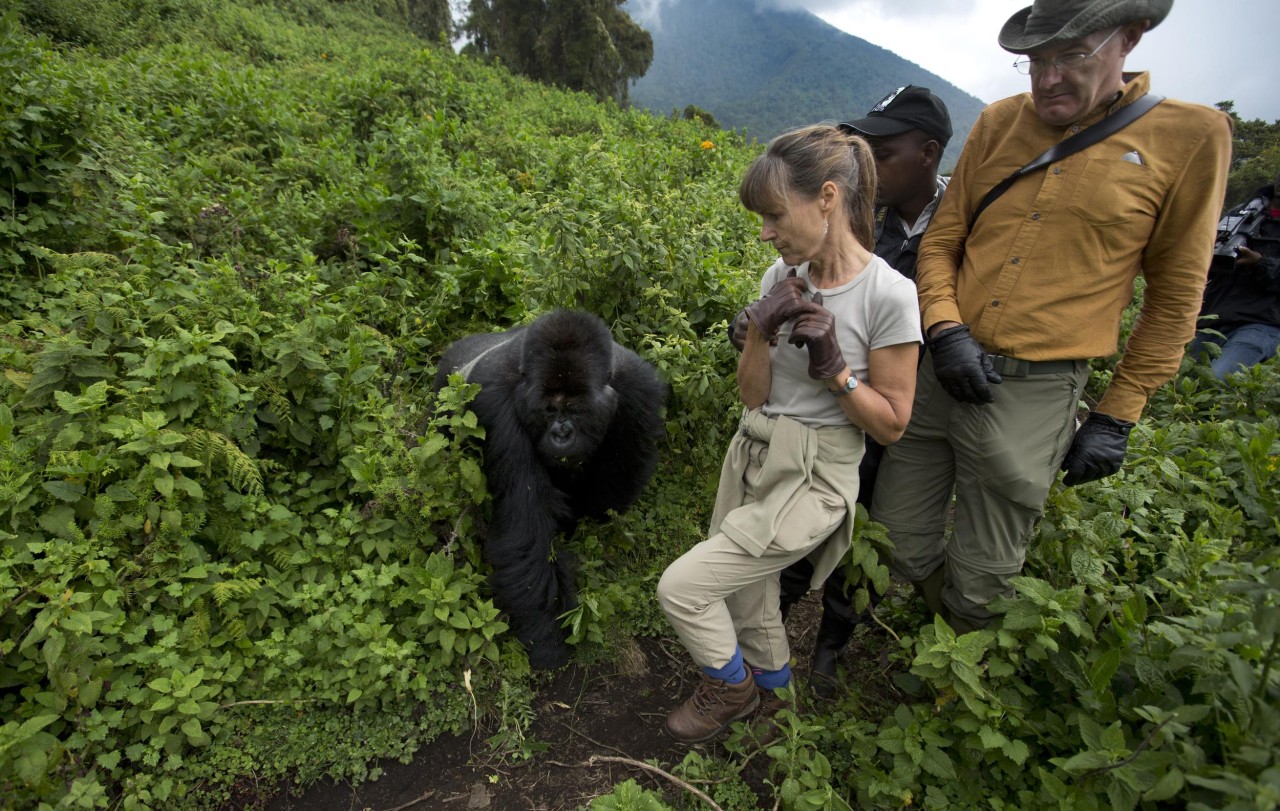
Imagine standing just a few meters away from a 200-kilogram silverback gorilla, watching as he gently plays with his young ones in the misty forests of Uganda. This isn’t a scene from a documentary—it’s the real-life gorilla trekking experience in Uganda that awaits you in the Pearl of Africa.
Uganda is home to more than half of the world’s remaining mountain gorillas, with over 450 individuals living in the dense forests of Bwindi Impenetrable National Park and Mgahinga Gorilla National Park. While Rwanda and the Democratic Republic of Congo also offer gorilla trekking, Uganda stands out for several compelling reasons.
First, Uganda’s gorilla trekking permits cost $700 compared to Rwanda’s $1,500, making it significantly more affordable without compromising the quality of your experience. Second, Uganda offers more habituated gorilla families—over 20 groups that you can track—giving you better availability and flexibility when booking your trek. Third, the diversity of trekking sectors means you can choose experiences ranging from moderate walks to challenging adventures, all while supporting vital conservation efforts.
In this comprehensive guide, we’ll walk you through everything you need to know about gorilla trekking experience in Uganda in 2025—from choosing the right park and understanding permit requirements to packing essentials and booking your dream safari with trusted local operators like Pega Tours.
Where to Go Gorilla Trekking in Uganda
Uganda offers two exceptional national parks for gorilla trekking, each with its own unique character and advantages.
Bwindi Impenetrable National Park
Bwindi Impenetrable National Park is Uganda’s crown jewel for gorilla trekking. This UNESCO World Heritage Site spans 331 square kilometers of ancient rainforest in southwestern Uganda and protects approximately 459 mountain gorillas—nearly half the global population.
The park’s name says it all: “impenetrable” describes the dense vegetation that creates a mystical atmosphere as you trek through towering trees, tangled vines, and moss-covered branches. Despite its wild nature, Bwindi is surprisingly accessible. You can reach the park by road from Kampala (8-9 hours) or Kigali, Rwanda (4-5 hours), or take a domestic flight to nearby airstrips at Kihihi or Kisoro.
What makes Bwindi truly special is its incredible biodiversity. Beyond gorillas, the park is home to 120 mammal species, 350 bird species (including 23 Albertine Rift endemics), and countless butterflies and plants. The varied terrain—ranging from 1,160 to 2,607 meters in elevation—creates different trekking experiences across its four distinct sectors.
Bwindi Sectors
Buhoma Sector
Located in the northern part of Bwindi, Buhoma is the oldest and most developed sector for gorilla trekking. It’s home to five habituated gorilla families and offers excellent lodge options ranging from budget to luxury. The terrain here is relatively moderate, making it ideal for first-time trekkers or those concerned about fitness levels. Buhoma’s rich history—it was the first sector opened for tourism in 1993—adds to its appeal.
Ruhija Sector
Positioned in the eastern part of the park at higher elevations, Ruhija is a paradise for birdwatchers and those seeking a more remote experience. The sector has four gorilla families available for trekking. The higher altitude means cooler temperatures and sometimes more challenging terrain, but the spectacular views across the forested valleys are worth every step. Ruhija tends to be quieter than other sectors, offering a more intimate wilderness experience.
Rushaga Sector
Rushaga, in the southern region of Bwindi, boasts the highest number of habituated gorilla families—eight groups in total. This makes it the easiest sector for securing last-minute permits. The terrain varies from moderate to strenuous, and the sector’s proximity to the Rwanda border makes it accessible for travelers coming from Kigali. Rushaga also offers the unique gorilla habituation experience, where you can spend four hours with a gorilla family being habituated to human presence.
Nkuringo Sector
Perched on the southwestern edge of Bwindi with dramatic views over the Virunga Volcanoes, Nkuringo is known for having some of the most challenging treks. The steep slopes require good fitness levels, but the reward is often spectacular encounters with gorillas against stunning mountain backdrops. Three gorilla families call this sector home, and the local community’s involvement in tourism makes visiting here particularly meaningful.
Mgahinga Gorilla National Park
While Bwindi gets most of the attention, Mgahinga Gorilla National Park offers an equally magical but distinctly different gorilla trekking experience. This smaller park (33.7 square kilometers) is part of the larger Virunga Conservation Area, which spans Uganda, Rwanda, and DRC.
Mgahinga is characterized by three dramatic volcanic peaks—Mount Muhabura, Mount Gahinga, and Mount Sabyinyo—that form a stunning backdrop to your gorilla trek. Currently, one habituated gorilla family, the Nyakagezi group, resides in the park. This family is known for its cross-border movements, occasionally wandering into Rwanda before returning to Uganda.
Why choose Mgahinga? The park is significantly less crowded than Bwindi, offering a more exclusive experience. The volcanic landscape creates different trekking conditions—open bamboo forests and alpine meadows rather than dense rainforest. Plus, Mgahinga offers unique opportunities to track golden monkeys and climb volcanic peaks, making it perfect for travelers who want to combine gorilla trekking with other adventures.
Gorilla Families You Can Trek in Uganda
Understanding gorilla family dynamics adds depth to your trekking experience. Currently, Uganda has over 20 habituated gorilla families across both parks, each with its own personality, structure, and story.
A habituated family means the gorillas have been gradually conditioned to human presence over 2-3 years, allowing them to behave naturally while tourists observe from a safe distance. Each family typically consists of 10-30 members, led by a dominant silverback male who makes all major decisions for the group.
Here are some notable families you might encounter:
Mubare Family (Buhoma) – The first gorilla family to be habituated in Uganda in 1993, making them historic pioneers of gorilla tourism. Led by silverback Kanyonyi, this group offers relatively easy treks.
Habinyanja Family (Buhoma) – Known for their playful juveniles and dramatic family dynamics, this group once split and reunited, creating fascinating behavior patterns for observers.
Rushegura Family (Buhoma) – A breakaway group from Habinyanja, led by the impressive silverback Mwirima. They’re often found at lower elevations, resulting in shorter treks.
Bitukura Family (Ruhija) – Famous for being one of the quickest families to habituate (just one year), they’re calm and accustomed to human presence, making encounters particularly intimate.
Nshongi Family (Rushaga) – Once the largest habituated gorilla family in the world with over 30 members, they’re known for their cohesive social structure and multiple silverbacks.
Nyakagezi Family (Mgahinga) – The only habituated family in Mgahinga, known for their adventurous cross-border travels and adaptability to volcanic terrain.
Each family offers something unique. Some are known for curious juveniles who might come remarkably close to visitors, while others feature powerful silverbacks who display impressive chest-beating behaviors. Your ranger guides will share fascinating stories about each family’s history, relationships, and personalities during your trek.
What to Expect During Your gorilla trekking experience in Uganda Experience (Step-by-Step)
Pre-trek briefing at the park headquarters
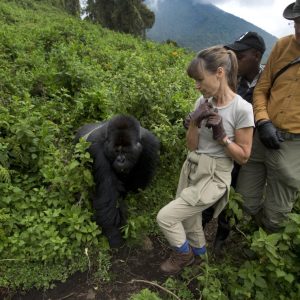
Your gorilla trekking adventure begins early—usually around 7:00-7:30 AM at the park headquarters. Here, you’ll meet your fellow trekkers (maximum 8 people per group), ranger guides, and trackers. The briefing covers essential rules: maintaining a 7-meter distance from gorillas, what to do if a gorilla approaches you, the importance of staying calm and quiet, and health protocols.
You’ll be assigned to a specific gorilla family based on your fitness level and preferences. This is also when you can hire a porter—a service that not only makes your trek easier but also supports local communities economically.
Starting the trek – terrain, forest conditions, elevation
Once briefed, you’ll drive or walk to the trekking starting point. The moment you enter the forest, you step into another world. The air becomes cooler and damper, filled with the sounds of birds and forest creatures. The terrain varies dramatically depending on your location—from muddy paths and steep slopes to tangled vegetation and river crossings.
Advanced trackers who left earlier that morning communicate with your guides via radio, providing updates on the gorillas’ location. This real-time tracking means your trek could last anywhere from 30 minutes to 6 hours. The unpredictability is part of the adventure—gorillas are wild animals that move throughout their territory daily, foraging for food and socializing.
Tracking the gorilla family with rangers
As you trek deeper into the forest, your ranger guide will point out signs of gorilla activity: fresh dung, bent vegetation where they fed, knuckle prints in the mud, and even nests from the previous night. The excitement builds as these signs become fresher. Your guide might suddenly signal you to be quiet and prepare your cameras—the gorillas are close.
The gorilla encounter – one magical hour
Then it happens. Through the dense foliage, you spot your first gorilla. Perhaps it’s a female delicately picking leaves, or juveniles playing in the branches, or the massive silverback resting against a tree. For the next hour, you’ll observe these magnificent creatures going about their daily lives completely naturally.
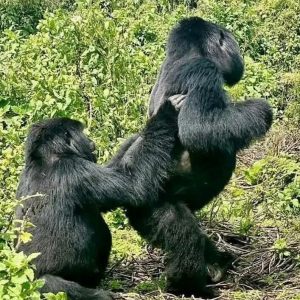
You might witness mothers nursing their babies, youngsters play-fighting, the silverback asserting his authority with a powerful chest beat, or the entire family moving through the forest as a coordinated unit. The experience is profoundly moving—you’re not watching animals in a zoo but sharing space with wild creatures in their natural habitat. Many visitors describe this as a life-changing moment.
Returning from the trek – duration & difficulty
After your allotted hour, you’ll begin the journey back to the park headquarters. The return trek usually takes less time since you’re retracing familiar paths. Upon return, you’ll receive a certificate commemorating your gorilla trekking experience—a meaningful souvenir of your conservation contribution and unforgettable encounter.
How Difficult Is Gorilla Trekking in Uganda?
Gorilla trekking isn’t a casual nature walk, but you don’t need to be an athlete either. Understanding the physical demands helps you prepare appropriately.
Trek duration ranges widely from 1 to 6 hours (or occasionally longer) depending on where the gorillas are located. They might be close to the starting point, or they might have moved deep into the forest. The unpredictability is part of the authentic experience.
The terrain presents the main challenge. You’ll navigate steep slopes, muddy paths, thick vegetation, and sometimes need to use tree roots and branches for support. The forest floor can be slippery, especially during rainy seasons. However, ranger guides set a reasonable pace with regular breaks, and porters can assist with carrying your backpack or even providing a steadying hand on difficult sections.
Altitude also plays a role. Bwindi’s elevations range from 1,160 to 2,607 meters, and Mgahinga sits at 2,227 to 4,127 meters. While not extreme, the altitude combined with physical exertion can be tiring for some visitors.
Gorilla trekking is suitable for anyone with moderate fitness who can walk for several hours on uneven terrain. Age restrictions apply—you must be at least 15 years old—but there’s no upper age limit. We’ve seen trekkers in their 70s successfully complete treks with proper preparation and porter assistance. If you have concerns about fitness, choose the Buhoma or Rushaga sectors, which generally offer less strenuous options, and definitely hire a porter.
Gorilla Trekking Permit in Uganda (Updated 2025)
Permit price in Uganda
A gorilla trekking permit in Uganda costs USD $700 per person for foreign non-residents in 2025. This fee includes park entrance, ranger guide services, one hour with a gorilla family, and contributes significantly to conservation efforts and local community development. East African residents pay $600, and Ugandan citizens pay UGX 250,000.
For those wanting an extended experience, the Gorilla Habituation Experience permit costs $1,500 and allows you to spend four hours with a gorilla family undergoing habituation—currently only available in Rushaga sector, Bwindi.
How and when to book permits
Permits are issued by the Uganda Wildlife Authority (UWA) and must be booked in advance. The process involves:
- Choosing your preferred dates (minimum 3-6 months ahead for peak seasons)
- Selecting your sector/park (Bwindi or Mgahinga)
- Booking through a licensed tour operator like Pega Tours, who handles the entire process
- Making payment to secure your permit
- Receiving confirmation with your permit details
Working with experienced operators like Pega Tours simplifies this process enormously. They have direct relationships with UWA, check real-time permit availability, and secure your permits quickly while handling all paperwork and logistics.
Permit availability & limited slots
Permit availability is genuinely limited. Each gorilla family can be visited by only 8 people per day, protecting the gorillas from stress and disease transmission. With over 20 habituated families across Uganda, approximately 160-180 permits are available daily, but demand is high, especially during peak seasons (June-September and December-February).
Permit Booking Table
| Item | Details |
|---|---|
| Permit price | USD $700 (foreign non-residents) |
| Age limit | 15+ years |
| Max trekkers per family | 8 people |
| Booking window | 3-6 months in advance recommended |
| Permit validity | Single use, specific date only |
| Refund policy | Varies; check with tour operator |
Best Time for Gorilla Trekking in Uganda
Gorilla trekking happens year-round in Uganda, but timing affects your experience significantly.
Dry Season (June–Sept & Dec–Feb)
The dry seasons offer the best trekking conditions. Trails are less muddy and slippery, making hiking easier and safer. Visibility improves as vegetation is less dense, and you’re less likely to encounter heavy rain during your trek. These advantages make dry seasons the most popular time for gorilla trekking, resulting in higher demand for permits and accommodation.
Wet Season (March–May & Oct–Nov)
The wet seasons shouldn’t be dismissed. While trails become muddier and rain is more frequent, gorillas are actually easier to locate during this time because they don’t need to travel as far for water and food. The forest is lush and beautiful, photographer’s lighting can be spectacular, and there are fewer tourists, creating a more intimate experience. Permits are also easier to secure, and some lodges offer discounted rates.
Month-by-month conditions
January – Excellent conditions with dry weather and high gorilla activity; peak season pricing applies.
February – Similar to January with warm, dry days; perfect for photography.
March – Transition month as rains begin; fewer crowds and lower prices.
April – Wettest month with frequent afternoon rains; lush scenery and great availability.
May – Continuing rains but tapering off toward month-end; excellent value season.
June – Dry season begins; increasingly popular with comfortable temperatures.
July – Peak tourist season with optimal weather and high demand.
August – Continues peak season patterns; advance booking essential.
September – Last month of long dry season; excellent conditions throughout.
October – Short rains begin; good balance of weather and availability.
November – Wet conditions but manageable; very good permit availability.
December – Dry season returns; holiday visitors create second peak season.
What to Pack for Your gorilla trekking experience in Uganda
Proper packing makes the difference between a comfortable trek and an uncomfortable one:
Clothing:
- Long-sleeved shirts and long pants (protects from vegetation, insects, and sun)
- Waterproof jacket or poncho (rain can occur any time)
- Warm layer (mornings and higher elevations can be cool)
- Garden gloves (helpful when grabbing vegetation for support)
- Hat with brim (sun and rain protection)
Footwear:
- Sturdy waterproof hiking boots with good ankle support and grip
- Gaiters (optional but helpful for keeping mud out of boots)
- Thick socks
Camera & Equipment:
- Camera with good zoom lens (flash is prohibited)
- Extra batteries and memory cards (no charging opportunities in the forest)
- Waterproof camera bag or dry bag
- Binoculars (optional but useful for distant observations)
Health & Comfort:
- Insect repellent (apply before entering the forest)
- Sunscreen
- Personal first-aid kit with any prescription medications
- Hand sanitizer
- Energy snacks and water (at least 2 liters)
- Walking stick (usually provided by the park)
Important: Pack light—you’ll be carrying everything or paying a porter. A small backpack (20-30 liters) is ideal.
Gorilla Trekking Rules & Etiquette
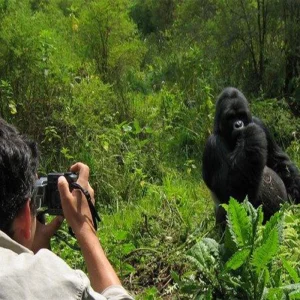
Following these rules protects both you and the endangered mountain gorillas:
Maintain a 7-meter (21-foot) distance from gorillas at all times. If a gorilla approaches you, stay calm and slowly move back to maintain the distance.
Wear a face mask when near gorillas. Mountain gorillas are susceptible to human diseases, and respiratory infections can be fatal to them.
If you’re sick, don’t trek. Even a common cold poses serious risks to gorillas. Tour operators will work with you to reschedule without penalty.
Stay quiet and speak in whispers. Loud noises can stress gorillas and disrupt their natural behavior.
No flash photography. Flash can startle and upset gorillas. Use natural light and adjust your camera settings accordingly.
Don’t eat, drink, or smoke near gorillas. The scent can disturb them, and dropping food introduces human bacteria.
Follow your guide’s instructions immediately. If asked to crouch, move back, or stay still, comply without question. Guides are trained to read gorilla behavior and keep everyone safe.
If you need to cough or sneeze, turn away and cover your face completely.
These rules aren’t arbitrary restrictions—they’re based on decades of research into gorilla health and behavior. Your compliance directly contributes to the conservation success that has seen mountain gorilla populations increase despite numerous threats.
Where to Stay Near the Gorilla Trekking Parks
Accommodation options near Bwindi and Mgahinga range from budget-friendly campsites to ultra-luxury lodges:
Mid-range lodge options
These lodges offer comfortable rooms, good food, and excellent service at reasonable prices ($100-$250 per person per night). Options include Buhoma Haven Lodge, Gorilla Mist Camp, Rushaga Gorilla Camp, and Ichumbi Gorilla Lodge. They typically feature en-suite bathrooms, hot water, electricity (generator-powered), and restaurants serving both local and international cuisine.
Luxury lodges
For travelers seeking premium experiences, luxury lodges provide exceptional service, gourmet dining, stunning views, and sometimes even gorilla viewing from the property ($300-$800+ per person per night). Top choices include Sanctuary Gorilla Forest Camp, Clouds Mountain Gorilla Lodge, Bwindi Lodge, and Volcanoes Safaris properties. Many feature spa facilities, private balconies, and expert naturalist guides.
Budget accommodations
Budget travelers have several options including community campsites, basic guesthouses, and bandas ($30-$80 per person per night). While simpler, these accommodations are clean, safe, and often provide the most authentic local experience. Options include Buhoma Community Rest Camp, Nkuringo Gorilla Camp (basic rooms), and various homestays.
Pega Tours works with accommodations across all price ranges, helping you find the perfect balance between comfort, location, and budget. Our team’s local knowledge means we can recommend lodges based on your specific needs and preferences, and we often secure better rates through our established partnerships.
Why Choose Pega Tours for Your Uganda Gorilla Trekking Safari
Planning a gorilla trekking safari involves complex logistics, from securing permits and booking accommodations to arranging transportation and ensuring you’re properly prepared. This is where Pega Tours’ expertise becomes invaluable.
Local expertise that makes the difference: As a Kenyan-based operator with extensive Uganda connections, Pega Tours combines insider knowledge with personal attention. We understand the intricacies of gorilla permit booking, know which sectors match different fitness levels, and maintain relationships with the best lodges and guides in the region.
Tailor-made itineraries for your needs: We don’t believe in one-size-fits-all safari packages. Whether you want to combine gorilla trekking with other Uganda experiences like chimpanzee tracking in Kibale, game drives in Queen Elizabeth National Park, or relaxation on Lake Bunyonyi, we create customized itineraries that match your interests, timeline, and budget.
Professional guides who enrich your experience: Our driver-guides aren’t just transporters—they’re knowledgeable professionals who share insights about Uganda’s culture, wildlife, and landscapes throughout your journey. Many clients specifically mention our guides (like Dennis and John) in their reviews, praising their patience, expertise, and genuine care.
Fast, reliable permit booking: Gorilla permits sell out months in advance, especially for peak seasons. Our direct relationships with Uganda Wildlife Authority and our efficient booking system mean we can secure your permits quickly and confirm your preferred dates, eliminating stress and uncertainty.
Security, trust, and experience: With 84+ five-star reviews and years of experience organizing East African safaris, Pega Tours has earned a reputation for reliability, safety, and exceptional service. We’re fully licensed, insured, and committed to ensuring your gorilla trekking adventure exceeds expectations while supporting conservation and local communities.
Complete logistical support: From airport pickup to final drop-off, we handle everything: transportation in well-maintained 4×4 vehicles, accommodation bookings, meal arrangements, permit acquisition, guide services, and even assistance with visa applications if needed. You can focus entirely on the experience while we manage the details.
Frequently Asked Questions (FAQ)
How long does a gorilla trek take?
Gorilla treks typically last 1-6 hours depending on where the gorilla family is located that day. The actual time with gorillas is limited to one hour, but the total experience including trekking to and from the gorillas varies based on their location and movement patterns.
Is gorilla trekking safe?
Yes, gorilla trekking is very safe. You’ll be accompanied by experienced ranger guides and armed park rangers who are trained in gorilla behavior and safety protocols. Mountain gorillas are generally peaceful and habituated families are accustomed to human presence. Following the established rules ensures safe encounters for both humans and gorillas.
What is the age limit for gorilla trekking?
The minimum age for gorilla trekking is 15 years old. There is no maximum age limit, though participants should have reasonable fitness levels to handle several hours of hiking on uneven terrain. Porters are available to assist trekkers of any age.
Are gorillas dangerous?
Mountain gorillas are not naturally aggressive toward humans. Habituated families have been conditioned to tolerate human presence and generally ignore visitors. However, they are wild animals with powerful strength. This is why following guide instructions and maintaining proper distance is essential. Incidents are extremely rare when rules are followed.
What happens if we don’t find the gorillas?
While gorilla sightings aren’t 100% guaranteed, the success rate is over 98%. Advanced trackers locate the gorillas before your trek begins, and rangers communicate via radio to guide your group directly to them. In the extremely rare event gorillas aren’t found, most tour operators (including Pega Tours) will work to arrange another trek opportunity or adjust your itinerary.
Do I need to be fit to go gorilla trekking?
Moderate fitness is recommended. You should be capable of walking several hours on steep, uneven, muddy terrain. However, fitness requirements vary by sector—some offer relatively easy treks while others are more challenging. Inform your tour operator about any fitness concerns so they can assign you to an appropriate gorilla family. Porters are available to carry your gear and provide physical support if needed.
Conclusion – Your Life-Changing Gorilla Trekking Experience Awaits
Standing face-to-face with a mountain gorilla in the misty forests of Uganda is more than just a wildlife encounter—it’s a profound connection with one of our closest relatives, a reminder of nature’s magnificence, and a contribution to one of conservation’s greatest success stories.
Uganda offers the most accessible, affordable, and diverse gorilla trekking experiences in the world. With over 20 habituated gorilla families, two spectacular national parks, and a range of trekking options to suit different abilities and preferences, your perfect gorilla adventure awaits in the Pearl of Africa.
The question isn’t whether to experience gorilla trekking—it’s when to begin planning your journey.
Let Pega Tours transform your gorilla trekking dream into reality. With our local expertise, personalized service, and commitment to creating unforgettable African adventures, we’ll handle every detail while you focus on the experience of a lifetime.
Ready to book your 2025 Uganda gorilla trekking safari? Contact Pega Tours today through our website at pegatours.co.ke, reach us via WhatsApp, or fill out our quick 3-step travel form. Our team is standing by to create your perfect gorilla trekking itinerary, secure your permits, and ensure every aspect of your journey exceeds expectations.
Your life-changing encounter with Uganda’s mountain gorillas is just one conversation away. Let’s make it happen. 🦍✨
Book Your Gorilla Trekking Safari with Pega Tours Today 📧 Email: [email protected] 📱 WhatsApp: [Your WhatsApp Number] 🌐 Website: https://pegatours.co.ke/


Comment (0)