


Last Updated: December 1, 2025 | Reading Time: 12 minutes
Figuring out the best time to visit Europe from Kenya can feel overwhelming when you’re staring at calendar months trying to decide. Should you go in summer when everyone says the weather’s perfect? Or maybe spring when prices drop? What about those magical Christmas markets everyone raves about? Look, I get it. After helping countless Kenyan families plan their European adventures, I’ve learned one thing: your perfect timing depends entirely on what matters most to YOU.
Some folks prioritize saving money. Others want guaranteed sunshine. Maybe you’re chasing specific festivals or trying to avoid massive tourist crowds. Here’s what I’ve noticed with most travelers from Nairobi – they usually pick one of three windows: Spring (April-May) when weather cooperates beautifully, Summer (June-August) because of school holidays, or Winter (December-February) for that snowy European Christmas vibe.
Quick Answer – What Is the Best Time to Visit Europe from Kenya?
Here’s my straight-up answer: April through June, or September through October. Why these months? Weather stays comfortable, tourist crowds haven’t gone insane yet, and your money stretches further. Simple as that.
But let me break this down properly because different travelers need different things:
Best Time to Visit Europe Based on Travel Preferences
| Travel Purpose | Best Month(s) | Why It’s Ideal |
|---|---|---|
| Affordable travel | March, October, November | Flight tickets drop 30-40%, hotels slash prices, attractions aren’t mobbed |
| Sightseeing | April–June, September–October | Perfect weather, everything operates normally, you actually enjoy yourself |
| Winter trips | December–February | Skiing season opens, Christmas magic everywhere, cozy winter atmosphere |
| Beach holidays | June–August | Ocean’s warmest, sun stays up forever, beach clubs running full speed |
| Festivals | February (Venice), August (La Tomatina), December (Christmas markets) | Once-in-lifetime cultural moments |
| Group tours | February, October, November | Group discounts available, logistics run smoother, comfortable temps for touring |

Best Seasons to Visit Europe from Kenya (Explained)
Spring (March to May) – Best for Weather & Sightseeing
Spring hits different in Europe. Seriously. Walk through Spanish plazas with orange trees blooming everywhere. Watch Amsterdam turn into a sea of tulips. Temperature sits comfortably between 15-22°C, meaning you can explore cities all day without dying from heat or shivering constantly.
Best part? Tourist madness hasn’t started yet. You can grab decent Eiffel Tower photos without battling 500 people. Hotels haven’t jacked prices to summer levels. Spain, Italy, France – absolutely stunning during these months.
Cherry blossoms transform Dutch gardens. Wildflowers blanket Italian countryside. Barcelona evenings feel perfect without needing jackets. Photography enthusiasts or anyone wanting authentic European experiences without chaos – spring’s your season.
Summer (June to August) – Best for Families & Beach Holidays
Summer equals peak season. Period. Got kids? Stuck with school holiday schedules? You’re probably looking at these months anyway. Mediterranean absolutely buzzes. Greece, Croatia, Spanish coastlines, French Riviera – everything runs at maximum capacity.
What’s great: sun hangs around till 9 PM or later up north. More daylight means more sightseeing time, more outdoor dinners, more everything really. Flip side? Everyone else thinks they’re brilliant for picking summer too. Nairobi flights jump 30-40% higher. Rome, Barcelona, Paris – prepare yourself mentally for crowds.
Dead set on summer? Book everything 3-4 months early minimum. I’ve watched families miss dream hotels because they hesitated. Also, accept crowds as part of the package instead of constantly complaining about them.
Autumn (September to November) – Best for Avoiding Crowds
Want insider knowledge? Autumn might actually be Europe’s smartest travel window. September rolls around, summer insanity dies down, but weather stays gorgeous especially down south. Mediterranean beaches work perfectly well into October. Cities like Lisbon, Athens, Barcelona become enjoyable again without brutal August heat.
Harvest season kicks in, meaning food and wine lovers enter paradise. Tuscan vineyards, Spain’s La Rioja region, French Bordeaux – absolutely incredible during autumn. Hotels slash prices dramatically. Tours and activities become way cheaper.
Kenyan travelers watching budgets but wanting excellent weather? September-October are absolute gold. I tell budget-conscious clients constantly: flexible dates? Grab these months immediately.
Winter (December to February) – Best for Christmas Markets & Snow
Never experienced snow? Want giving your family real white Christmas memories? Winter Europe delivers pure magic. German Christmas markets in Frankfurt, Munich, Nuremberg – legendary doesn’t even cover it. Twinkling lights covering everything, mulled wine smell everywhere, handmade gifts, complete festive atmosphere.
Switzerland and Austria offer world-class skiing. Prague and Vienna during winter? Look like actual fairy tales.
Interesting trend I’ve spotted: February’s exploded in popularity with group travelers from Kenya and Asia. Tour companies push incredible package deals, visa processing speeds up with shorter queues, popular destinations aren’t jammed packed. Italian cities, Barcelona, Madrid, Swiss villages – wonderful in winter provided you layer clothing properly.

Best Time to Visit Europe for Specific Travel Styles
Best Time for Budget Travelers from Kenya
Real talk about money now. Nairobi-Europe flights cost serious cash. Smart timing though? Saves you hundreds of dollars, sometimes thousands. March (once winter holidays finish), October, November – these months deliver best combinations of affordable flights, reasonable accommodation, decent weather.
Airlines run promotions during these periods. Round-trip costing KES 120,000 in July? Might grab it for KES 75,000 in November. Dead serious here.
Off-season impacts everything. Four-star Rome hotels charging $200 nightly in summer? Try $90 in November. Attractions cut entry fees. Tourist-area restaurants drop prices when they’re not packed crazy. Book flights 2-4 months ahead, keep exact dates flexible where possible. Savings stack up ridiculously fast.
Best Time for Family Holidays
Kenyan families typically travel during school breaks – April, August, December. August throws you straight into peak European summer with all associated crowds and costs, though weather’s most predictable and family activities run full blast. Theme parks, water parks, outdoor attractions – everything operates.
My recommendation: if kids’ school allows any flexibility whatsoever, aim for late May or early June instead of August. Still get beautiful weather and extended days, just with significantly fewer crowds and better pricing. European beaches, Barcelona, Copenhagen, interactive museums – perfect for entertaining children.
Family trips I’ve organized where parents had slight date flexibility always worked out superior, both financially and experience-wise.
Best Time for Honeymoon Couples
European romance operates differently during shoulder seasons. April-May and September-October deliver everything couples actually want – pleasant weather, fewer tourists interrupting romantic moments, better availability at boutique hotels and nice restaurants.
Picture this scenario: quiet Amalfi Coast dinner without fighting other couples for tables. Paris walks in spring when the city genuinely feels like yours exclusively. Off-season provides exactly this.
Greek islands absolutely shine late April and May when everything blooms but before cruise ships start dumping thousands of tourists daily. October Venice when wandering streets feels peaceful? Infinitely more romantic than summer chaos. Plus off-season pricing allows splurging on special dinners or room upgrades without destroying budgets.
Best Time for Festival Lovers
European festivals operate year-round with incredible options available. Spain’s La Tomatina in August – world’s biggest food fight happening in Buñol. Messy, completely chaotic, totally unforgettable experience. February’s Venice Carnival transforms entire city into elegant masquerade with elaborate costumes literally everywhere.
December Christmas markets spreading across Germany, Austria, Central Europe – magical atmospheres with festive treats and handcrafted items everywhere. Munich’s Oktoberfest (actually happens late September, weirdly) for beer enthusiasts and culture fans. Edinburgh’s August festivals mixing comedy, theatre, various arts.
Want experiences beyond typical tourist sightseeing? Plan trips specifically around these events. Just book accommodation early since everyone else has identical plans.
How Weather in Europe Differs Across Regions
Europe’s absolutely massive, climate varies wildly depending your destination. Understanding these differences helps packing correctly and maintaining realistic expectations.
Southern Europe – Spain, Italy, Greece, Portugal – experiences Mediterranean climate. Hot dry summers, relatively mild winters. Even January might reach 12-15°C in Barcelona or Athens. Summer though? Can absolutely roast you. July-August regularly hits 35°C and beyond.
Western Europe – France, Belgium, Netherlands, UK – experiences milder temperatures year-round though more rainfall. London can rain literally any month. Always pack umbrellas for Western Europe. Summers stay pleasant but rarely super hot. Winters feel cool and damp rather than freezing.
Northern Europe – Scandinavia, Baltic countries – short beautiful summers with endless daylight, brutal winters with extremely limited sun. Visiting Norway, Sweden, Finland? Stick strictly to June-August unless specifically chasing Northern Lights (best December-March).
Central and Eastern Europe – Germany, Austria, Poland, Czech Republic – experience dramatic seasonal shifts. Summers warm and pleasant. Winters quite cold with regular snowfall. Perfect for Christmas market season though requires proper winter clothing.
Why February Is Popular for Asian & Group Travelers
February’s emerged as absolute favorite for group tours from Kenya, mirroring identical trends seen with Asian tour groups. Makes complete sense actually. Tour operators push extremely aggressive deals during February since it’s officially off-season. You can book comprehensive 10-day multi-country tours at 25-35% below summer pricing.
Winter landscapes create unique photography opportunities impossible during warmer months. Snow-capped Alps, frozen Swiss lakes, frost-covered German medieval towns. Meanwhile popular sites like Rome’s Colosseum or Barcelona’s Sagrada Familia maintain manageable visitor numbers – shorter lines, superior experiences overall.
February visa processing tends operating smoother too. European embassies handle significantly fewer applications compared to pre-summer rush (April-June), reducing wait times considerably. Italy, Spain, Switzerland appeal particularly during February – cities remain accessible despite cooler temperatures, and that combination of culture, winter scenery, affordability creates legitimate value.
Flight Prices: Cheapest Months to Travel from Kenya to Europe
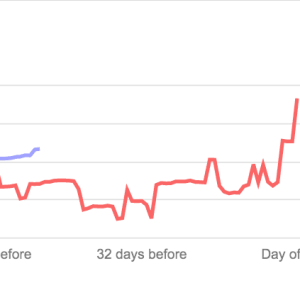
Airline pricing follows predictable patterns once you understand what watching for. Cheapest months flying Nairobi-Europe typically are January (after New Year wraps), late March, October, early November. During these specific windows, you might locate round-trips to London, Paris, Frankfurt for $450-$650 versus $800-$1,200 during peak season.
Airlines adjust pricing based strictly on demand, so avoiding school holidays, Easter week, summer months (June-August) automatically saves considerable cash. Booking 2-4 months ahead hits that sweet spot between early-bird discounts and last-minute price explosions. Tuesday-Wednesday departures frequently cost less than weekend flights.
Use flight comparison tools religiously. Set price alerts for preferred routes. Sometimes flying into one city and departing another (open-jaw tickets) costs less than traditional round-trip while covering more ground without backtracking. Like flying into Barcelona, returning from Rome might prove cheaper while covering additional territory.
Europe Visa Considerations for Kenyan Travelers
Schengen visa process demands careful attention since timing matters enormously. European embassies in Nairobi recommend applying 45-60 days before intended travel dates. Official processing typically takes 15 working days, though extra buffer prevents last-minute panic should delays occur.
Certain months experience higher application volumes, particularly April-June when everyone plans summer holidays simultaneously. Peak months mean appointment slots fill rapidly and processing might drag longer. Conversely, applying during January, February, October frequently means shorter queues, more available appointment times, potentially faster processing overall.
Gather documentation carefully – flight reservations (don’t necessarily need purchased tickets yet), hotel bookings, travel insurance valid throughout Schengen area, bank statements demonstrating sufficient funds, detailed itinerary. European consulates appreciate thorough documentation. Your application should demonstrate clear travel plans, adequate financial resources, strong Kenya ties ensuring your return home.
Working with experienced travel agencies streamlines this entire process significantly, especially for first-time applicants unfamiliar with specific requirements. Pega Tours offers complete visa assistance services to help Kenyan travelers navigate the Schengen application process smoothly.
Suggested Itineraries Based on Travel Month
Summer Europe Itinerary (10 Days) – June/July: Start Barcelona (3 days) exploring Gaudí’s architecture and Mediterranean beaches. Fly Rome (3 days) for ancient history and amazing Italian food. Train Florence (2 days) for Renaissance art galleries. Finish Venice (2 days) for romantic canal experiences. This route maximizes warm weather and summer atmosphere while hitting truly iconic European destinations.
Budget Spring Itinerary (7 Days) – April/May: Fly Prague (3 days) – affordable accommodation options, absolutely stunning Old Town area. Train Vienna (2 days) for imperial palaces and legendary coffee culture. Finish Budapest (2 days) for thermal baths and vibrant nightlife scene. Central Europe during spring offers excellent overall value, beautiful weather conditions, manageable tourist numbers.
Winter Christmas Itinerary (8 Days) – December: Begin Munich (2 days) for traditional Christmas markets and Bavarian culture. Train Salzburg (2 days) for alpine scenery and Mozart’s actual birthplace. Continue Vienna (2 days) for grand Christmas markets and classical music concerts. End Prague (2 days) for complete fairy-tale winter atmosphere. This route captures authentic European Christmas magic perfectly.
When NOT to Visit Europe (If You Want to Avoid Problems)
August in major tourist cities becomes genuinely overwhelming. Venice, Barcelona, Rome get so ridiculously packed that simply walking through popular areas feels like navigating Gikomba Market on busy Saturday afternoon. Local residents actually escape their own cities during August because they know exactly what’s coming. Prices spike dramatically. Restaurants cut quality corners knowing tourists won’t return anyway. Everything feels less authentic overall.
Booking last-minute December flights for Christmas holidays? Complete financial disaster. Prices hit 2-3 times normal rates easily. Quality accommodation in popular cities books solid months ahead. If December travel is absolutely necessary, book by September absolutely latest.
Early March gets tricky weather-wise. You’re stuck awkwardly between winter and spring, meaning cold rainy days not ideal for sightseeing, yet without winter’s charming snow and Christmas market atmosphere. April onwards generally brings more reliable pleasant conditions.
Frequently Asked Questions (FAQs)
What is the cheapest month to fly from Kenya to Europe?
The cheapest months to fly from Nairobi to Europe are typically January, late March, October, and early November. During these off-peak periods, you can find round-trip tickets for $450-$650 compared to $800-$1,200 during summer. Airlines offer the best deals during these months because demand is lower. Book 2-4 months in advance for maximum savings.
How long does it take to get a Schengen visa in Kenya?
Official Schengen visa processing takes 15 working days from the date of your application at European embassies in Nairobi. However, it’s recommended to apply 45-60 days before your intended travel date to account for potential delays. During peak seasons (April-June), processing might take longer due to higher application volumes. February and October typically have shorter processing times.
Which European countries are easiest to visit from Kenya?
The easiest European countries for Kenyan travelers are those with streamlined Schengen visa processes: Spain, Italy, France, and Germany. These countries have well-established embassy services in Nairobi and process most applications smoothly. Additionally, they offer direct or convenient connecting flights from Nairobi and have strong tourism infrastructure welcoming African travelers.
Is it better to visit Europe in spring or autumn?
Both seasons are excellent, but it depends on your priorities. Spring (April-May) offers blooming landscapes, pleasant temperatures (15-22°C), and growing daylight hours – perfect for photography and outdoor activities. Autumn (September-October) provides harvest season experiences, wine tours, fewer crowds, and better hotel rates while maintaining comfortable weather. For budget travelers, autumn edges ahead slightly due to lower overall costs.
Can I visit multiple European countries with one Schengen visa?
Yes! A Schengen visa allows you to visit 27 European countries within the Schengen Area during your approved travel period. You should apply at the embassy of the country where you’ll spend the most time, or your first point of entry if spending equal time everywhere. Popular multi-country routes for Kenyan travelers include Spain-France-Italy or Germany-Austria-Switzerland combinations.
What should I pack for Europe in different seasons?
Spring/Autumn: Layered clothing, light jacket, comfortable walking shoes, umbrella, and a mix of short and long-sleeved shirts. Temperatures range 12-22°C.
Summer: Light breathable clothes, sunscreen, sunglasses, hat, comfortable sandals, and one light sweater for evenings. Expect 25-35°C.
Winter: Heavy winter coat, thermal layers, gloves, scarf, warm hat, waterproof boots, and wool socks. Temperatures can drop to -5°C to 10°C depending on region.
How much money do I need for a 10-day Europe trip from Kenya?
Budget varies significantly based on travel style:
Budget Travel: KES 180,000 – 250,000 ($1,400-$1,950) including flights, hostels/budget hotels, public transport, and self-catering some meals.
Mid-Range Travel: KES 320,000 – 450,000 ($2,500-$3,500) including flights, 3-star hotels, mix of restaurants and casual dining, some tours.
Luxury Travel: KES 580,000+ ($4,500+) including flights, 4-5 star hotels, fine dining, private tours, and premium experiences.
Prices are lower during off-peak seasons (March, October, November).
Do I need travel insurance for Europe from Kenya?
Yes, travel insurance is mandatory for Schengen visa applications. Your insurance must provide minimum coverage of €30,000 (approximately KES 5 million) for medical emergencies and repatriation. It must be valid throughout the Schengen Area for your entire trip duration. Most insurance policies cost between KES 5,000-15,000 for a 10-day trip depending on coverage level.
What’s the best European destination for first-time travelers from Kenya?
Italy or Spain are ideal first-time destinations. Both offer excellent weather, rich culture, diverse experiences (beaches, history, food, art), well-developed tourism infrastructure, and relatively straightforward visa processes. Italy’s Rome-Florence-Venice circuit or Spain’s Barcelona-Madrid route provide comprehensive European experiences with manageable logistics. Both countries are also accustomed to international tourists and offer good value for money.
When is the best time to see the Northern Lights in Europe?
The best time to see Northern Lights in Scandinavian Europe is December through March, with peak viewing in January and February. You’ll need to visit northern regions like Norwegian Lapland, Swedish Kiruna, or Finnish Rovaniemi. Dark winter nights provide optimal viewing conditions. While winter temperatures are harsh (-20°C to -5°C), the spectacular aurora borealis displays make it worthwhile for adventure seekers.

Final Thoughts – When Should You Travel to Europe from Kenya?
Your ideal Europe timing depends completely on your specific traveler type. Budget-conscious adventurers should target March, October, November when everything costs significantly less and crowds disappear entirely. Families tied strictly to school holiday schedules will naturally hit July-August despite higher prices – just book extremely early and mentally prepare for crowds.
Couples chasing romantic experiences will find April-May and September-October absolutely perfect – delivering optimal weather, ambiance, value balance. Festival enthusiasts should plan trips specifically around particular events, whether Venice Carnival in February, La Tomatina in August, or Christmas markets throughout December.
For first-time Europe visitors from Kenya wanting reliable weather conditions, manageable crowd levels, reasonable pricing, I’d personally suggest late April through May, or September through mid-October. These specific windows deliver best overall European experiences without extreme highs and lows associated with peak versus off-season travel.
Whatever you ultimately decide, start planning early enough. Research visa requirements well ahead of time. Book flights 2-4 months advance minimum. Create realistic itineraries that don’t attempt cramming 15 cities into 10 days – that’s genuinely exhausting, not fun whatsoever.
Need help planning your perfect Europe itinerary? Our team at Pega Tours specializes in customized European packages tailored specifically for Kenyan travelers. From budget-friendly group tours to luxury honeymoon packages, we’ve got you covered. Europe genuinely rewards travelers who properly savor experiences instead of constantly rushing between different countries.
Truth is, Europe doesn’t really have bad visiting times. Each season offers completely different experiences. Pick whatever matches your personal priorities, available budget, preferred travel style. Then just go out there and create those incredible memories you’ll tell stories about for years.
Ready to start planning your European adventure? Contact Pega Tours for personalized Europe tour packages from Kenya. We handle everything – from visa assistance to flight bookings and custom itineraries.
About the Author
Peter Kimani is the founder and lead travel consultant at Pega Tours, one of Kenya’s most trusted travel agencies specializing in international tours. With over 8 years of hands-on experience planning European trips for Kenyan families, solo travelers, and honeymoon couples, Peter has personally helped more than 600+ travelers create unforgettable European experiences.
As a licensed Kenyan tour operator, Peter understands the unique challenges Kenyan travelers face – from navigating Schengen visa applications to finding the best flight deals from Nairobi. His expertise spans budget travel planning, luxury tour packages, and everything in between.
When he’s not planning dream vacations, Peter enjoys exploring new destinations to bring fresh insights and authentic recommendations to his clients. His mission is simple: make European travel accessible, affordable, and absolutely memorable for every Kenyan traveler.
Connect with Pega Tours:
- 📧 Email: [email protected]
- 📱 WhatsApp: Contact us directly
- 🌐 Website: www.pegatours.co.ke
- 📍 Office: Nakuru, Kenya
Have questions about planning your Europe trip? Drop us a message – we’re here to help make your travel dreams a reality!


Comment (0)