
Planning your dream Kenyan safari? Choosing the best time to visit Kenya can make or break your adventure. From the legendary Great Migration to intimate Big Five encounters, Kenya offers year-round wildlife experiences. But timing matters whether you’re chasing wildebeest river crossings, seeking budget deals, or planning the perfect honeymoon safari. This guide reveals exactly when to visit Kenya for unforgettable wildlife, perfect weather, and incredible value across all seasons.
When Is the Best Time to Visit Kenya?
The best time to visit Kenya is June through October, when dry weather delivers exceptional safari conditions. Animals gather at waterholes, making wildlife spotting effortless. July to October brings the spectacular Great Migration to Maasai Mara. January and February also shine with excellent game viewing, fewer tourists, and comfortable temperatures. Choose your dates based on priorities—migration spectacle, budget savings, or balanced weather for family adventures.
Quick Answer Table: Best Months to Visit Kenya
| Travel Purpose | Best Months | Why Visit Then |
|---|---|---|
| Great Migration | July – October | Wildebeest river crossings, peak wildlife action |
| Budget Safari | March – May, November | Lowest prices, fewer crowds, lush landscapes |
| Luxury Safari | June – October | Perfect weather, full lodge services, prime viewing |
| Family Holiday | December – February, July – August | School holidays, dry weather, beach combinations |
| Honeymoon | June – October, February | Romantic settings, excellent conditions, privacy |
| Beach Holiday | July – March | Calm seas, sunshine, perfect coastal weather |
| Birdwatching | November – April | Migratory species, breeding plumage, 1000+ species |
Kenya Weather by Season
Understanding Kenya’s climate helps you pick the perfect safari dates. Kenya experiences two main seasons with distinct advantages for different travelers.
Dry Season (June to October)
June through October ranks as the best time to visit Kenya for classic safaris. Minimal rainfall keeps roads accessible while animals concentrate near permanent water sources. Temperatures stay comfortable at 15-28°C with clear blue skies. The famous Maasai Mara Great Migration peaks during these months with dramatic Mara River crossings. Expect higher prices and more tourists, but wildlife viewing remains absolutely spectacular throughout.
Kenya Dry Season Overview
| Month | Temp (°C) | Rainfall | Wildlife Viewing | Crowd Level | Price |
|---|---|---|---|---|---|
| June | 18-26 | Very Low | Excellent | Medium | High |
| July | 17-25 | Minimal | Outstanding | High | Very High |
| August | 17-25 | Minimal | Outstanding | Very High | Peak |
| September | 18-26 | Low | Outstanding | Very High | Peak |
| October | 19-28 | Low | Excellent | High | High |
Short Rains (November to Mid-December)
November brings afternoon showers that refresh Kenya’s landscapes beautifully. Many travelers overlook this period, but it’s actually an excellent time to visit Kenya for value-conscious safari enthusiasts. Morning game drives stay dry and wildlife remains concentrated. Lodge prices drop 30-40% compared to peak season. You’ll enjoy near-empty parks with lush green scenery perfect for photography. The short rains rarely disrupt travel plans significantly.
Second Dry Season (Late December to March)
Late December through March offers another premium window to visit Kenya. Warm sunshine, minimal rain, and fantastic game viewing make this period incredibly popular with families. January and February feature calving season when thousands of baby animals attract hungry predators—creating dramatic wildlife interactions. February particularly stands out with excellent conditions and moderate crowds. December brings holiday pricing but guaranteed perfect weather for festive safaris.
Long Rains (March to May)
March through May brings Kenya’s green season with daily afternoon thunderstorms. This is genuinely the best time to visit Kenya on a tight budget—lodge rates plummet by 50% or more. Some remote camps close and dirt roads get muddy, but resident wildlife remains visible. Birdwatchers find this period magical with breeding plumage and migratory species. Dramatic skies create stunning photography opportunities. Adventurous travelers embrace occasional showers for incredible savings.
Kenya Rainy Season Comparison
| Season | Months | Rainfall Pattern | Safari Conditions | Pricing | Best For |
|---|---|---|---|---|---|
| Short Rains | November | Brief afternoon showers | Good to Excellent | Low-Medium | Budget & Value |
| Long Rains | March – May | Daily afternoon storms | Fair to Good | Lowest | Photographers & Bird lovers |
Best Time for Safari in Kenya
Great Migration Season (July – October)
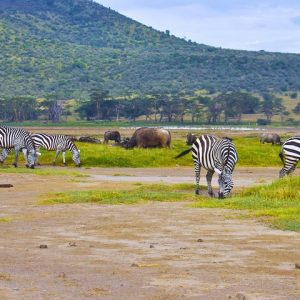
July through October represents the ultimate time to visit Kenya for wildlife spectacle. Over 1.5 million wildebeest surge into Maasai Mara from Tanzania, creating nature’s greatest show. River crossings peak in August and September when massive herds brave crocodile-infested waters. Lions, cheetahs, and leopards feast during this abundance. Luxury lodges book out 12 months ahead—this bucket-list experience demands early planning and premium investment.
Great Migration Timeline
| Month | Migration Status | River Crossings | Wildlife Action | Booking Window |
|---|---|---|---|---|
| July | Herds arrive from Serengeti | Beginning | Excellent | 9-12 months ahead |
| August | Peak numbers in Mara | Frequent | Outstanding | 10-12 months ahead |
| September | Full herds present | Peak activity | Outstanding | 10-12 months ahead |
| October | Begin return south | Declining | Excellent | 6-9 months ahead |
Big Five Viewing Year-Round
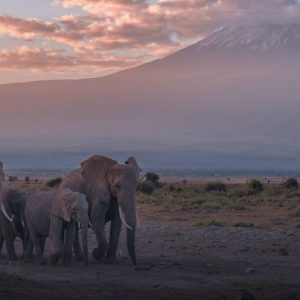
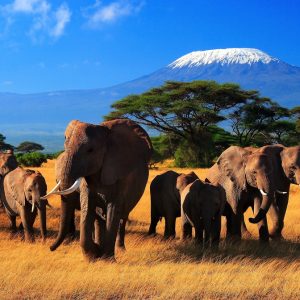
The best time to visit Kenya for Big Five encounters is during dry seasons—June to October and January to February. Sparse vegetation and concentrated animals near waterholes make lions, leopards, elephants, buffalo, and rhinos easier to spot. Amboseli delivers extraordinary elephant viewing with Mount Kilimanjaro backdrops. Lake Nakuru guarantees both black and white rhino sightings. Early morning game drives offer highest predator encounter success rates throughout Kenya’s premier parks.
Best Parks for Big Five Viewing
| National Park | Best Months | Big Five Highlights | Special Features |
|---|---|---|---|
| Maasai Mara | July – October, Jan – Feb | All Big Five, huge lion prides | Great Migration, river crossings |
| Amboseli | June – March | Massive elephant herds | Mt. Kilimanjaro views |
| Lake Nakuru | Year-round | Rhino sanctuary | Flamingos, diverse birdlife |
| Tsavo East & West | June – October, Jan – March | Red elephants, big cats | Vast wilderness, Mzima Springs |
Best Time to Visit Kenya by Travel Purpose
Different safari styles align with specific seasons. Here’s how to match your travel purpose with optimal Kenya timing.
Best Time for Luxury Safaris
Luxury travelers should visit Kenya between June and October or December through February when perfect weather guarantees comfortable experiences. Bush dinners, sundowner cocktails, and uninterrupted game drives happen flawlessly. Premium lodges operate at full capacity with complete services including walking safaris and night drives. November offers exceptional value—access exclusive properties at reduced rates while maintaining excellent wildlife viewing. Private conservancies provide intimate encounters away from park crowds.
Best Time for Budget Travel
March through May is absolutely the best time to visit Kenya on a budget. Accommodation costs plummet during the long rains with savings up to 50% on lodges and camps. November also delivers excellent value with better weather conditions. You’ll experience empty parks and can often upgrade from budget camping to mid-range lodges at the same price. Wildlife viewing continues regardless of rain. Smart travelers embrace occasional afternoon showers for massive savings on their dream safaris.
Best Time for Family Holidays
Families should visit Kenya during July-August or December-January when school holidays align with Kenya’s dry seasons. These months guarantee stable weather that children handle better than rainy conditions. Wildlife viewing stays consistently excellent and family-friendly lodges run special junior ranger programs. December through February combines Maasai Mara safaris with gorgeous beach time on Kenya’s coast. Warm sunshine and calm seas create perfect post-safari relaxation for tired families.
Best Time for Honeymoon & Couples
June through October ranks as the best time to visit Kenya for honeymoons. Romantic bush dinners under starry skies, private game drives, and spectacular sundowners create unforgettable moments. Luxury lodges offer special honeymoon packages with complimentary spa treatments and champagne. November provides intimacy and value with dramatic skies perfect for romantic photography. February attracts Valentine’s couples seeking unique safari romance. Private conservancies guarantee seclusion away from other tourists.
Travel Purpose Comparison
| Traveler Type | Best Time | Key Benefits | Budget Level |
|---|---|---|---|
| Luxury Seekers | June – Oct, Dec – Feb | Perfect weather, full services | High |
| Budget Travelers | March – May, November | 50% savings, empty parks | Low |
| Families | July – Aug, Dec – Jan | School holidays, stable weather | Medium-High |
| Honeymooners | June – Oct, February | Romance, privacy, excellent conditions | High |
| Solo Travelers | January – February | Join group safaris, good weather | Medium |
Best Time to Visit Kenya’s Top Destinations
Each iconic Kenyan destination has optimal visiting windows based on wildlife patterns and weather conditions.
Maasai Mara National Reserve
July through October is undeniably the best time to visit Maasai Mara during the world-famous Great Migration. However, resident lion prides, cheetah coalitions, and elusive leopards deliver exceptional year-round viewing. January to March offers excellent wildlife encounters with fewer crowds and competitive pricing. The Mara’s private conservancies surrounding the main reserve provide exclusive game viewing throughout the year with limited visitor numbers and special activities like night drives unavailable in the national reserve.
Amboseli National Park
Visit Amboseli during June-October or December-March for crystal-clear Mount Kilimanjaro views and concentrated elephant herds around permanent swamps. January and February bring calving season when adorable baby elephants join family herds. Early morning game drives offer the best Kilimanjaro photography opportunities before afternoon clouds obscure the summit. Amboseli’s huge tusker elephants against Africa’s highest peak create Kenya’s most iconic photographic safari moment throughout dry season months.
Tsavo East & West National Parks
The best time to visit Tsavo is June-October and January-March when wildlife concentrates at limited waterholes. Tsavo’s famous red elephants become highly visible as dry season thins out vegetation. Predators patrol established territories near reliable water sources. Tsavo West’s dramatic volcanic landscapes and crystal-clear Mzima Springs maintain appeal year-round. November through December offers excellent value with good wildlife viewing and manageable rainfall. These vast parks feel gloriously uncrowded compared to Maasai Mara.
Kenyan Coast (Diani Beach & Mombasa)
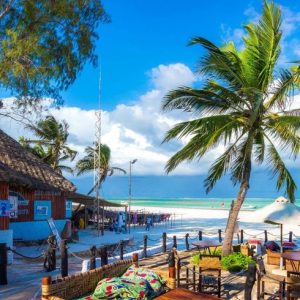
July through March is the best time to visit Kenya’s stunning Indian Ocean coastline. December through March brings hot, sunny conditions perfect for post-safari beach relaxation. The ocean stays calm with excellent underwater visibility for snorkeling and scuba diving. July through October offers comfortable temperatures and calm seas ideal for dhow sailing, kitesurfing, and water sports. Whale sharks appear seasonally October through March. Avoid April-May when heavy long rains disrupt beach activities considerably.
Best Time for Kenya’s Top Destinations
| Destination | Best Months | Wildlife Highlights | Weather Conditions |
|---|---|---|---|
| Maasai Mara | July – October | Great Migration, Big Five | Dry, perfect safari weather |
| Amboseli | June – October, Dec – March | Elephants, Kilimanjaro views | Clear skies, minimal rain |
| Tsavo Parks | June – October, Jan – March | Red elephants, big cats | Dry, excellent visibility |
| Lake Nakuru | Year-round | Rhinos, flamingos | Mostly stable conditions |
| Kenyan Coast | July – March | Beaches, whale sharks | Sunny, calm seas |
Month-by-Month Kenya Safari Guide
Here’s your complete monthly breakdown for planning the best time to visit Kenya based on your specific travel dates.
Complete Month-by-Month Overview
| Month | Weather | Wildlife Viewing | Migration Status | Crowds | Prices | Rating |
|---|---|---|---|---|---|---|
| January | Dry, warm (22-28°C) | Excellent | Not present | Medium | Medium-High | ⭐⭐⭐⭐⭐ |
| February | Dry, hot (23-30°C) | Excellent | Not present | Medium | Medium | ⭐⭐⭐⭐⭐ |
| March | Rain starts (23-28°C) | Good | Not present | Low | Low-Medium | ⭐⭐⭐ |
| April | Heavy rain (22-27°C) | Fair | Not present | Very Low | Lowest | ⭐⭐ |
| May | Rain continues (21-26°C) | Fair | Not present | Very Low | Low | ⭐⭐⭐ |
| June | Dry begins (18-26°C) | Very Good | Approaching | Medium | High | ⭐⭐⭐⭐ |
| July | Dry, pleasant (17-25°C) | Excellent | Arrives | High | Very High | ⭐⭐⭐⭐⭐ |
| August | Dry, peak (17-25°C) | Outstanding | Peak crossings | Very High | Peak | ⭐⭐⭐⭐⭐ |
| September | Dry, perfect (18-26°C) | Outstanding | Full herds | Very High | Peak | ⭐⭐⭐⭐⭐ |
| October | Dry, warming (19-28°C) | Excellent | Departing | High | High | ⭐⭐⭐⭐⭐ |
| November | Short rains (20-27°C) | Good | Gone | Low-Medium | Low-Medium | ⭐⭐⭐⭐ |
| December | Dry, festive (21-28°C) | Very Good | Not present | High | Very High | ⭐⭐⭐⭐ |
Detailed Monthly Breakdown
January: Dry and warm weather brings excellent safari quality. Calving season begins attracting predators. Medium crowds with medium-high prices. One of the best times to visit Kenya for predator action and baby animals throughout Amboseli and southern parks.
February: Dry and hot conditions continue. Peak calving season creates dramatic wildlife encounters. Resident wildlife stays concentrated near water. Medium crowds and reasonable medium pricing make this an outstanding value month to visit Kenya.
March: Light rain starts appearing. Fair to good safari conditions with green landscapes emerging. Low crowds and low-medium prices attract budget-conscious travelers. Shoulder season begins making it affordable to visit Kenya before heavy rains.
April: Heavy rain dominates. Fair wildlife viewing continues despite wet conditions. Lush scenery and active bird breeding. Very low crowds and lowest annual prices. Best month for photographers and dedicated budget travelers willing to embrace rain.
May: Rain continues but gradually improves toward month-end. Fair safari conditions with exceptional birdwatching opportunities. Very low crowds and low prices. Dramatic skies reward patient safari enthusiasts. Underrated time to visit Kenya for nature photography.
June: Dry season officially begins. Very good wildlife viewing as animals concentrate. Migration approaches from Tanzania. Medium crowds start building and prices increase to medium-high. Smart travelers book early for this increasingly popular month to visit Kenya.
July: Dry and pleasant weather arrives. Excellent safari conditions across all parks. Migration arrives in Maasai Mara bringing excitement. High crowds and high prices reflect peak season status. One of the most popular times to visit Kenya annually.
August: Dry peak season continues. Outstanding wildlife viewing everywhere. Peak migration and frequent river crossings create bucket-list moments. Very high crowds and peak prices dominate. Book 12 months ahead to visit Kenya during this spectacular month.
September: Perfect weather conditions persist. Outstanding safari experiences throughout Kenya. Consistent migration viewing with daily river crossings. Very high crowds and peak prices continue. Many consider this the absolute best time to visit Kenya for guaranteed wildlife.
October: Dry and warming weather remains ideal. Very good wildlife viewing continues. Late migration lingers before southern return. High crowds but slightly reduced from peak. High prices but better availability than August-September makes this smart timing to visit Kenya.
November: Short rains arrive with afternoon showers. Good safari conditions with great value opportunities. Migration has departed but resident wildlife abundant. Low-medium crowds and affordable prices. Savvy travelers recognize this underrated time to visit Kenya.
December: Dry festive season begins. Very good wildlife viewing for holiday travelers. Christmas and New Year drive tourism. High crowds and high holiday prices peak toward month-end. Families find this the most convenient time to visit Kenya despite premium costs.
Best Time to Visit Kenya for Beaches
Kenya’s stunning 480-kilometer Indian Ocean coastline offers pristine white sand beaches, vibrant coral reefs, and historic Swahili culture. The best time to visit Kenya’s beaches is July through March when calm seas and reliable sunshine create perfect tropical conditions. Diani Beach ranks among Africa’s finest with consistent weather during these months. December through February brings warm temperatures ideal for swimming, snorkeling, and water sports after your safari adventure.
Kenya Beach Season Guide
| Beach Destination | Best Months | Water Temperature | Activities | Conditions |
|---|---|---|---|---|
| Diani Beach | July – March | 25-28°C | Swimming, snorkeling, diving | Calm seas, sunshine |
| Mombasa | July – March | 25-28°C | Old town tours, beaches | Hot, minimal rain |
| Watamu | October – March | 24-27°C | Marine park, whale sharks | Excellent visibility |
| Malindi | July – March | 25-28°C | Diving, water sports | Stable weather |
| Lamu Island | July – March | 25-28°C | Dhow sailing, culture | Perfect conditions |
Watamu and Malindi north of Mombasa offer exceptional snorkeling and scuba diving October through March when underwater visibility reaches 20+ meters. The protected Watamu Marine National Park attracts sea turtles, dolphins, and seasonal whale sharks. Many travelers combine Maasai Mara safaris with coastal relaxation—the classic “bush and beach” combination works perfectly July through October when both destinations enjoy optimal conditions simultaneously.
When to Avoid Visiting Kenya
Kenya welcomes safari enthusiasts year-round, but certain periods present challenges worth considering during trip planning.
April is genuinely the most challenging month to visit Kenya for first-timers. Heavy rains peak during April creating muddy conditions on dirt roads and limiting access to remote safari camps. Several seasonal properties close for annual maintenance reducing accommodation options in prime wildlife areas. International flights often cost less, but the weather trade-offs are significant.
Early to mid-May continues the wet pattern though conditions gradually improve toward month-end as long rains taper off. Budget travelers who don’t mind occasional afternoon showers can find exceptional value during these months. However, those seeking guaranteed sunshine and smooth logistics should choose alternative periods. The long rains shouldn’t deter adventurous travelers interested in photography, birdwatching, or securing massive savings.
Months to Reconsider (Unless Budget-Focused)
| Month | Main Challenge | Who Should Avoid | Who Might Enjoy |
|---|---|---|---|
| April | Heaviest rainfall, muddy roads | First-time visitors, luxury seekers | Budget travelers, photographers |
| Early May | Continued wet conditions | Families, honeymooners | Bird enthusiasts, repeat visitors |
First-time safari-goers and travelers on tight schedules benefit most from visiting during drier months when wildlife viewing and park access remain consistently reliable throughout your journey.
Kenya Safari Travel Tips by Season
Strategic planning based on seasonal patterns maximizes your Kenya safari experience while avoiding common pitfalls that affect many travelers.
Booking Timeline by Season
Peak season travel (July-October, December) demands booking safari lodges six to twelve months in advance, particularly for sought-after Maasai Mara properties during migration months. Popular camps sell out extremely early and last-minute travelers face very limited availability plus inflated prices. Shoulder and low seasons allow more flexibility—bookings three to four months ahead typically prove sufficient for excellent lodge selection.
Essential Packing Guide
| Season | Clothing Essentials | Equipment Needed | Special Items |
|---|---|---|---|
| Dry Season | Lightweight neutral layers, sun hat | Binoculars, camera, sunscreen | Warm fleece for morning drives |
| Rainy Season | Quick-dry clothes, waterproof jacket | Waterproof camera bag | Covered walking shoes |
| Year-Round | Long sleeves/pants | Insect repellent, medications | Reusable water bottle |
Regardless of when you visit Kenya, layered clothing proves essential. Morning game drives start cold at 10-15°C but warm quickly to 25-30°C by midday. Dry seasons require lightweight breathable fabrics in neutral colors, quality sun protection, and warm layers for early starts. Rainy seasons necessitate waterproof jackets, quick-dry clothing, and covered footwear though temperatures remain warm and rain rarely lasts all day.
Flight and Health Considerations
International flights to Nairobi’s Jomo Kenyatta International Airport operate year-round but prices fluctuate significantly with demand. Book flights during low and shoulder seasons to secure better rates, particularly avoiding December holiday premium pricing. Domestic flights connecting Nairobi to Maasai Mara, Amboseli, and coastal destinations maintain consistent schedules throughout the year regardless of season.
Malaria prophylaxis remains recommended year-round for most Kenya safari destinations though risk varies by region and elevation. Rainy seasons see increased mosquito activity making insect repellent and protective clothing particularly important. Altitude in highlands like Laikipia Plateau can cause mild symptoms initially regardless of season. Comprehensive travel insurance covering medical evacuation provides essential peace of mind whenever you visit Kenya.
Frequently Asked Questions – Best Time to Visit Kenya
What is the best month to visit Kenya?
July through October is generally the best time to visit Kenya, combining perfect weather with the spectacular Great Migration in Maasai Mara. However, January and February offer similarly excellent conditions with fewer crowds and slightly better value. August-September prioritizes migration viewing, while February balances outstanding wildlife encounters with more reasonable pricing. Your ideal month depends on priorities—budget flexibility, tolerance for crowds, or interest in specific wildlife events throughout Kenya’s national parks.
Is Kenya good to visit all year round?
Yes, Kenya offers rewarding safari experiences throughout every month of the year. While dry seasons provide optimal wildlife viewing with concentrated animals and accessible roads, each period brings unique advantages. Long rains deliver lush landscapes and exceptional birdwatching with over 1,000 species. Shoulder seasons combine good weather with substantially better value on luxury lodges. Resident wildlife stays in parks year-round regardless of season. Even rainy months typically feature morning sunshine perfect for game drives. Kenya’s tropical coast maintains appeal regardless of inland conditions.
When is the Great Migration in Kenya?
The Great Wildebeest Migration occurs in Maasai Mara from early July through late October annually. Dramatic river crossings typically peak during August and September when massive herds brave crocodile-infested Mara River waters. Migration timing varies slightly each year based on rainfall patterns that drive the herds’ movements between Tanzania and Kenya. July sees initial arrivals from Tanzania’s Serengeti, while September offers consistently excellent viewing. Some herds remain through November before beginning their southward return journey. Advance booking 10-12 months ahead is essential.
Is Kenya expensive during peak season?
Yes, Kenya’s peak seasons (July-October and December-February) bring premium pricing, especially in Maasai Mara where luxury lodge rates can double or even triple compared to low season. However, peak season pricing reflects not only high demand but also significantly better wildlife viewing conditions and guaranteed weather. Budget travelers can still visit during peak months by choosing camping safaris, staying outside prime locations, or joining group safaris that reduce per-person costs substantially. Shoulder months like June and November offer the best balance of reasonable prices with excellent safari conditions.
What is the worst time to visit Kenya?
April typically presents the most challenges with the heaviest rainfall, muddy road conditions, and some seasonal camp closures for maintenance. Early to mid-May continues wet patterns but gradually improves toward month-end. However, even these months offer significant advantages for specific travelers—extraordinary low-season rates up to 50% off, completely empty parks, and dramatic photography conditions with moody skies. Budget-focused visitors, repeat Kenya travelers seeking fresh perspectives, and dedicated bird photographers often deliberately choose rainy season visits. First-time safari-goers seeking guaranteed sunshine should definitely avoid these peak rainfall months.
Can I see wildlife during rainy season?
Absolutely! Wildlife viewing continues throughout Kenya’s rainy seasons from March through May and during November. Animals don’t disappear when rain falls—they simply disperse across larger territories as water becomes available everywhere. Resident wildlife including lions, elephants, leopards, and buffalo remain in parks year-round. Predators hunt regardless of weather. Birdlife actually flourishes during rains with breeding plumage and migratory species. Morning game drives typically stay dry even during rainy months. The trade-off involves muddier roads and lusher vegetation that sometimes obscures animals, but committed wildlife enthusiasts still enjoy excellent sightings.
How far in advance should I book my Kenya safari?
Booking timeline depends entirely on when you plan to visit Kenya. Peak season travel during July through October, especially August-September for Great Migration, requires booking 10-12 months ahead minimum. Popular Maasai Mara lodges and exclusive conservancies sell out very early. December holiday travel needs 6-9 months advance booking. Shoulder months like June, November, and February allow 4-6 months notice. Low season visits during March through May offer flexibility with just 2-3 months advance booking typically sufficient for excellent lodge selection. Early booking always provides better choices and often early-bird discounts.
What should I pack for a Kenya safari?
Packing depends on your travel season but certain essentials apply year-round. Neutral-colored clothing (khaki, olive, brown) works best as bright colors disturb wildlife. Layers prove crucial—mornings start cold but warm quickly. Dry seasons need lightweight breathable fabrics, wide-brimmed sun hat, quality sunscreen, sunglasses, and warm fleece for dawn drives. Rainy seasons require waterproof jacket, quick-dry pants and shirts, covered walking shoes, and waterproof bags for electronics. Year-round essentials include binoculars, camera with zoom lens, insect repellent, basic medications, reusable water bottle, and modest clothing respecting local culture when visiting villages.
Plan Your Perfect Kenya Safari with Pega Tours
Choosing the best time to visit Kenya transforms your African adventure from memorable to absolutely extraordinary. Whether you dream of witnessing the Great Migration’s thundering herds crossing the Mara River, tracking massive elephant families beneath Mount Kilimanjaro’s snow-capped peak, or combining thrilling wildlife safaris with pristine Indian Ocean beach relaxation, perfect timing ensures you experience Kenya at its magnificent best.
Kenya’s remarkable year-round appeal means there’s genuinely never a wrong time to visit—only different experiences awaiting your discovery. Peak dry seasons deliver classic safari excellence with guaranteed sunshine and concentrated wildlife viewing. Shoulder months offer exceptional value without significant compromise in game viewing quality. Even the rainy seasons reward adventurous travelers with lush emerald landscapes, empty parks, and budget-friendly rates that make luxury accessible.
As a fully licensed, Kenya-based safari operator, Pega Tours understands seasonal travel nuances better than anyone. Our experienced local team has witnessed Kenya’s wildlife spectacles across all twelve months and knows precisely when and where to position you for your dream encounters. We don’t just book safaris—we craft perfectly-timed adventures aligned with your specific interests, budget, and schedule.
Whether you’re planning a luxury lodge safari during peak Great Migration season, a budget-friendly adventure during green season, a romantic honeymoon escape during shoulder months, or a family holiday combining game drives with beach time, our deep local expertise maximizes every single moment of your Kenya experience.
Why Choose Pega Tours for Your Kenya Safari
Local Knowledge: Based in Nakuru, we live and breathe Kenya’s safari seasons daily. Our guides know exactly where wildlife concentrates each month and which parks deliver the best experiences for your chosen travel dates.
Flexible Planning: We design custom itineraries matching your timing, interests, and budget—whether you’re chasing the migration, seeking solitude in empty parks, or maximizing value during shoulder seasons.
Transparent Pricing: No hidden costs. We provide honest advice about peak season premiums versus low season savings, helping you make informed decisions about the best time to visit Kenya for your budget.
Year-Round Operations: Unlike seasonal operators, Pega Tours runs safaris every single month. We know which parks excel during rainy season, where to find wildlife during green season, and how to maximize any travel dates.
Proven Track Record: Our excellent Google Reviews from international travelers across all seasons demonstrate consistent quality whether you visit during peak August or budget-friendly April.
Ready to discover the best time to visit Kenya for your perfect safari? Contact Pega Tours today to discuss your ideal travel dates. Let us craft an unforgettable African adventure perfectly matched to your style, timeline, and budget. Your Kenya dream safari awaits—let’s make it extraordinary together!
Book Your Kenya Safari Now: Email [email protected] | WhatsApp +254 722 776 094 | Visit pegatours.co.ke


Comment (0)