
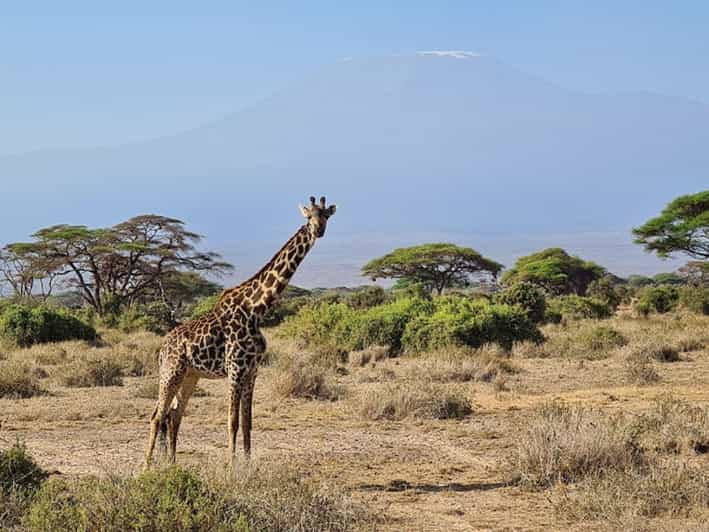
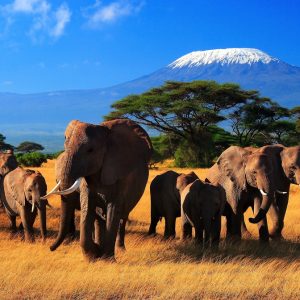
Imagine standing in the heart of Kenya’s wilderness, watching massive elephant herds move gracefully across golden plains while Africa’s highest mountain, Mount Kilimanjaro, towers majestically in the background. This breathtaking scene isn’t from a nature documentary, it’s the daily reality at Amboseli National Park, one of Kenya’s most spectacular wildlife destinations.
Located in southern Kenya, just 240 kilometers from Nairobi, Amboseli National Park offers an unforgettable safari experience where wildlife viewing meets stunning mountain scenery. Whether you’re planning your first African adventure or adding another gem to your safari collection, this complete guide reveals everything you need to know about visiting Amboseli National Park in 2025.
About Amboseli National Park: Kenya’s Elephant Paradise
Amboseli National Park spans 392 square kilometers of diverse landscapes in the shadow of Mount Kilimanjaro. The park’s name originates from the Maasai word “Empusel,” meaning salty dust—a perfect description of the ancient lakebed that characterizes much of the terrain during dry months.
Officially gazetted as a national park in 1974, Amboseli earned UNESCO Biosphere Reserve status in 1991, recognizing its critical role in wildlife conservation. The park sits within a larger 8,000 square kilometer ecosystem that extends across the Kenya-Tanzania border, creating vital wildlife corridors and seasonal migration routes.
The landscape features five distinct habitat zones: open savannah grasslands where game drives reveal abundant wildlife, acacia woodlands providing shade and browsing for giraffes, rocky thorn bush areas sheltering smaller species, permanent swamps fed by underground rivers from Kilimanjaro’s melting ice cap, and the dried Lake Amboseli basin that fills occasionally during heavy rains.
This variety of habitats supports remarkable biodiversity, making Amboseli National Park a year-round destination for nature enthusiasts, photographers, and families seeking authentic African experiences.
The Legendary Elephants of Amboseli National Park
When visitors think of Amboseli National Park, one image dominates: enormous elephant herds silhouetted against Kilimanjaro’s snow-capped peak. This iconic scene has graced magazine covers worldwide, and experiencing it firsthand never disappoints.
Approximately 1,800 elephants call Amboseli home, giving this compact park one of Africa’s highest elephant densities. These aren’t just numerous—they’re among the continent’s most studied elephants, thanks to the Amboseli Elephant Research Project founded in 1972 by Dr. Cynthia Moss.
This groundbreaking research program represents the longest-running wild elephant study globally, individually identifying and tracking over 3,000 elephants across generations. The project’s findings revolutionized our understanding of elephant intelligence, social structures, and communication methods. Scientists discovered that elephants possess extraordinary memories, experience deep grief when family members die, and maintain complex relationships spanning decades.
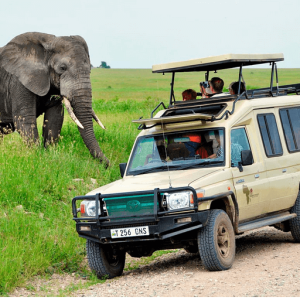
The permanent swamps at Amboseli National Park attract elephant herds throughout the year, ensuring visitors encounter these magnificent creatures regardless of travel dates. During dry season months, dozens of elephants congregate simultaneously around water sources, creating spectacular viewing opportunities as families bathe, play, and socialize together.
Watching elephant interactions provides profound insights into their sophisticated society. Protective mothers guide wobbly calves, teenage elephants engage in playful wrestling matches, and wise matriarchs lead their families using knowledge passed down through generations. These intimate moments create memories that last lifetimes.
Photography enthusiasts particularly treasure Amboseli National Park for elephant portraits. The combination of accessible wildlife, dramatic landscapes, and Kilimanjaro’s backdrop creates unparalleled photographic opportunities found nowhere else on Earth.
Mount Kilimanjaro: Africa’s Iconic Backdrop
While Mount Kilimanjaro actually rises across the border in Tanzania, the most stunning views of Africa’s highest peak come from Kenya’s Amboseli National Park. Standing at 5,895 meters (19,341 feet), Kilimanjaro dominates the southern horizon, its snow-capped summit creating postcard-perfect backdrops for wildlife photography.
The mountain transforms ordinary safari moments into extraordinary images. That classic photograph—elephants walking beneath Kilimanjaro’s majestic peak—represents the quintessential African safari scene, instantly recognizable around the world.
However, seeing Kilimanjaro clearly requires patience and favorable conditions. Clouds typically obscure the summit during midday hours, making early morning between 6:00 and 9:00 AM your best opportunity. Late afternoon from 4:00 to 6:00 PM offers another excellent window as clouds sometimes clear before sunset.
The period immediately following rainy seasons—particularly November and late April through May—provides the clearest atmospheric conditions for Kilimanjaro viewing. During these months, the air holds less dust and haze, revealing the mountain’s full grandeur more consistently.
Climate change has dramatically reduced Kilimanjaro’s glaciers over recent decades, with scientists predicting the complete disappearance of its ice fields within the next few decades. This sobering reality makes witnessing Amboseli’s elephant-Kilimanjaro combination increasingly precious for future generations.
Wildlife Beyond Elephants at Amboseli National Park
While elephants rightfully claim star status, Amboseli National Park supports diverse wildlife populations that reward patient observers with thrilling encounters throughout each game drive.
The park hosts four of Africa’s Big Five species—elephant, lion, buffalo, and the exceptionally elusive leopard. Black rhinos, unfortunately, no longer inhabit Amboseli National Park, making it the only major component missing from complete Big Five viewing.
Lions thrive in the open grasslands, where sparse vegetation suits their hunting strategies. Multiple prides patrol different territories, often seen lounging under scattered acacia trees during hot afternoons. Morning and evening game drives offer the best opportunities for observing active lions on patrol or returning from successful hunts.
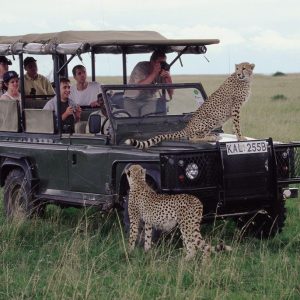
Cheetahs also favor Amboseli’s plains, where their incredible speed can be fully utilized. These graceful cats often perch on termite mounds, scanning for prey while maintaining vigilance against lions and hyenas that might steal their kills.
Large buffalo herds frequent areas near permanent water, while hippos wallow in deeper swamp channels throughout daylight hours. The swamps also harbor Nile crocodiles, though in lower numbers compared to river systems in other Kenyan parks.
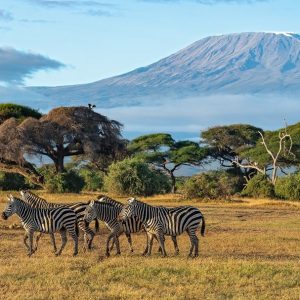
The herbivore community includes elegant Maasai giraffes browsing acacia canopies, Grant’s zebras forming striking black-and-white patterns across the plains, blue wildebeest grazing in herds, and various antelope species including Grant’s gazelles, Thomson’s gazelles, and impalas. These animals concentrate around water sources during dry months, creating spectacular congregations.
Birdwatchers celebrate that Amboseli National Park hosts over 400 bird species, earning recognition as an Important Bird Area. The wetlands attract pelicans, African fish eagles, kingfishers, herons, egrets, and occasionally flamingos when the lakebed floods. The park records 47 raptor species, including secretary birds, martial eagles, and tawny eagles. December through March represents peak birding season when European migrants join resident populations.
Best Time to Visit Amboseli National Park
Amboseli National Park welcomes visitors year-round, with each season delivering unique experiences and distinct advantages for different traveler types.
Dry Season (June-October & January-February)
The dry season provides classic safari conditions that most first-time visitors envision. Wildlife concentrates around permanent water sources as seasonal pans dry completely, making animals easier to locate and observe. Shorter grass improves visibility across the plains, allowing clearer views of both prey and predators.
These months deliver predominantly sunny weather ideal for photography, with blue skies contrasting beautifully against golden grasslands. Predator activity increases as prey animals crowd together, creating dramatic hunting opportunities. However, prepare for extremely dusty conditions—the fine alkaline dust penetrates everything, making dust masks or buffs essential equipment.
This prime season attracts higher visitor numbers, particularly July through September. Accommodation rates peak during these months, and popular lodges book months in advance. Despite increased tourism, Amboseli National Park never feels overcrowded compared to Kenya’s Masai Mara during migration season.
Wet Season (March-May & November-December)
The rainy seasons transform Amboseli National Park into a lush, green paradise that contrasts dramatically with dry season landscapes. Heavy rains turn brown plains emerald, flowers bloom abundantly, and the entire ecosystem pulses with renewed life.
Tourist numbers drop significantly during wet months, creating a more intimate safari experience. Accommodation prices fall 20-40 percent below peak rates, offering excellent value. Kilimanjaro appears more frequently as atmospheric clarity improves after rains wash dust from the air.
Birding reaches its absolute peak during wet months as migratory species arrive. Baby animals appear across species, from elephant calves to newborn gazelles, adding extra charm to wildlife encounters. The renewed vegetation creates stunning photography opportunities with vibrant greens replacing dusty browns.
The challenges include muddy access roads requiring proper 4WD vehicles and more dispersed wildlife as animals spread across expanded grazing areas. Some lodges close during heavy rain periods, particularly in April and May. However, experienced safari enthusiasts often prefer wet season visits for photographic opportunities and authentic wilderness experiences.
Things to Do in Amboseli National Park
Game Drives: The Heart of Safari Experience
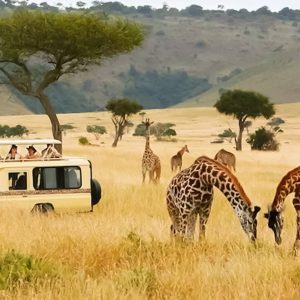
Game drives form the foundation of every Amboseli National Park visit. Morning drives departing around 6:30 AM catch magical golden light as the sun rises over Kilimanjaro, illuminating the plains in warm hues. Wildlife activity peaks during cool morning hours as predators return from nighttime hunts and herbivores graze actively before midday heat.
Afternoon game drives beginning at 3:30 PM extend until sunset around 6:30 PM, offering opportunities to observe predators becoming active and witness spectacular sunsets. Many visitors consider late afternoon drives the highlight, as elephants move toward swamps, casting long shadows across the plains with Kilimanjaro glowing in the background.
Full-day game drives with picnic lunches allow extended exploration of distant park areas. At Pega Tours, our professional guides know exactly where to position vehicles for optimal wildlife viewing and photography throughout changing light conditions.
Observation Hill: Panoramic Paradise
Observation Hill provides the only location within Amboseli National Park where visitors can safely exit vehicles. This elevated volcanic outcrop offers 360-degree panoramic views across the entire park, making it perfect for understanding landscape layout and spotting distant wildlife herds.
The short walk to the summit rewards visitors with breathtaking vistas of swamps, plains, Kilimanjaro, and the surrounding ecosystem. Many safari groups time visits for sunset, watching the day’s final light paint the mountain golden while elephants move through swamps far below.
Cultural Experiences with Maasai Communities
Local Maasai communities operate cultural centers near Amboseli National Park boundaries, providing authentic opportunities to learn about traditional pastoral lifestyles. These visits typically include welcome dances, tours of traditional bomas (circular homesteads constructed from mud and cow dung), demonstrations of fire-making techniques, and opportunities to purchase handcrafted jewelry and artifacts.
Respectful cultural exchanges benefit both visitors and communities. Tourism income supports education, healthcare, and alternative livelihoods that reduce human-wildlife conflict. At Pega Tours, our guides maintain strong relationships with local communities, ensuring authentic experiences conducted with mutual respect.
Where to Stay: Accommodation at Amboseli National Park
Luxury Lodges and Camps
Premium properties inside and around Amboseli National Park offer exceptional comfort with stunning views. Top options include Amboseli Serena Safari Lodge, Ol Tukai Lodge, Tortilis Camp, and Satao Elerai Camp. These establishments feature spacious en-suite rooms, swimming pools, fine dining restaurants, spa services, and prime Kilimanjaro vistas. Rates range from $300 to $800 per night depending on season and room category.
Mid-Range Accommodation
Comfortable mid-range options provide excellent value without sacrificing quality. Properties like AA Lodge Amboseli, Kibo Safari Camp, Amboseli Sopa Lodge, and Sentrim Amboseli offer well-appointed tented camps and lodges with swimming pools, restaurant services, and friendly staff. These accommodations suit families and value-conscious travelers, with nightly rates between $150 and $300.
Budget Camps and Campsites
Budget-conscious adventurers can camp at public KWS campsites or private budget camps outside the park. These basic facilities provide essential amenities at $20-80 per night, allowing travelers to experience Amboseli National Park without breaking the bank. At Pega Tours, we arrange all-inclusive budget safaris with camping, meals, and transportation included.
How to Get to Amboseli National Park
By Road from Nairobi
The road journey from Nairobi to Amboseli National Park covers approximately 240 kilometers, taking 4-5 hours depending on road conditions. The main route passes through Emali town before turning onto murram (gravel) roads leading to park gates. While self-driving is possible with a sturdy 4WD vehicle, most visitors choose guided safaris for superior wildlife spotting, safety, and local expertise.
Pega Tours provides comfortable transportation in modern 4×4 safari vehicles with pop-up roofs perfect for game viewing and photography. Our experienced drivers navigate rough roads confidently while sharing fascinating insights about landscapes, wildlife, and local cultures throughout the journey.
By Air from Nairobi
Scheduled flights from Nairobi’s Wilson Airport reach Amboseli in just 45 minutes, operated daily by SafariLink and AirKenya. Flying works perfectly for time-constrained travelers or those combining multiple parks in comprehensive Kenya safaris. Aircraft land at Amboseli Airport near park headquarters, where ground transfers connect to lodges.
Park Fees and Safari Costs for 2025
Current Amboseli National Park entry fees for international visitors stand at $60 per adult daily, with children aged 3-18 paying $35. Vehicle fees add $300-500 depending on size. East African residents and Kenyan citizens enjoy substantially reduced rates. The park accepts payment via Mpesa, KWS SmartCards, credit cards, and cash in US dollars or Kenyan shillings.
Pega Tours Safari Package Pricing
Budget 3-Day Safari: Starting from $450 per person
- Camping accommodation
- All meals included
- Transport in 4×4 vehicle
- Park entry fees
- Professional guide services
Mid-Range 3-Day Safari: Starting from $800 per person
- Lodge or tented camp accommodation
- All meals included
- Transport in 4×4 vehicle
- Park entry fees
- Professional guide services
Luxury 3-Day Safari: Starting from $1,500 per person
- Luxury lodge accommodation
- Gourmet meals
- Private vehicle option
- Park entry fees
- Expert guide services
- Premium amenities
All Pega Tours packages include transparent pricing with no hidden costs, ensuring you know exactly what to expect before booking.
Planning Your Amboseli Safari: Essential Tips
What to Pack
Essential items include wide-brimmed sun hats, quality sunglasses, SPF 50+ sunscreen, and dust masks (critical during dry season). Binoculars enhance wildlife viewing—we recommend 8×42 or 10×42 magnification. Camera equipment should include telephoto lenses (minimum 70-300mm) for wildlife photography, with extra batteries and memory cards to capture thousands of magical moments.
Clothing should feature neutral colors like khaki, beige, and olive green that blend with natural surroundings. Pack light jackets for cool mornings and evenings, long sleeves for sun protection, and comfortable walking shoes. Avoid bright colors that startle wildlife and never wear camouflage patterns, as military-style clothing is illegal in Kenya.
Health and Safety
While Amboseli National Park presents low malaria risk, antimalarial medication remains advisable. Use insect repellent consistently and sleep under provided mosquito nets. Standard safari safety rules apply: never exit vehicles except at designated areas like Observation Hill, maintain safe distances from wildlife, follow guide instructions carefully, and keep valuables secured.
At Pega Tours, your safety represents our highest priority. All vehicles carry safety equipment and first aid supplies, while our guides receive comprehensive training in wildlife safety protocols and emergency procedures.
Why Choose Pega Tours for Your Amboseli Adventure
At Pega Tours, we’ve spent years perfecting Amboseli National Park safaris, building our reputation on personalized service, local expertise, and exceptional value. As a Kenya-based operator headquartered in Nakuru, we possess intimate knowledge of Amboseli and maintain strong relationships with the finest lodges, camps, and local communities.
Our professional driver-guides bring years of safari experience, exceptional wildlife spotting abilities, and genuine enthusiasm for sharing Kenya’s natural wonders. They understand exactly where to position vehicles for optimal photography, which routes offer best wildlife viewing at different times, and how to interpret animal behavior to anticipate exciting moments before they unfold.
We offer comprehensive safari packages accommodating all budgets, from affordable camping adventures to luxurious lodge experiences. Every package includes accommodation, meals, transportation in modern 4×4 vehicles with pop-up roofs, park fees, and expert guide services—no surprises or hidden costs.
Beyond excellent service, we’re committed to responsible tourism that benefits local communities and supports conservation. When you safari with Pega Tours, you’re not just having an adventure—you’re contributing to wildlife protection and community development that ensures Amboseli National Park thrives for future generations.
Frequently Asked Questions About Amboseli National Park
How many days should I spend at Amboseli?
We recommend minimum 2 days, ideally 3 days, to fully experience the park and maximize wildlife sightings. This allows 4-5 game drives including dawn and dusk when animals display peak activity.
Can I see all Big Five animals?
You’ll encounter four Big Five species—elephant, lion, buffalo, and occasionally leopard. Black rhinos no longer inhabit the park. For complete Big Five viewing, combine Amboseli with Masai Mara or Lake Nakuru.
When is the best time to photograph Kilimanjaro?
Early morning (6-9 AM) and late afternoon (4-6 PM) offer clearest views. Post-rain periods in November and April-May provide optimal atmospheric conditions. Patience is essential as clouds frequently obscure the peak.
Is Amboseli suitable for families with children?
Absolutely! The park offers family-friendly experiences with compact size reducing long drives, excellent lodges featuring family rooms, and educational wildlife encounters children adore. Low malaria risk and cultural activities make Amboseli ideal for families.
What makes Pega Tours different from other operators?
Our advantages include local expertise from our Nakuru base, personalized itineraries tailored to individual preferences, competitive pricing across all budget ranges, modern vehicles with pop-up roofs, experienced guides with exceptional wildlife knowledge, transparent all-inclusive packages, strong Google and TripAdvisor reviews, and commitment to community-focused responsible tourism.
Start Your Amboseli National Park Adventure Today
Amboseli National Park delivers everything passionate travelers seek in African safaris—spectacular wildlife viewing dominated by magnificent elephant herds, breathtaking Mount Kilimanjaro backdrops creating world-class photography opportunities, diverse ecosystems supporting hundreds of species, authentic Maasai cultural experiences, and accommodation options fitting every budget.
Whether you dream of capturing that iconic elephant-Kilimanjaro photograph, witnessing lion prides on afternoon hunts, learning traditional Maasai customs, or simply experiencing raw African wilderness beauty, Amboseli exceeds expectations consistently. The park’s compact size makes it accessible for weekend getaways from Nairobi, while its wildlife richness ensures every game drive reveals new discoveries.
The combination of year-round accessibility, guaranteed elephant sightings, stunning scenery, and proximity to Nairobi makes Amboseli National Park perfect for first-time safari visitors and seasoned Africa enthusiasts alike. Add exceptional research programs, conservation success stories, and welcoming local communities, and it’s clear why Amboseli ranks among Kenya’s premier safari destinations.
At Pega Tours, we transform safari dreams into unforgettable realities. Our team of passionate professionals stands ready to design your perfect Amboseli National Park adventure, customized precisely to your interests, budget, and travel dates. With years of experience, strong local relationships, and unwavering commitment to customer satisfaction, we ensure your safari exceeds every expectation.
Don’t just dream about Africa—experience it with Pega Tours, Kenya’s trusted safari experts.
Book Your Amboseli Safari with Pega Tours Now
Ready to witness Africa’s greatest elephant herds beneath Kilimanjaro’s majestic peak? Your adventure awaits at Amboseli National Park, and Pega Tours is your perfect partner for this journey of a lifetime.
Contact Pega Tours Today:
📧 Email: [email protected]
📱 WhatsApp: +254722776094
📞 Phone: +254722776094 | +254720139326 | +254722743440
🌐 Website: pegatours.co.ke
📍 Office: Moi Road, Tropical House Ground Floor, Nakuru, Kenya
Special Limited-Time Offer:
Book your Amboseli safari within the next 30 days and receive these exclusive benefits:
- FREE airport transfers (Nairobi pickup and drop-off)
- Complimentary mineral water throughout your entire safari
- 10% discount on any additional tours or extensions
- Free safari hat and buff to protect against Amboseli’s famous dust
Our team responds within 24 hours with personalized quotes tailored to your specific requirements. Whether you’re planning a romantic honeymoon, family adventure, solo journey, or group expedition, Pega Tours creates experiences that create lifelong memories.
Join hundreds of satisfied travelers who’ve discovered why Pega Tours is Kenya’s most trusted safari company:
⭐⭐⭐⭐⭐ “Excellent” – Based on 84+ Google Reviews
“We booked a 3-day safari to Amboseli with Pega Tours. From experienced guides to good hotels they booked for us, they made our stay very memorable. Highly recommend!” – Recent Client Review
Your Amboseli National Park adventure begins with a single message. Contact Pega Tours today and let us craft your perfect Kenyan safari experience!
Amboseli National Park awaits your discovery. The elephants are calling. Kilimanjaro stands ready. Your adventure starts now with Pega Tours—Kenya’s safari experts since day one.


Comment (0)