
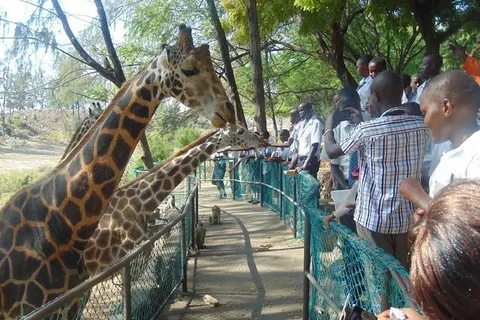
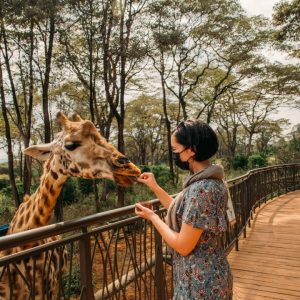
Standing face-to-face with a giraffe as its long tongue wraps around pellets in your palm isn’t something you forget. That’s the kind of moment waiting for you at Haller Park – a place where an industrial wasteland became one of Kenya’s most inspiring wildlife sanctuaries.
Located just 12 kilometers north of Mombasa along the Malindi Road, this 200-hectare nature park proves what’s possible when humans commit to healing environmental damage. What started as barren limestone quarries in the 1970s now hosts hippos, crocodiles, giant tortoises, and those famous giraffes everyone comes to meet.
Whether you’re planning a family outing or searching for authentic wildlife encounters near Mombasa’s beaches, here’s everything you need to know before visiting.
What Makes Haller Park Special?
Dr. René Haller didn’t set out to create a tourist attraction. The Swiss ecologist faced an abandoned cement quarry – sun-scorched, lifeless, with temperatures hitting 40°C on the exposed ground. Most people would’ve walked away.
Instead, he planted one million casuarina trees between 1971 and the early 1980s. These hardy Australian natives survived where 25 other species failed. Once the trees created shade and dropped leaves, Haller introduced millipedes to break down the organic matter. Insects followed, then birds, then small mammals. Nature took over from there.
The United Nations Environmental Programme recognized this achievement with their Global 500 Roll of Honour award. Today, the park shelters over 30 endangered species and welcomes 160,000 visitors each year.
But there’s another reason people know this place. In 2004, an orphaned baby hippo named Owen washed ashore after the Indian Ocean tsunami. Park staff placed him in an enclosure with Mzee, a 130-year-old tortoise. The unlikely friendship between hippo and tortoise became international news, featured in books and documentaries worldwide.
Entry Fees & Costs (2025 Rates)
Haller Park uses different pricing for East African residents and international visitors:
Adults:
- East African Citizens: KSh 800
- Non-Residents: KSh 2,200
Children (3-12 years):
- East African Citizens: KSh 400
- Non-Residents: KSh 1,000
Toddlers under 3: Free entry
Bring your ID or passport if you want resident rates – they check at the gate. The ticket covers a full day, though most people spend two to three hours exploring.
Extra Costs:
- Giraffe feeding pellets: KSh 200-300
- Guided tours: Available at entrance (negotiable rates)
- Bicycle rental for forest trails: KSh 300
Payment options include cash (Kenyan Shillings) or M-Pesa. Cards aren’t widely accepted.
Schools get discounted group rates when booking ahead. Contact the park directly at +254 722 410064 for group arrangements.
Getting There
The park sits right off Mombasa-Malindi Road in Bamburi, next to the old cement factory. GPS coordinates: -4.0336° S, 39.7167° E.
By car from Mombasa: Head north across Nyali Bridge, continue on Links Road which becomes the highway. Look for Haller Park signs after Bamburi Beach. Free parking available. Journey takes 20-30 minutes.
By matatu: Catch any Malindi-bound matatu from Mombasa’s main stage. Tell the conductor “Haller Park” – fare runs about KSh 50-100. You might walk a short distance from where they drop you.
By Uber/Bolt: Just enter “Haller Park” in the app. Expect KSh 500-800 from Mombasa town.
By tuk-tuk: Negotiate beforehand. From Nyali or Bamburi areas, KSh 300-500 is reasonable.
Best Time to Visit
Here’s what five years of bringing tourists here taught me: arrive around 2:00 PM.
The park opens daily from 8:00 AM to 4:30 PM, but timing matters. Three feeding sessions happen every afternoon:
- 2:45 PM – Giraffe feeding (the main event)
- 4:00 PM – Hippo feeding
- 4:30 PM – Crocodile feeding
Miss these, and you miss the best parts. Animals are most active when food appears. The viewing platforms get crowded, so showing up by 2:30 PM gives you good spots.
Early mornings (8:00-11:00 AM) work if you prefer bird watching or want fewer people around. The forest trails stay cool under tree cover, and birds are vocal. But you’ll skip the feeding sessions.
Avoid late morning through early afternoon (11:00 AM-2:00 PM). The sun beats down hard, animals hide in shade, and you’ll be sweating through your shirt.
Weekdays vs. Weekends: Weekdays are quieter, especially Monday through Wednesday. School groups often visit Thursdays. Weekends bring local families but never feel overcrowded.
Seasons: Kenya’s dry months (January-March, July-October) offer reliable weather. Rainy seasons (April-June, November-December) make everything greener, though occasional showers interrupt visits. Bring rain gear if traveling during wet months.
What You’ll See & Do
Feeding the Giraffes
This is why people come. A raised wooden platform puts you at giraffe eye level. As you hold out pellets, these gentle giants lean in with their long dark tongues and delicately take the food. Kids squeal. Adults laugh nervously. Everyone takes photos.
The pellets cost extra (KSh 200-300) but worth every shilling. Get to the platform by 2:30 PM – it fills up fast. Rangers share stories about each giraffe’s personality while you feed them.
Wash your hands afterward at the sinks provided.
Watching Sally and Potty (The Hippos)
At 4:00 PM, rangers toss food into the pond and these massive hippos emerge. Sally came from Naivasha after getting too aggressive. Potty was abandoned by a circus. They’ve been friends for decades.
Their mouths open impossibly wide, showing impressive teeth. The grunting and splashing draws crowds. Rangers explain hippo behavior and their role in the park’s ecosystem – their waste fertilizes the water, feeding algae that feeds the fish.
Crocodile Feeding Time
The 4:30 PM crocodile session shows raw predator power. Over 20 Nile crocodiles, from small to massive, launch from the water to snatch meat mid-air. It’s a reminder why you don’t swim in crocodile waters.
The Butterfly Pavilion
Walk through an enclosed garden where hundreds of butterflies flutter around you. Some might land on your shoulders – wear bright colors to attract them. Information boards explain the butterfly life cycle. On lucky days, you’ll see butterflies emerging from chrysalises.
Bring a camera, move slowly, and be patient.
Reptile House
Python species, cobras, mambas (safely behind glass), chameleons that change color, monitor lizards, and various other reptiles fill this section. Staff sometimes do demonstrations about identifying dangerous snakes.
Educational and fascinating, especially for kids learning about biodiversity.
Forest Trails & Bird Watching
Several kilometers of shaded paths wind through the transformed forest. Hard to believe this was bare rock fifty years ago. The dense canopy provides relief from the heat.
Bird watchers bring binoculars – over 160 species recorded here. African fish eagles, kingfishers, herons, hornbills, sunbirds, and countless others. Mornings are best for bird activity, but afternoon forest walks stay pleasant.
Giant Tortoises
Ancient tortoises plod around their enclosures, some over 100 years old. Mzee, the famous tortoise who befriended Owen the hippo, lived here until passing away. Other tortoises continue delighting visitors with their slow, wise presence.
How Long You’ll Need
Quick visit (1 hour): Possible if you only catch giraffe feeding and glance at hippos/crocodiles. You’ll miss most of what makes the park special.
Standard visit (2-3 hours): Most people’s choice. Time for all feeding sessions, a nature trail walk, butterfly pavilion or reptile house, plus photos. This feels unhurried.
Full experience (3-4 hours): For nature enthusiasts, photographers, or families wanting everything. Walk all trails, visit every exhibit, watch all feedings, read the educational displays. Grab lunch at the on-site restaurant.
School trips: Often book half-day programs (3-5 hours) with guided tours and structured learning activities.
Practical Tips From Experience
What to wear:
- Comfortable closed-toe shoes (trails can be uneven)
- Light, breathable clothes
- Hat for sun protection
- Neutral colors work better for wildlife viewing
What to bring:
- Water bottle (stay hydrated)
- Sunscreen and reapply often
- Camera with charged battery
- Small backpack
- Cash (KSh 500-1,000 covers extras)
- Insect repellent for morning visits
Photography tips:
- No flash near animals
- Use burst mode during feedings
- Arrive early at giraffe platform for best angles
- Bring zoom lens for crocodiles and hippos
Safety reminders:
- Stay on marked paths
- Don’t feed animals except during sessions
- Watch children near water
- Secure loose items (monkeys steal)
- Follow ranger instructions
Making most of feedings:
- Arrive 15 minutes early
- Have camera ready but experience the moment too
- Ask rangers questions
- Be respectful of other visitors
The on-site restaurant serves drinks, snacks, and meals including tilapia from their fish farm. Prices are fair. Clean toilets available throughout.
Wildlife You’ll Encounter
Beyond giraffes, hippos, and crocodiles, expect to see:
- African buffaloes (Big Five species)
- Elands and oryx (graceful antelopes)
- Vervet and Sykes monkeys in the trees
- Numerous waterbirds (herons, egrets, kingfishers, fish eagles)
- Giant tortoises over a century old
- Rescued birds of prey in the Owl Banda
- Fish farming ponds with large tilapia
The Reptile House contains pythons, venomous snakes (safely enclosed), chameleons, and monitor lizards.
The diversity is remarkable for such a compact area – testament to successful ecological restoration.
Combining with Other Attractions
Maximize your Mombasa day by pairing Haller Park with nearby spots:
Fort Jesus (20 minutes away): UNESCO World Heritage historical site. Morning history tour, afternoon wildlife experience works perfectly.
Mombasa Marine Park (15 minutes): Snorkel among coral reefs in the morning, visit Haller Park for afternoon feedings. Complete land and sea experience.
Nguuni Nature Sanctuary (15 minutes): Quieter alternative with similar wildlife. Visit both to compare conservation approaches.
Bamburi Beach (10 minutes): Combine nature morning with beach afternoon. Perfect vacation day balance.
Frequently Asked Questions
Is Haller Park worth it?
Absolutely. The giraffe feeding alone justifies the visit. Add in hippos, crocodiles, butterflies, and the amazing restoration story – it’s one of Mombasa’s best value attractions.
Is it safe for children?
Very safe. Designed with families in mind. Pathways are maintained, viewing areas have barriers, rangers supervise feedings. Normal parental supervision required, especially near water and monkeys.
Can I bring food?
Yes, you can bring your own food and drinks. The park also has a restaurant and snack bar with reasonable prices.
Do I need a guide?
Not mandatory – the park is well-signposted. But guides enhance the experience with deeper knowledge about ecology, restoration history, and animal behaviors.
What if it rains?
The park stays open year-round. Rainy season makes everything greener. Bring rain gear and waterproof bags for electronics. Most paths remain accessible.
How different from a safari?
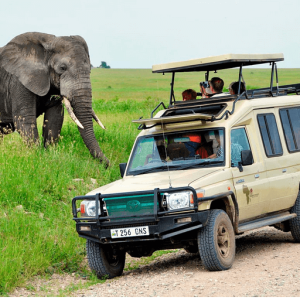
Haller Park offers close encounters impossible on traditional safaris. You won’t see lions or elephants, but you’ll feed giraffes face-to-face and learn about conservation in an intimate setting.
Why This Park Matters
Haller Park represents more than wildlife viewing. It’s proof that environmental destruction can be reversed. The barren quarries transformed into thriving ecosystems demonstrate what’s possible with knowledge, patience, and commitment.
Walking those shaded forest trails, knowing they didn’t exist fifty years ago, inspires hope. If we can turn industrial wasteland into habitat for endangered species, what else can we heal?
That lesson – combined with unforgettable giraffe encounters and entertaining hippo feedings – makes Haller Park special. Not just for tourists, but for anyone who cares about our planet’s future.
Plan your afternoon visit, bring your camera and sense of wonder, and prepare for one of Mombasa’s most rewarding experiences.


Comment (0)