
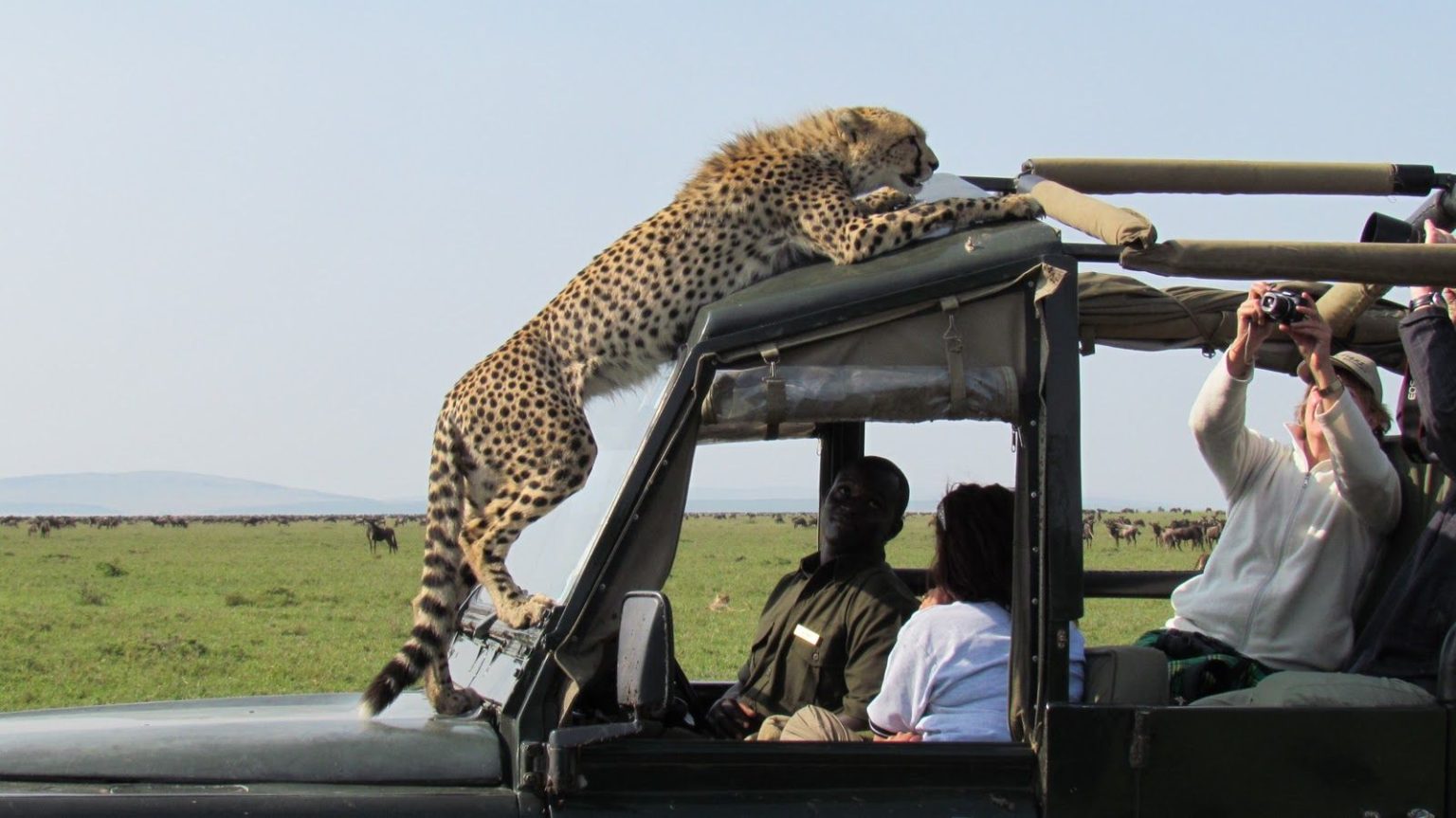
Welcome to the Kenya Wildlife Safari Packages. Last week, a couple from Germany asked me if their $1,200 safari would be “good enough” compared to the $4,500 package their friends booked. Three days later, they watched a leopard carry a kill up a tree while their “luxury” friends were stuck in traffic back at a crowded lodge.
That pretty much sums up safaris in Kenya—price doesn’t guarantee memories.
I’m Peter, and I’ve been running Pega Tours from Nakuru since 2012. Started with one beat-up Land Cruiser and a dream. Now we’ve got a small fleet and guides who’ve forgotten more about animal behavior than most wildlife documentaries teach.
This guide comes from actual experience—the mistakes we made, the packages that worked, the ones that didn’t, and what over 3,000 guests taught us about planning Kenya wildlife safari packages that actually deliver.
Why Kenya Keeps Beating Other Safari Countries
Every few months, someone asks if they should do Tanzania instead. Or Botswana. Or South Africa. My answer? Those places are fantastic. Go if you want. But you’ll probably end up in Kenya eventually anyway.
Here’s the deal with Kenya. We’ve got the Big Five walking around like they own the place (which, technically, they do). Lions in the Mara aren’t hiding—they sleep right next to the road sometimes. Our elephants in Amboseli? They’ll walk past your vehicle so close you can hear them breathing.
But that’s not the special part. The special part is variety.
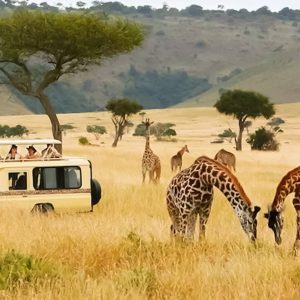
Two weeks ago, we had a family do breakfast with giraffes at the Giraffe Centre in Nairobi. By lunch, they were watching elephants against Kilimanjaro in Amboseli. Dinner was spent listening to hippos grunt outside their tent in the Mara. That’s three completely different experiences in 48 hours, all within driving distance.
The Great Migration between July and October is ours. Yeah, it crosses into Tanzania’s Serengeti, but the river crossings—the really dramatic stuff—happen on our side. I’ve watched crocodiles take down zebras, seen wildebeest trampled in the chaos, witnessed calves separated from mothers in the madness. Nature documentary crews camp here for weeks trying to capture what our guests see on random Tuesday mornings.
Something most tourists don’t realize until they arrive: Kenya stays incredible even when the migration leaves. We’ve got resident lion prides that stick around year-round. Leopards in the Mara are so reliable that our guides know individual cats by their spot patterns. Dennis (one of our senior guides) can predict where certain leopards will be based on time of day and season.
The Different Safari Packages (And Who They’re Actually For)
Budget Safaris – Way Better Than People Think
Budget safaris get treated like the economy class of wildlife viewing. That’s nonsense. You’re looking at the same animals, just sleeping in simpler beds.
Here’s what budget actually means: You’ll share a safari vehicle with maybe 4-6 other people. Everyone gets a window seat (our vehicles have pop-up roofs), so don’t worry about bad views. Your guide is the same experienced person leading luxury trips—we don’t have “budget guides” and “premium guides.”
Accommodation is basic tented camps or simple lodges. Clean sheets, mosquito nets, shared bathrooms with hot water (usually). Meals are simple—think rice, stew, vegetables, fruit. Nothing fancy, but you’re not going hungry.
The best part about budget safaris? The people. Solo travelers especially love these because you’re automatically part of a group. Last month we had a budget group that stayed in touch after the trip and planned a reunion in Germany. That doesn’t happen in luxury lodges where everyone keeps to themselves.
Cost runs $350-$600 for three days depending on season and which parks you hit. For students, backpackers, or anyone who thinks spending $3,000 on a bed is crazy, this works perfectly.
Mid-Range Packages – What Most People Actually Pick
About 70% of our bookings fall here, and after 12 years, I understand why. It’s the goldilocks zone—comfortable enough to enjoy, affordable enough to actually book.
You get your own private vehicle. Just your group. Want to stay watching elephants for an extra 30 minutes? No problem. Everyone else on a schedule? Not your concern. That flexibility alone is worth the upgrade for most people.
Lodges at this level are comfortable. Private bathrooms, hot showers, decent meals, usually a swimming pool. Nothing will blow your mind, but after eight hours bouncing around in a Land Cruiser, that shower and pool feel like heaven.
The food improves significantly too. Breakfast buffets with eggs, toast, fruit, proper coffee. Lunch is packed boxes during game drives—sandwiches, chicken, fruit, juice. Dinner is usually a buffet with multiple options including vegetarian.
We price these around $900-$1,800 for six days, depending on which parks and the specific lodges. It’s what I’d book for my own family if they came to visit.
Luxury Safari Packages – For When Money Isn’t the Question
Real talk about luxury safaris: they’re genuinely incredible if that’s your travel style. But you’re not seeing different animals—you’re experiencing the same wildlife with significantly better amenities.
“Tented camps” at luxury level means canvas roofs over actual rooms with king beds, rainfall showers, private decks, sometimes plunge pools. Some have air conditioning (rare in safari camps). The food is restaurant-quality—think multiple courses, wine pairings, chef preparing meals to order.
One of our regular luxury camps has a photographer on staff who’ll go on drives with you and teach proper wildlife photography. Another has a spa where you can get a massage while overlooking a waterhole where elephants come to drink.
The experience most luxury guests rave about is hot air balloon safaris over the Mara. You’re up at 5am, in the balloon by 6am, floating over the plains at sunrise watching wildlife wake up below. Then you land in the middle of nowhere for champagne breakfast. Costs an extra $450, but honestly, everyone who does it says it was worth it.
These packages start around $3,000 and can hit $6,000+ for a week. You’re paying for exclusivity, exceptional service, premium locations, and yeah, some bragging rights.
Family Packages – Because Kids Experience This Differently
Taking kids on safari requires different planning. We learned this the hard way years ago when we used adult itineraries for families and kids melted down by day two.
Young kids (under 10) can’t handle 6-hour game drives. They just can’t. Good family packages build in shorter drives—maybe 3-4 hours max—with longer breaks at lodges.
The lodges matter more with kids too. Swimming pools are basically mandatory for afternoon downtime. Family rooms or connecting tents keep everyone together. Some lodges run “junior ranger” programs where kids get activity books, learn animal tracking, help guides spot wildlife. Transforms them from bored passengers into engaged little safari experts.
We also set different expectations with parents. You’re not sitting for 45 minutes watching a distant leopard with a 7-year-old. But elephants playing in mud? Baby warthogs running around? Lion cubs wrestling? Those moments grab kids’ attention naturally.
Group Safaris – The More People, The Cheaper It Gets
Groups are interesting because the logistics get complex but the per-person costs drop significantly.
We’ve handled everything from 8-person friend reunions to 40-student school trips. Once you hit 6+ people, group discounts kick in. At 12+ people, the savings get substantial because you’re filling entire vehicles and sometimes booking entire sections of lodges.
The catch is coordinating everyone. Different dietary needs, varying budgets, some people want early drives while others want to sleep in. That’s where having an experienced operator matters—we’ve sorted out way more complicated logistics than most groups throw at us.
Quick Comparison of What You Actually Get
| Package Type | How Long | Where You’ll Go | Where You’ll Sleep | Real Cost |
|---|---|---|---|---|
| 3-Day Mara Budget | 3 Days | Just Masai Mara | Basic camp, shared facilities | $350-$500 |
| 6-Day Classic Tour | 6 Days | Mara, Nakuru, Amboseli | Mid-range lodges, private rooms | $1,200-$1,600 |
| 8-Day Luxury Experience | 8 Days | Mara, Samburu, Amboseli, Nakuru | Premium tented camps | $3,500-$5,000 |
Prices change based on season—peak season (July-October) costs 30-40% more.
The Parks Worth Your Time (And One You Can Skip)
Masai Mara – The One Everyone Gets Right
If you only do one park in Kenya, make it the Mara. Not even a question.
Migration season (July-October) is spectacular, obviously. But here’s what surprised me after years of guiding: the Mara is phenomenal even when the migration is gone. The resident lion prides stay put. We regularly see 15-20 lions in a single day during March when the park is “empty.”
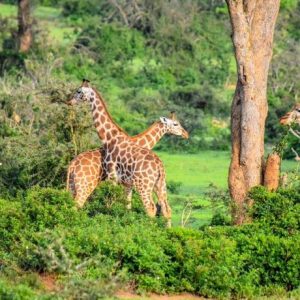
What makes the Mara special is the landscape. Rolling grasslands where you can see for miles. When there’s wildlife, you spot it easily rather than squinting into thick bush hoping to glimpse something. I’ve had days where we saw lions, cheetahs, leopards, elephants, hippos, and massive buffalo herds all before lunch.
The park is big enough that you’re not tripping over other safari vehicles (unlike some parks that feel like traffic jams), but compact enough that you’re not driving six hours between animal sightings.
Amboseli – Instagram Was Made for This Park
Amboseli has one thing no other park can match: Kilimanjaro rising directly behind elephants. On clear mornings (best odds are June-October), that mountain dominates the horizon. It’s almost stupidly photogenic.
The elephant herds here are legendary. Some of the bulls have tusks that nearly touch the ground—genetics that are increasingly rare in Africa. The swamps fed by Kilimanjaro’s snowmelt keep wildlife concentrated, so you’re pretty much guaranteed good sightings.
It’s also a smaller park, which works in your favor. You can cover it thoroughly in 1-2 days, making it perfect for itineraries where you’re hitting multiple destinations.
One warning: dust storms happen in dry season. Like, can’t-see-the-vehicle-in-front-of-you dust storms. Bring a buff or scarf to cover your face during game drives.
Lake Nakuru – Compact and Surprisingly Good
Nakuru used to be famous purely for flamingos. Millions of them turning the lake pink. That still happens sometimes, but water levels and algae conditions vary, so the flamingos come and go.
What’s made Nakuru increasingly valuable is the rhino sanctuary. Both black and white rhinos live here in decent numbers. We’ve had drives where guests spotted six different rhinos, which is almost unheard of elsewhere given how endangered these animals are.
The park is compact—one of Kenya’s smaller ones—which means you can cover significant ground in half a day. Perfect for travelers on tight schedules or as an add-on between bigger parks.
Bird watchers obsess over Nakuru. Over 450 species recorded. If you’re into birds, bring binoculars and a good field guide.
Samburu – When You Want Something Different
Samburu feels like a different planet compared to the Mara’s lush grasslands. It’s semi-arid, harsh-looking, dominated by the brown Ewaso Nyiro River cutting through dry landscape.
But that harshness creates unique wildlife. The “Samburu Special Five” exist nowhere else in Kenya: Grevy’s zebras (bigger than normal zebras with narrower stripes), reticulated giraffes (their patterns look like stained glass), Somali ostriches (the males have blue necks), beisa oryx, and gerenuk (weird gazelles that stand on hind legs to eat from trees).
We also see regular elephants, lions, leopards, and occasionally wild dogs. It’s less crowded than the Mara, which some guests prefer. Feels more remote and wild.
Best time is June through October when animals concentrate along the river during dry season.
Tsavo East & West – Raw Africa (Maybe Too Raw)
Tsavo is Kenya’s largest park system. Combined, Tsavo East and West cover about 4% of Kenya’s total land area. That’s massive.
Tsavo East is famous for red elephants—they dust-bathe in iron-rich red soil that stains them orange-red. Distinctive look, great for photos.
Tsavo West is more varied: volcanic hills, natural springs, ancient lava flows. Mzima Springs has an underwater viewing chamber where you watch hippos and crocodiles from below water level. Kids love it.
Here’s the honest assessment: Tsavo is genuinely wild but wildlife is more spread out than compact parks. You’ll drive longer distances between sightings. Some people love that authentic wilderness feel. Others find it frustrating after the easy viewing in places like Nakuru.
We usually recommend Tsavo for people who’ve already done the main parks and want something different, not first-timers.
What Each Park Actually Delivers
| Park | The Main Draw | When to Visit | What You’ll See For Sure |
|---|---|---|---|
| Masai Mara | Big cats and migration | July-Oct (best), year-round (good) | Lions, elephants, wildebeest (if timed right) |
| Amboseli | Elephants with Kilimanjaro | June-Oct, Jan-Feb | Elephant herds, scenic photos, dust |
| Lake Nakuru | Rhinos and convenience | Year-round | Rhinos, baboons, sometimes flamingos |
| Samburu | Unique species | June-Oct | Grevy’s zebra, special giraffes, elephants |
| Tsavo | Wilderness and space | June-Oct | Red elephants, vast landscapes, fewer tourists |
What Safaris Actually Cost (With Real Numbers)
Money conversations make people uncomfortable, but I’d rather be straight with you upfront.
Budget safaris for 3 days cost $350-$600 per person. That covers shared transport, basic accommodation, meals, park fees, and a guide. It’s exactly what it sounds like—basic but functional.
Mid-range safaris run $900-$1,800 per person for 6 days. Private vehicle, comfortable lodges, all meals, park fees, experienced guide. This is where most people’s budgets and comfort expectations meet.
Luxury safaris start at $3,000 and can exceed $6,000 per person for a week. Premium camps, exceptional food, often scenic flights between parks to save driving time, plus extras like balloon safaris.
What affects these prices?
Season matters enormously. July-October (peak season) costs 30-50% more than April-May (low season). Same parks, same lodges, different prices based purely on demand.
Number of parks adds up. Each park charges entry fees—currently around $70-80 per person per day in places like the Mara. Hit three parks instead of one, and those fees triple.
Accommodation is the biggest variable. Budget camp might charge $40 per person. Mid-range lodge around $150. Luxury camps can charge $500-800 per person per night.
Group size changes everything. Solo travelers pay premiums because you’re not sharing vehicle costs. Couples split costs between two. Groups of 4-6 get the best per-person rates.
Duration creates value. Longer trips have better per-day economics because some costs (like vehicle, guide) are spread over more days.
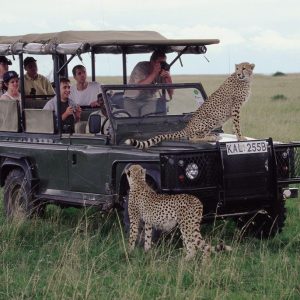
One thing I always tell people: expensive safaris can disappoint, cheap safaris can be magical. Price guarantees comfort level, not wildlife sightings or memories. We’ve had budget groups see more animals than luxury guests simply because timing and luck matter more than money.
What Your Money Actually Pays For
People get confused about inclusions, so here’s the breakdown:
| What’s Covered | What’s Not Covered |
|---|---|
| All park entry fees (these are expensive) | Your international flight to Kenya |
| Accommodation every night | Travel insurance (get this) |
| Three meals daily (breakfast, lunch, dinner) | Alcohol and soft drinks at lodges |
| All game drives with experienced guide | Tips for guides and lodge staff |
| Private safari vehicle (mid-range and up) | Kenya visa ($50 for most countries) |
| Airport pickup and dropoff | Optional extras like balloon safaris |
| Bottled water during game drives | Souvenirs and personal shopping |
Always confirm inclusions before booking. Reputable operators are transparent about what’s included and what costs extra. If someone’s vague about it, that’s your red flag to ask more questions or walk away.
Why People End Up Booking With Us
I’m obviously biased here, but let me explain why we think Pega Tours is worth considering.
We’re actually Kenyan. Our office is in Nakuru, not some foreign country where someone’s never seen a safari. I grew up here, know these parks, and employ guides who’ve been doing this for decades. That local knowledge matters when you’re tracking a leopard or finding the best spots for photography.
Our guides are the difference honestly. Dennis, John, Fancy, Martin—these guys get mentioned in reviews constantly. They don’t just drive around pointing at animals. They explain behavior, predict movements, position vehicles perfectly for photos, and somehow make 4-hour drives entertaining with stories about previous safaris.
We customize everything. Hate early mornings? We’ll adjust the schedule. Want more time photographing birds? Done. Traveling with elderly parents who can’t handle bumpy roads? We pick smoother routes and more accessible lodges. Cookie-cutter itineraries work for some people, but most appreciate flexibility.
Our vehicles get maintained properly. Sounds basic, but breakdowns happen with poorly maintained safari vehicles. We service ours religiously because a broken Land Cruiser 60 kilometers from camp ruins everyone’s day.
Transparent pricing is our policy. What we quote is what you pay. No hidden park fees appearing later, no surprise charges, no “optional” costs that turn out mandatory.
We’re licensed and insured properly. Kenya has standards for tour operators. We meet them, carry comprehensive insurance, and operate legally. Some cheaper operators… don’t. That matters if something goes wrong.
Someone’s reachable 24/7. Issues happen—lost passports, flight delays, sudden illness. Last year a guest lost their passport three days into a safari. We had someone at the embassy the next morning sorting it. Problems get fixed, not ignored.
Our track record speaks louder than my marketing. 84 Google reviews, almost all five-stars, from people from Russia, Germany, Japan, India, the UK, everywhere. We’ve made mistakes (weather delayed a group once, terrible luck), but we fixed things and made it right.
When to Actually Come to Kenya
June through October is peak season for good reason. Dry weather concentrates animals at water sources, making viewing easier. Roads are passable everywhere. Temperatures stay pleasant—20-28°C (68-82°F) during the day.
The Great Migration’s dramatic river crossings happen July-September in the Mara. If that’s your specific goal, book those months and book early because lodges fill up months in advance.
But here’s what people miss: November through May isn’t bad at all. Yeah, there’s more rain (especially April-May), but the benefits are real. Prices drop 30-40%. Parks are way less crowded. Landscapes turn lush and green instead of brown and dusty. Baby animals are everywhere, which increases predator activity because hunting is easier.
Photography can actually be better during low season—dramatic clouds, vibrant colors, less dust in the air. Just expect afternoon rain showers some days.
December through February is warm and dry—another excellent window that’s technically “low season” but feels like peak season for wildlife viewing, just without the migration.
Honest answer? There’s no terrible time for a Kenya safari. Even during heavy rains, you typically get 4-5 hours of sunshine most days. Game drives happen early morning and late afternoon anyway, which is usually when it’s dry.
How to Choose Your Safari Package Without Overthinking It
People overthink this constantly. Let me simplify.
Start with your actual budget. Be realistic. If you’ve got $1,500 total, don’t waste time researching $5,000 luxury lodges. Focus on what you can actually afford.
Then decide how long. First-time safari? Minimum three days, but that’s rushed. Six days is the sweet spot—enough time for 3-4 parks without feeling like you live in a vehicle. Ten days is great if you’ve got the time and budget.
Pick parks based on interest. Masai Mara is basically mandatory for first-timers. After that: Amboseli if you want elephants and photography, Nakuru if you’re short on time, Samburu if you want something different.
Choose accommodation philosophy. Are you someone who needs comfort to enjoy travel? Go mid-range or luxury. Got a backpacker mentality where the destination matters way more than the bed? Budget is fine.
Private vs shared matters for couples and families. Groups of friends traveling together? Shared can be fun and cheaper. Honeymoon or romantic trip? Pay for private.
Tell your operator about special interests. Serious photographer? Bird watcher? Want cultural village visits? Packages get customized around these things.
Stop trying to see everything. That’s mistake number one. Three parks in six days is better than five parks in six days where you spend half your time driving.
Practical Stuff I Wish Someone Had Told Me Before My First Safari
Clothing matters more than you’d think. Neutral colors (khaki, olive, brown, tan) aren’t safari fashion—they’re functional. Bright colors can spook animals. Black attracts tsetse flies. White shows dust instantly.
Pack layers because mornings are cold (like 15°C/59°F cold) when you leave at 6am, but by 11am you’re down to a t-shirt. Bring a warm jacket or fleece for those early drives.
Camera gear—zoom is everything. Phone cameras work fine for elephants 20 meters away. They’re useless for distant leopards. A decent zoom lens (200-400mm if you’ve got one) makes a huge difference. Otherwise bring good binoculars.
Pack extra memory cards and batteries. You’ll take thousands of photos. I’ve seen people fill 64GB cards in three days.
Health prep is straightforward. Malaria risk exists in most safari areas. Talk to your doctor about prophylaxis—usually just daily pills. Yellow fever vaccination is required if you’re coming from certain countries (check the list). Bring basic meds for stomach issues because they happen sometimes.
Money in Kenya: We use Kenya shillings, but US dollars are widely accepted at lodges. ATMs exist in Nairobi and major towns but not in parks. Credit cards work at upscale lodges, nowhere else. Mobile money (M-Pesa) is everywhere but complicated for tourists.
Safari etiquette keeps everyone safe. Stay quiet during game viewing—animals spook at loud noises. Never stand up or hang out of vehicles unless your guide specifically says it’s safe. Don’t litter obviously. Follow guide instructions immediately—they’re keeping you alive around animals that could kill you.
Visa for Kenya: Most nationalities get e-visas online before traveling. Costs $50, takes about a week to process. Super straightforward on the government website.
Questions Everyone Asks Us about Kenya Wildlife Safari Packages
What do Kenya safaris actually cost?
Depends on comfort level. Budget: $350-600 for three days. Mid-range: $900-1,800 for six days. Luxury: $3,000-6,000 for a week. Those are real numbers based on what we charge and what competitors charge.
What’s the single best month?
August if you want to see migration river crossings. June or October if you want great wildlife with fewer crowds and better prices. Honestly though, any month June-October is excellent.
Can you really customize packages?
Yes, completely. Want four days in the Mara instead of two? Done. Need vegetarian meals throughout? Easy. Want to skip early morning drives and sleep in? Your money, your choice. Flexibility is the main reason to book with local operators instead of big international companies.
Is Kenya safe for tourists?
In safari areas? Absolutely yes. Kenya’s tourism infrastructure is mature and secure. National parks are genuinely safe. We’ve run safaris for 12 years without security incidents. Nairobi requires normal city caution like any large city. Safari regions are completely safe.
Masai Mara or Amboseli if I can only pick one?
Mara for most people. Better variety of wildlife, big cats, migration potential. Amboseli if elephants and photography are your specific priorities. Ideal scenario? Do both—they’re different enough to justify visiting both.
Can solo travelers join group trips?
Yes, we run scheduled departures where solo travelers join existing groups. Cuts costs significantly and many solo travelers enjoy meeting others. Private solo trips are possible too but expensive since you’re covering all vehicle costs alone.
Time to Stop Reading and Actually Go
Here’s what I’ve learned after 12 years and over 3,000 guests: people spend way too much time planning safaris.
They research for months, compare lodge reviews, analyze itineraries down to the hour, stress about picking the “perfect” package. Then they arrive in Kenya, see their first elephant herd, and realize none of that micro-analysis mattered.
What actually matters is being present when a cheetah stalks prey, when baby elephants play in mud, when the sun sets over the Mara with a million wildebeest silhouetted everywhere. Those moments don’t care if you’re in a budget camp or luxury lodge. The lions don’t check your booking confirmation before appearing.
We handle logistics—vehicles, lodges, park fees, meals, guides—so you can focus on the actual experience. Whether you’re on a tight budget or spending freely, traveling solo or with family, we’ve designed Kenya wildlife safari packages that work.
Ready to actually book instead of just planning? Contact us through WhatsApp (+254…), email ([email protected]), or the form on our website. Tell us your dates, rough budget, and what you hope to see. We’ll send customized options within 24 hours. No pressure, no pushy sales tactics, just honest recommendations.
Or keep researching for another few months. We’ll still be here when you’re ready.
But Kenya’s wildlife isn’t waiting. Sometimes you just need to book the flight and trust that experienced local operators know what they’re doing.
Let’s make this safari happen.


Comment (0)