
Looking for the best places to visit in Kenya? You’ve found the right guide. After spending over a decade exploring Kenya’s wildlife reserves, pristine beaches, and hidden gems, I can confidently say this East African nation offers something extraordinary for every traveler.
Whether you’re searching for the best places to visit in Kenya for safari, stunning beaches, or mountain adventures, this comprehensive guide covers everything you need to know. From the iconic Maasai Mara to the tranquil shores of Lamu Island, discover the top places to visit in Kenya in 2025 that will make your trip unforgettable.
Why Kenya Should Be Your Next Destination
Kenya isn’t just another African country—it’s THE birthplace of safari tourism. With over 2 million visitors annually, Kenya continues to dominate as Africa’s premier wildlife destination.
Here’s what makes Kenya special:
- 60+ national parks and reserves protecting incredible biodiversity
- Home to the Big Five: Lions, leopards, elephants, buffalo, and rhinos
- The Great Migration: 2 million wildebeest crossing the Mara River
- Diverse ecosystems: From tropical beaches to snow-capped mountains
- Rich cultural heritage: Over 40 ethnic groups with unique traditions
My first encounter with a lion pride in Maasai Mara changed my perspective on wildlife forever. That raw, unfiltered connection with nature is what keeps travelers coming back to Kenya year after year.
Quick Kenya Travel Overview
| Factor | Details |
|---|---|
| Best Time to Visit | June-October (dry season), January-February (fewer crowds) |
| Visa Requirements | E-visa required ($50 USD) for most nationalities |
| Budget Per Day | $100-$150 (budget), $200-$350 (mid-range), $500+ (luxury) |
| Recommended Duration | 7-10 days (safari + beach combination) |
| Main Airport | Jomo Kenyatta International Airport (Nairobi) |
| Currency | Kenyan Shilling (KES) – $1 USD ≈ 130 KES |
Top 10 Best Places to Visit in Kenya
1. Maasai Mara National Reserve – Kenya’s Crown Jewel
Why Visit: Highest lion density in Africa, Great Migration spectacle
The Maasai Mara ranks as the #1 safari destination in Kenya—and for good reason. Spanning 1,510 square kilometers, this reserve delivers consistent wildlife viewing year-round.
What Makes It Special:
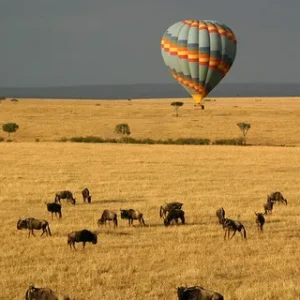
- The Great Migration (July-October): Over 2 million wildebeest and zebras cross the Mara River
- Big Cat Capital: Home to over 300 lions and numerous cheetah families
- Balloon Safaris: Float above herds at sunrise for breathtaking aerial views
- Maasai Culture: Visit authentic villages and learn warrior traditions
Best Time: July-October for migration, January-March for fewer crowds
Pro Tip: Book conservancy stays for exclusive game drives and night safaris. The Mara River crossings peak in August-September.
Estimated Cost: 35,000-80,000 KES per person per day (accommodation + activities)
2. Amboseli National Park – Elephant Paradise
Why Visit: Iconic Mount Kilimanjaro views, large elephant herds
Amboseli offers that postcard-perfect shot: elephants walking beneath Mount Kilimanjaro’s snow-capped peak. This 392 sq km park is one of Kenya’s most photographed destinations.
Highlights:
- Elephant Research: Home to 1,500+ elephants, some with tusks reaching the ground
- Five Ecosystems: Open plains, acacia woodland, swamps, and marshes
- Bird Watching: 400+ species including pelicans and flamingos
- Cultural Visits: Maasai communities surrounding the park
Photography Tips: Visit 6-8 AM for clear Kilimanjaro views before clouds roll in. The mountain is visible only 40% of the time.
Best Season: June-October (dry), January-February (excellent visibility)
Average Cost: 25,000-65,000 KES per person daily
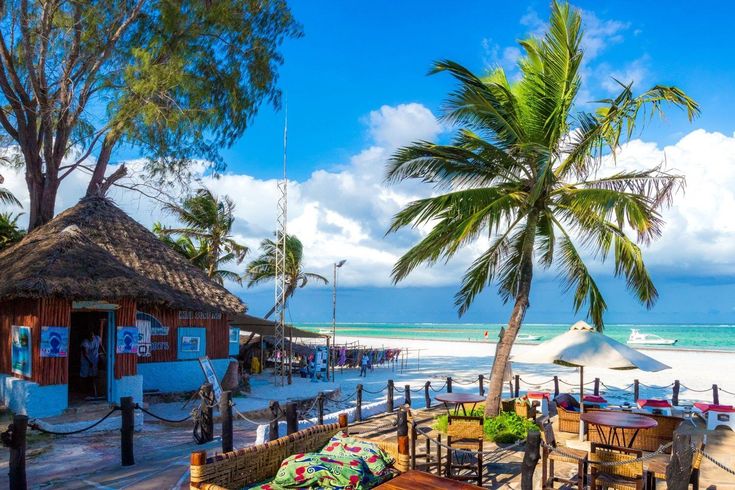
3. Diani Beach – Kenya’s Beach Paradise
Why Visit: White sand beaches, water sports, family-friendly
After dusty safari days, Diani Beach feels like heaven. This 17-kilometer stretch south of Mombasa consistently ranks among Africa’s best beaches.
Activities & Attractions:
- Water Sports: Kitesurfing (July-October), snorkeling, scuba diving
- Shimba Hills Reserve: Forest elephants and rare sable antelopes
- Colobus Conservation: Meet endangered Angolan colobus monkeys
- Dhow Sailing: Sunset cruises on traditional boats
Family-Friendly: Calm, reef-protected waters perfect for children
Best Time: October-March (calm seas), July-October (kitesurfing season)
Accommodation Range: 8,000-45,000 KES per night
4. Samburu National Reserve – The Hidden Gem
Why Visit: Unique wildlife species, authentic cultural experiences
Samburu showcases a completely different side of Kenya. Located in arid northern territory, this reserve features the rare “Samburu Special Five” found nowhere else in Kenya.
Unique Wildlife:
- Grevy’s Zebra: Larger with narrower stripes than common zebras
- Reticulated Giraffe: Distinctive geometric coat patterns
- Gerenuk: “Giraffe-necked antelope” that stands on hind legs
- Beisa Oryx: Long straight horns and striking markings
- Somali Ostrich: Blue-necked during breeding season
Leopard Hotspot: Excellent leopard sightings in riverine forests
Cultural Immersion: Visit Samburu villages for authentic tribal experiences
Ideal Visit: June-October, combine with Laikipia for a northern circuit
Daily Budget: 30,000-70,000 KES per person
5. Lake Nakuru National Park – Rhino Sanctuary
Why Visit: Black & white rhino viewing, flamingo spectacles
Just 2 hours from Nairobi, Lake Nakuru offers one of Kenya’s best wildlife experiences in a compact package (188 sq km).
Main Attractions:
- Rhino Sanctuary: High density of both black and white rhinos
- Flamingo Flocks: Up to 2 million flamingos create pink shorelines (seasonal)
- Leopard Sightings: Excellent chances in yellow-barked fever trees
- Bird Paradise: 450+ recorded bird species
Viewpoints: Baboon Cliff offers panoramic lake views
Perfect For: Day trips from Nairobi, combine with Lake Naivasha
Contact Pega Tours: +254722776094 for same-day bookings (Nakuru-based)
Entry Fee: 1,130 KES adults, 565 KES children
6. Lamu Island – UNESCO World Heritage Site
Why Visit: Car-free island, 700+ years of Swahili culture
Lamu Island transports you back centuries. No cars exist here—only donkeys navigate narrow stone streets lined with ancient coral houses.
Must-See Attractions:
- Lamu Old Town: Intricately carved wooden doors, hidden courtyards
- Shela Beach: 12 km of pristine, uncrowded sand
- Lamu Museum: Swahili history and maritime heritage
- Dhow Sailing: Traditional boat trips at sunset
Culinary Delights: Fresh seafood with Swahili spices—try coconut curry crab
Cultural Note: Dress modestly in town (Muslim community), beachwear OK on beaches
Best Period: July-March (avoid April-May rains)
Budget: 5,000-25,000 KES per night (guesthouses to boutique hotels)
7. Mount Kenya – Africa’s Second Highest Peak
Why Visit: World-class trekking, diverse ecosystems
At 5,199 meters, Mount Kenya offers incredible trekking without Kilimanjaro’s crowds. Point Lenana (4,985m) is accessible to fit hikers without technical climbing.
Trekking Routes:
- Sirimon-Chogoria Traverse: Most scenic (5 days)
- Naro Moru: Fastest but steepest (4 days)
- Chogoria Route: Beautiful approach through Gorges Valley
Ecological Zones: Montane forest → bamboo → moorlands → alpine peaks
Wildlife: Forest elephants, buffalo, colobus monkeys, rare bongos
Best Season: January-February, July-October (dry weather)
Trek Cost: 45,000-80,000 KES per person (guided 5-day trek)
8. Tsavo National Parks – Kenya’s Largest Wilderness
Why Visit: “Red elephants,” vast wilderness, Mzima Springs
Tsavo East and West combined cover 22,000 sq km—Kenya’s largest protected area. Tsavo is famous for its red elephants (dust-colored from volcanic soil).
Tsavo East Highlights:
- Mudanda Rock: Natural water hole and elephant viewing point
- Lugard Falls: Rapids on the Galana River
- Yatta Plateau: World’s longest lava flow (290 km)
Tsavo West Highlights:
- Mzima Springs: Crystal-clear springs with hippos and crocodiles
- Ngulia Rhino Sanctuary: Protected black rhino population
- Shetani Lava Flows: Dramatic volcanic landscapes
Best For: Off-the-beaten-path safari seekers
Ideal Duration: 2-3 days, combine with Amboseli
Cost Range: 20,000-55,000 KES per person daily
9. Hell’s Gate National Park – Walk Among Wildlife
Why Visit: Only park allowing walking and cycling safaris
Hell’s Gate breaks the safari mold—you can walk, cycle, and rock climb among wildlife. This makes it incredibly budget-friendly and unique.
Activities:
- Cycling Safaris: Rent bikes and ride among zebras and giraffes
- Rock Climbing: Fischer’s Tower and Central Tower challenges
- Gorge Hiking: Walk through dramatic canyons (Lion King inspiration)
- Geothermal Spa: Natural hot springs for relaxation
Wildlife: Zebras, buffalo, giraffes, warthogs, 100+ bird species
Perfect Day Trip: Combine with Lake Naivasha boat rides and Crescent Island
Distance from Nairobi: 90 km (2 hours)
Entry: 350 KES adults, bike rental 500 KES
10. Nairobi National Park – Urban Wilderness
Why Visit: Wildlife 7 km from city center, perfect for short visits
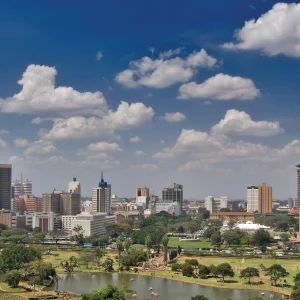
The world’s only national park within a capital city. See rhinos, lions, and cheetahs with Nairobi’s skyline in the background—surreal and wonderful.
Top Experiences:
- Game Drives: Early morning (6-8 AM) for active predators
- David Sheldrick Elephant Orphanage: Feed baby elephants (11 AM daily)
- Giraffe Centre: Hand-feed endangered Rothschild’s giraffes
- Ivory Burning Site: Historic monument against poaching
Perfect For: Arrival/departure day safaris, families with limited time
Duration: Half-day (4-5 hours) or full day
Entry: 1,500 KES adults (residents), $43 non-residents
Kenya Beach Destinations Comparison
| Beach | Best For | Activities | Crowd Level | Budget Range |
|---|---|---|---|---|
| Diani Beach | Families, water sports | Kitesurfing, diving | Moderate-High | $$ – $$$ |
| Lamu Island | Culture, romance | Dhow sailing, history | Low-Moderate | $$ – $$$$ |
| Watamu | Diving, marine life | Snorkeling, turtle watching | Low | $$ – $$$ |
| Malindi | Italian cuisine, nightlife | Water sports, historical sites | Moderate | $ – $$ |
Sample Kenya Itineraries
7-Day Classic Safari & Beach
Day 1: Arrive Nairobi → Nairobi National Park & Giraffe Centre
Day 2-3: Amboseli National Park (elephant viewing, Mt. Kilimanjaro)
Day 4-6: Maasai Mara (game drives, migration, cultural visit)
Day 7: Return Nairobi → Departure
Budget: 120,000-220,000 KES per person
10-Day Ultimate Kenya Experience
Day 1: Nairobi arrival & city tour
Day 2-3: Amboseli National Park
Day 4-6: Maasai Mara National Reserve
Day 7: Lake Nakuru National Park
Day 8-10: Diani Beach (relaxation & water sports)
Budget: 180,000-350,000 KES per person
5-Day Budget Safari
Day 1: Nairobi → Lake Nakuru (camping)
Day 2-4: Maasai Mara (camping safari)
Day 5: Return to Nairobi
Budget: 80,000-130,000 KES per person
Essential Kenya Travel Tips
When to Visit Kenya – Month by Month
☀️ Best Months (June-October)
- Peak safari season with dry weather
- Great Migration in Maasai Mara (July-October)
- Higher prices but guaranteed wildlife sightings
- Clear skies for Mount Kilimanjaro views
🌤️ Shoulder Season (January-February)
- Excellent wildlife viewing with fewer crowds
- Newborn animals attracting predators
- Best for photography (clear atmosphere)
- Competitive pricing
🌧️ Wet Season (March-May, November)
- Lowest prices and rates
- Lush green landscapes
- Birdwatching at its peak
- Some roads may be challenging
Kenya Visa Requirements 2025
- E-Visa Cost: $50 USD (most nationalities)
- Application: Apply online at evisa.go.ke
- Processing Time: 2-7 business days
- Validity: 90 days from issue date
- Stay Duration: Up to 90 days
Visa-Free: EAC citizens (Uganda, Tanzania, Rwanda, Burundi, South Sudan)
Health & Safety Essentials
Required Vaccinations:
- Yellow fever (if arriving from endemic countries)
- Routine vaccines (Hepatitis A/B, Typhoid, Tetanus)
Recommended Medications:
- Malaria prophylaxis (for safari areas and coast)
- Diarrhea medication
- Basic first aid kit
Safety Tips: ✅ Use reputable tour operators (like Pega Tours)
✅ Don’t walk alone at night in cities
✅ Keep valuables secure
✅ Follow wildlife viewing guidelines
✅ Drink bottled water
What to Pack for Kenya Safari
Clothing:
- Neutral colors (khaki, beige, olive) – avoid bright colors
- Warm layers for early morning drives
- Sun hat and sunglasses
- Comfortable walking shoes
- Swimwear (for beach/pool)
Essential Gear:
- Binoculars (8×42 or 10×42)
- Camera with zoom lens (300mm+)
- Sunscreen (SPF 50+)
- Insect repellent (DEET-based)
- Power adapter (Type G – UK style)
- Reusable water bottle
Documents:
- Passport (valid 6+ months)
- E-visa confirmation
- Travel insurance
- Vaccination certificates
- Hotel confirmations
Kenya Safari Costs Breakdown
Budget Safari (Camping)
- Accommodation: 5,000-10,000 KES/night
- Meals: 3,000-5,000 KES/day
- Game Drives: Included in package
- Transport: Shared safari vehicle
- Total: 15,000-25,000 KES/day
Mid-Range Safari
- Accommodation: 15,000-30,000 KES/night (lodges/tented camps)
- Meals: All-inclusive
- Game Drives: Private or small group
- Transport: 4×4 safari Land Cruiser
- Total: 25,000-50,000 KES/day
Luxury Safari
- Accommodation: 40,000-150,000 KES/night (5-star lodges)
- Meals: Gourmet all-inclusive
- Game Drives: Private with expert guide
- Extras: Balloon safaris, spa treatments
- Total: 50,000-200,000 KES/day
Why Choose Pega Tours for Your Kenya Safari
As a Nakuru-based local tour operator, Pega Tours offers advantages international agencies can’t match:
✅ Local Expertise: Based in Nakuru City with real-time park knowledge
✅ Experienced Guides: Trained naturalists who interpret wildlife behavior
✅ Custom Itineraries: Tailored to your interests, budget, and timeline
✅ Transparent Pricing: No hidden costs or surprises
✅ 24/7 Support: Always available during your trip
✅ Well-Maintained Vehicles: 4×4 Land Cruisers with pop-up roofs
Services Offered:
- Safari packages (budget to luxury)
- Airport transfers
- Hotel bookings
- Air ticketing
- Visa assistance
- Business travel arrangements
Client Testimonial: “Dennis from Pega Tours made our safari unforgettable. His knowledge and passion for wildlife is unmatched!” – Sarah M., UK
Frequently Asked Questions (FAQs)
How many days do I need for a Kenya safari?
Minimum 5 days for a meaningful safari covering 2-3 parks. 7-10 days is ideal for combining safari and beach. For the ultimate experience, plan 10-14 days.
What is the best time to visit Kenya?
June-October for peak wildlife and the Great Migration. January-February for excellent viewing with fewer crowds. Kenya works year-round—every season offers unique experiences.
Is Kenya safe for tourists?
Yes, Kenya is safe for tourists. Over 2 million visitors travel here annually without incidents. Safari areas and beach resorts are particularly secure. Always use reputable operators and follow standard travel precautions.
How much does a Kenya safari cost?
Budget: $100-150 per day | Mid-range: $200-350 per day | Luxury: $500+ per day. Costs depend on accommodation level, parks visited, season, and group size.
Can I see the Big Five in Kenya?
Absolutely! Kenya is one of the best places to see all Big Five (lion, leopard, elephant, buffalo, rhino). Maasai Mara, Lake Nakuru, and Amboseli offer excellent chances.
Do I need malaria medication for Kenya?
Malaria prophylaxis is recommended for safari areas and coastal regions. Nairobi and high-altitude areas (Mount Kenya, Aberdares) have minimal malaria risk. Consult your doctor 4-6 weeks before travel.
What is the Great Migration in Kenya?
The Great Migration is when over 2 million wildebeest and zebras move from Tanzania’s Serengeti to Kenya’s Maasai Mara (July-October) in search of fresh grazing. The dramatic Mara River crossings peak in August-September.
Can families with children visit Kenya?
Yes! Kenya is very family-friendly. Best spots for families: Amboseli (elephants), Diani Beach (safe swimming), Nairobi National Park (easy access), and Maasai Mara (incredible wildlife). Many lodges offer family rooms and kid-friendly activities.
What currency should I bring to Kenya?
Kenyan Shilling (KES) is the official currency. US Dollars are widely accepted in tourist areas. ATMs are available in major towns. Credit cards work in hotels and lodges. Pro tip: Get a Safaricom SIM for mobile money (M-Pesa).
Do I need a visa for Kenya?
Most nationalities require a visa. Apply for an e-visa ($50 USD) online before travel at evisa.go.ke. Processing takes 2-7 days. EAC citizens (Uganda, Tanzania, Rwanda, Burundi, South Sudan) don’t need visas.
My Personal Kenya Experience
Standing in an open safari vehicle at dawn in the Maasai Mara, I watched three lion cubs play while their mother rested nearby. The morning air was crisp and cold, the sky painted in shades of pink and orange. That moment—pure, wild, unscripted—reminded me why Kenya holds a special place in my heart.
Over the years, I’ve witnessed wildebeest river crossings that left me breathless, photographed elephants beneath Kilimanjaro’s peak, and shared meals with Maasai warriors under star-filled skies. Each visit reveals something new.
Kenya isn’t just a destination—it’s a transformation. The landscapes change you. The wildlife humbles you. The people welcome you. Whether you’re watching a cheetah sprint across golden plains or sipping coconut water on Lamu’s beaches, Kenya creates memories that last forever.
Start Planning Your Kenya Adventure Today
Ready to experience the best places to visit in Kenya? Don’t wait—start planning your dream safari now.
Contact Pega Tours:
📱 WhatsApp/Call: +254722776094 | +254720139326 | +254722743440
📧 Email: [email protected]
🌐 Website: www.pegatours.co.ke
📍 Office: Nakuru City, Kenya
Get your FREE customized quote within 24 hours! Share your travel dates, interests, and budget we’ll design your perfect Kenya itinerary.


Comment (0)