

You’re watching the sunrise. Elephants walk past, silhouetted against Mount Kilimanjaro. Lions roar somewhere in the distance. This is Kenya—and honestly? Everyone needs to see it at least once.
My first trip? I thought documentaries had prepared me. They hadn’t. Nothing can prepare you for the raw energy and beauty of this place. Kenya tourist attractions go way beyond wildlife (though that part is absolutely mind-blowing). This is a land where ancient cultures still thrive. Where stunning beaches meet coral reefs. Adventure literally waits around every corner.
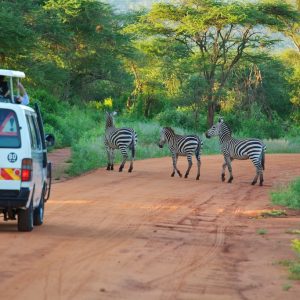
Safari enthusiast? Beach lover? Culture seeker? Adventure junkie? Doesn’t matter. Kenya’s got something waiting for you. Let me show you the absolute best spots and share some insider tips I’ve picked up.
Best Time to Visit: The Great Migration happens June to October. Want dry season wildlife viewing? January-February is your window. Beach destinations? Pretty much perfect all year round.
Top National Parks and Wildlife Reserves
Maasai Mara National Reserve: The Crown Jewel of Kenya Tourist Attractions
One place defines Kenya. The Maasai Mara. This isn’t just another park—it’s where nature stages the greatest show on Earth.
The Great Migration Experience
July through October. Over 2 million wildebeest, zebras, and gazelles thunder across the Mara River from Tanzania’s Serengeti. I watched from a hot air balloon. Got emotional, actually. Thousands of animals moving as one. Crocodiles waiting. Predators stalking. Nature at its most raw and beautiful.
What Makes Maasai Mara Special:
- Predator sightings are incredible (lions, leopards, cheetahs everywhere)
- Wildlife viewing works year-round
- Traditional Maasai villages welcome cultural visits
- Hot air balloon safaris at sunrise
- Photography opportunities are endless
Pro Tip: Shoulder season (June or November) means fewer crowds and better prices. Wildlife viewing? Still excellent.
Amboseli National Park: Where Elephants Meet Kilimanjaro
Amboseli is hands-down Africa’s best place for photographing elephants. The park sits at Kilimanjaro’s foot. Clear mornings (usually dawn) give you those iconic shots. Elephant herds with Africa’s highest peak behind them.
Three days here. Saw over 200 elephants. Including adorable babies learning to use their trunks! The park is relatively small. Wildlife encounters? Almost guaranteed.
Wildlife You’ll See:
- Large elephant herds (Amboseli’s stars)
- Lions, cheetahs, hyenas
- Giraffes, zebras, wildebeest
- Over 400 bird species—pelicans and kingfishers included
Best Viewing Spots: Observation Hill. Panoramic views of the entire park and surrounding wetlands.
Tsavo East and Tsavo West National Parks: Kenya’s Wild Frontier
Together? Tsavo East and West form Kenya’s largest protected area. Seriously massive. What I love about Tsavo—it feels wilder. Less touristy than other parks.
Tsavo East is famous for “red elephants.” They’re actually gray. But they bathe in red dust. The Yatta Plateau (world’s longest lava flow) and Lugard Falls are here. The landscape is more open. Makes wildlife easier to spot.
Tsavo West brings more scenery. Volcanic hills, Mzima Springs (watch hippos underwater through a viewing chamber—so cool!), and the Ngulia Rhino Sanctuary. Vegetation is denser. But the scenery? Breathtaking.
Insider Tip: Tsavo is WAY less crowded than Maasai Mara. Want a more private safari experience? This is your spot.
Samburu, Buffalo Springs, and Shaba National Reserves: The Hidden Gems
Northern Kenya. Three reserves. Species you won’t see anywhere else in the country. Semi-arid landscape. Unique beauty that’s different from typical savanna.
The “Samburu Special Five”:
- Grevy’s zebra (larger, different stripes than common zebras)
- Reticulated giraffe (more defined pattern)
- Somali ostrich (blue legs!)
- Beisa oryx (stunning long horns)
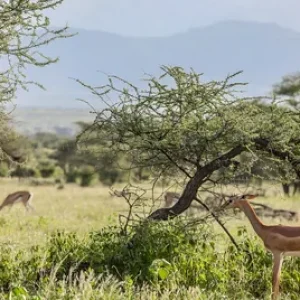
- Gerenuk (the “giraffe gazelle”—stands on hind legs)
The Sarara Singing Wells are magical. Samburu warriors sing traditional songs while drawing water for their cattle. Cultural experience you won’t find in guidebooks.
Lake Nakuru National Park: Pink Paradise
When people discuss Kenya tourist attractions, Lake Nakuru often comes up. Famous flamingos. While flamingo numbers fluctuate with water levels, the park is absolutely worth visiting.
Why Visit Lake Nakuru:
- Rhino sanctuary (both black and white)
- Tree-climbing lions (yes, really!)
- Leopards, buffalo, Rothschild giraffes
- Over 450 bird species
- Beautiful euphorbia forests
Photography Tip: Baboon Cliff viewpoint. Best panoramic views of the pink-tinged lake.
Nairobi: Urban Safari Meets Modern Africa
Most people think of Nairobi as just a stopover. The capital city has incredible attractions. Worth exploring.
Nairobi National Park: Safari in the City
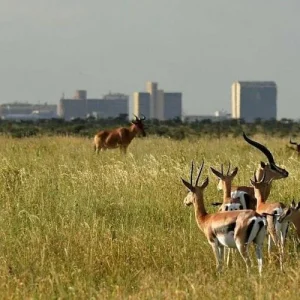
Safari 15 minutes from downtown? That’s Nairobi National Park. I bring first-time visitors here because it’s such a unique experience. Watching lions with skyscrapers in the background is surreal.
What You’ll See:
- Black rhinos (successful sanctuary)
- Lions, leopards, cheetahs
- Zebras, giraffes, buffalo, hippos
- Over 400 bird species
Perfect for: Day trips. Families. Anyone with limited time who still wants a safari experience.
David Sheldrick Wildlife Trust: Baby Elephant Heaven
I’m just going to say it. One of the most heartwarming experiences of my life. The David Sheldrick Trust rescues orphaned baby elephants. You can visit during feeding time. 11am-12pm.
Watching keepers bottle-feed these tiny elephants. Seeing them play with soccer balls. Splash in mud baths. I dare you not to smile! Each elephant has a heartbreaking backstory (usually losing mothers to poaching). But the trust’s work gives them a second chance.
Consider: Adopting an elephant for $50/year. You’ll receive monthly updates and photos!
Giraffe Centre: Get Up Close and Personal
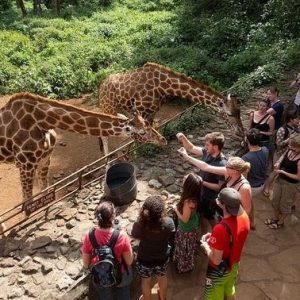
The Giraffe Centre conserves the endangered Rothschild giraffe. One of Kenya’s most interactive animal experiences. You stand on a raised platform. Feed giraffes face-to-face. Their 18-inch tongues wrap around your hand to grab food pellets.
Fun Fact: The “giraffe kiss” (letting them lick your face) is apparently good luck. I chickened out. Plenty of brave visitors do it though!
Karen Blixen Museum: Out of Africa History
Literature and history buffs will love this. Beautifully preserved colonial farmhouse. Home to Karen Blixen (Isak Dinesen), author of “Out of Africa.” The museum offers insight into Kenya’s colonial past. Early 1900s settler life.
Kenya’s Stunning Coastline
After dusty safaris? Kenya’s Indian Ocean beaches feel like paradise. The coastline offers incredible diversity. Bustling Mombasa to tranquil Lamu Island.
Mombasa: Where Culture Meets Coast
Kenya’s second-largest city. Melting pot of African, Arab, and Indian influences. The vibe here is more relaxed than Nairobi. Coastal energy.
Fort Jesus – 16th-century Portuguese fort. UNESCO World Heritage Site. Fascinating insights into East African trading history. Walls are 8 feet thick. Architecture is impressive.
Old Town – Get lost in narrow streets. Swahili buildings, carved doors, spice markets. Sensory overload in the best way.
Beaches – North of the city? Nyali and Bamburi beaches are popular. South of Mombasa, Diani Beach is stunning. White sand and turquoise water.
Mombasa Marine National Park – Coral reefs perfect for snorkeling and diving. I saw sea turtles. Lionfish. Countless colorful fish.
Lamu Island: Step Back in Time
Lamu is UNESCO-protected for good reason. Oldest Swahili settlement in East Africa. Feels like you’ve traveled back centuries. No cars allowed. Only donkeys, dhows (traditional boats), and foot traffic.
Why Lamu is Special:
- Beautifully preserved Swahili architecture
- Shela Beach (pristine and uncrowded)
- Traditional dhow sailing trips
- Rich Islamic heritage and festivals
- Incredible seafood restaurants
Travel Tip: Lamu is more conservative than other beach areas. Dress modestly when walking through town. Beachwear is fine on the actual beach though.
Diani Beach: Kenya’s Best Beach Destination
Dreaming of white sand? Crystal-clear water? Palm trees? Diani Beach is your spot. Consistently rated one of Africa’s best beaches. I completely understand why.
Activities at Diani:
- Kitesurfing and windsurfing (shallow warm water perfect for learning)
- Snorkeling and diving at nearby coral reefs
- Colobus monkey spotting in Diani Forest
- Deep-sea fishing
- Sunset dhow cruises
Accommodation: Everything from luxury resorts to budget-friendly backpacker hostels. Lines the beach road.
Great Rift Valley Wonders
The Great Rift Valley is a geological marvel. Stretches through Kenya. Creates dramatic landscapes and unique ecosystems.
Lake Naivasha: Birder’s Paradise
Lake Naivasha is the Rift Valley’s highest lake. Freshwater gem. Over 400 bird species. Absolutely spectacular for bird watching.
Boat trips bring you close to hippos. Surprisingly abundant and quite territorial—keep your distance! You’ll see fish eagles swooping down to catch prey. Pelicans. Cormorants. Countless other species.
Crescent Island is accessible by boat. Offers walking safaris among zebras, wildebeest, and giraffes. Walking among wildlife (without predators present) is incredible.
Nearby: Elsamere Conservation Centre was Joy Adamson’s (Born Free author) home. Offers afternoon tea with colobus monkeys in the garden.
Hell’s Gate National Park: Adventure Central
Hell’s Gate is unique. You can explore on foot or bicycle. One of the few Kenyan parks allowing this. Dramatic red cliffs. Geothermal features. Wildlife. Unforgettable.
Adventures at Hell’s Gate:
- Rock climbing on Fischer’s Tower
- Cycling among zebras and giraffes
- Hiking through the dramatic gorge
- Visiting hot springs and geysers
- Wildlife viewing on foot
Movie Trivia: The landscape inspired Disney’s “The Lion King.” You’ll recognize Pride Rock!
Safety Note: Flash floods can occur in the gorge during rainy season. Always check weather. Hire a guide.
Lake Bogoria: Flamingos and Geysers
Lake Bogoria is less visited than Lake Nakuru. Equally spectacular though. Alkaline lake attracts massive flamingo populations. Sometimes over a million! Geysers erupting along the shore create an otherworldly atmosphere.
Best Time: Visit during dry season. June-March. Flamingo concentrations are highest then.
Mountain Majesty
Mount Kenya National Park: Summit Africa’s Second-Highest Peak
Mount Kenya (5,199 meters) offers incredible trekking. All levels. Three main peaks. Batian and Nelion require technical climbing. Point Lenana is accessible to fit hikers. No climbing experience needed.
What Makes It Special:
- Equatorial glaciers (sadly receding)
- Unique alpine flora and fauna
- Multiple climbing routes
- Beautiful mountain lakes
- Black and white colobus monkeys
Trekking Options:
- Sirimon-Chogoria Route (4-5 days): Most scenic
- Naro Moru Route (3-4 days): Fastest but steepest
- Burguret Route (4-5 days): Least crowded
Altitude Sickness: This is real! Acclimatize properly. Drink lots of water. Consider Diamox if you’re prone to altitude issues.
Unique Conservation Experiences
Ol Pejeta Conservancy: Rhino Haven
Ol Pejeta, located near Mount Kenya. East Africa’s largest black rhino sanctuary. Home to the last two northern white rhinos on Earth. Sadly, both are female. Makes this subspecies functionally extinct.
What Makes Ol Pejeta Special:
- Highest black rhino density in East Africa
- Big Five viewing (lion, leopard, rhino, elephant, buffalo)
- Chimpanzee sanctuary (only one in Kenya)
- Walking safaris and night game drives
- Conservation-focused tourism
Accommodation: Everything from luxury lodges to budget campsites. Available within the conservancy.
Lewa Wildlife Conservancy: UNESCO World Heritage Site
Lewa is a pioneering conservation success story. Community-focused wildlife area. Protects endangered species while supporting local communities.
Highlights:
- Significant black and white rhino populations
- Grevy’s zebra conservation program
- Big Five safaris
- Walking safaris with armed rangers
- Ngare Ndare Forest with canopy walkway
- Community projects you can visit
Unique Experience: Night game drives to spot nocturnal animals. Aardvarks. Civets. Servals.
Cultural Immersion
Bomas of Kenya: Living Cultural Museum
Just outside Nairobi. Bomas of Kenya showcases the country’s diverse tribal cultures. Traditional homesteads. Crafts. Performances.
Daily Performances: Traditional dances and acrobatic displays from Kenya’s 16+ ethnic groups. Impressive Maasai jumping dances. Kalenjin warrior performances.
Best Time to Visit: Arrive early to tour the homesteads. Stay for the 2:30pm (weekdays) or 3:30pm (weekends) cultural show.
Gedi Ruins: Ancient Mystery
Hidden in coastal forest near Malindi. Gedi is fascinating. Archaeological site of a 13th-century Swahili town. Mysteriously abandoned in the 17th century.
What’s Remarkable:
- Advanced for its time (flush toilets, drainage systems)
- No historical records exist explaining its abandonment
- Chinese pottery, Venetian beads found (evidence of global trade)
- Beautiful setting with baobabs and forest
Wildlife Bonus: Golden-rumped elephant shrews and vervet monkeys inhabit the ruins.
My Personal Experience with Kenya Tourist Attractions
Let me get real with you. I’ve traveled to 40+ countries. Kenya holds a special place in my heart. First safari was in Maasai Mara. I’ll never forget when our guide whispered “simba” (Swahili for lion). Pointed to a pride with six cubs playing nearby.
But what really got me? The unexpected moments. Sharing chai tea with a Maasai family in their boma. Learning they knew more about wildlife conservation than most scientists I’ve met. Watching sunrise from a dhow in Lamu while fishermen sang traditional songs.
The Reality Check: Kenya isn’t always easy travel. Roads can be rough. Things don’t always run on time. You’ll face some tourism touts in popular areas. But here’s what I learned—patience and a sense of humor go a long way. Incredible experiences far outweigh any minor inconveniences.
My Favorite Moment: Sunset at Amboseli. Watching elephant families walk past with Kilimanjaro glowing pink behind them. My guide explained how elephants grieve their dead. Have complex social structures. Completely changed how I view wildlife.
Budget Reality: I did my first Kenya trip on a tight budget. Camping safaris. Local transport. Second trip? Luxury lodges. Both were amazing in different ways. Don’t think you need huge money to experience Kenya tourist attractions. There are options for every budget.
What’s Included and Excluded: Setting Realistic Expectations
✅ What’s INCLUDED in Most Kenya Safari Packages:
Typically Included:
- Park entrance fees
- Game drives (usually 2 per day)
- Accommodation (camping to luxury lodges)
- Most meals (breakfast, lunch, dinner)
- Professional safari guide/driver
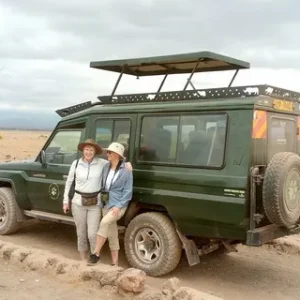
- Safari vehicle (4×4 with pop-up roof)
- Airport/hotel transfers
- Bottled water during drives
Sometimes Included:
- Walking safaris
- Cultural village visits
- Sunset sundowner drinks
- Laundry services (at lodges)
❌ What’s Usually EXCLUDED:
Almost Never Included:
- International flights to Kenya
- Visa fees ($50 for most nationalities—get eVisa online)
- Travel insurance (GET THIS!)
- Tips for guides and lodge staff (budget $10-20/day for guide, less for staff)
- Alcoholic beverages (unless all-inclusive package)
- Personal items and souvenirs
- Optional activities:
- Hot air balloon safaris ($400-500)
- Dhow cruises
- Scuba diving
- Cultural performances at some lodges
- Medical requirements (yellow fever vaccine recommended)
Important Distinction: “All-inclusive” doesn’t always mean the same thing. Clarify with your tour operator. Exactly what’s covered. Some luxury lodges include premium alcohol. Others charge separately.
My Advice: Budget an extra $30-50 per day. Tips. Drinks. Unexpected costs. Sounds like a lot. But having that buffer reduces stress immensely.
Practical Safari Planning Tips
How to Plan Your Kenya Adventure
7-Day Classic Safari Itinerary:
- Days 1-2: Nairobi (National Park, Giraffe Centre, Elephant Orphanage)
- Days 3-5: Maasai Mara (Great Migration if July-October)
- Day 6: Lake Nakuru
- Day 7: Return to Nairobi
10-Day Safari & Beach Combo:
- Days 1-2: Nairobi
- Days 3-5: Maasai Mara
- Day 6: Amboseli
- Days 7-10: Diani Beach or Lamu Island
14-Day Complete Kenya Experience:
- Add Samburu, Tsavo, Mount Kenya, and coastal exploration
Getting Around Kenya
Domestic Flights: Small planes connect major parks. Maasai Mara, Amboseli, Samburu. Expensive but time-efficient.
SGR Train (Nairobi-Mombasa): Modern, comfortable overnight train through Tsavo. Book first class for sleeper cabins. It’s an experience itself!
Safari Vehicles: Purpose-built 4x4s with pop-up roofs for photography. Most accommodate 6-7 passengers. Private vehicles offer more flexibility though.
Self-Drive: Possible. Not recommended for first-timers. Navigation is challenging. You’ll miss expert guide commentary.
Accommodation Options
Luxury Safari Lodges ($300-800+ per night):
- Gourmet meals, swimming pools, spa services
- Prime locations with amazing views
- Experienced guides and naturalists
- Examples: Governors’ Camp, Angama Mara, Saruni Samburu
Mid-Range Tented Camps ($150-300 per night):
- Comfortable permanent tents with proper beds
- Good food and guided game drives
- Great value for money
- Examples: Mara Simba Lodge, Kibo Safari Camp
Budget Camping Safaris ($50-150 per night):
- Basic campsites (some with facilities, some wild camping)
- Simple meals, shared bathrooms
- Adventure-focused rather than luxury
- Perfect for backpackers and budget travelers
Beach Resorts:
- Diani: From budget hostels ($20/night) to luxury resorts ($300+/night)
- Lamu: Boutique hotels and guesthouses ($50-200/night)
- Mombasa: Full range of options
Africa Tourist Attractions
Essential Packing List
Clothing:
- Neutral colors (khaki, olive, brown) for safari
- Lightweight long sleeves (sun and insect protection)
- Warm layer for early morning game drives
- Comfortable walking shoes
- Hat and sunglasses
- Swimsuit (for lodges with pools and beaches)
Technical Gear:
- Good camera with zoom lens (70-300mm minimum)
- Binoculars (essential!)
- Extra memory cards and batteries
- Power bank (outlets can be limited)
- Universal adapter (UK-style plugs)
Health & Safety:
- Sunscreen (SPF 50+)
- Insect repellent (DEET 30%+)
- Antimalarial medication (consult your doctor)
- First aid kit
- Prescription medications
- Hand sanitizer
Documents:
- Passport (6 months validity)
- Visa (eVisa obtained online)
- Yellow fever certificate (if coming from endemic countries)
- Travel insurance documents
- Printed safari vouchers
Frequently Asked Questions About Kenya Tourist Attractions
Is Kenya safe for tourists?
Yes. Kenya is generally safe for tourists. Especially in national parks and tourist areas. Nairobi requires more caution though. Avoid walking alone at night. Watch belongings. Political tensions occasionally flare during elections. But tourist areas remain stable. I felt safe throughout my trips using common sense precautions.
Pro tip: Register with your embassy. Follow their travel advisories.
How much does a Kenya safari cost?
Budget safaris: $150-200 per person/day. Camping, group tours. Mid-range: $250-400 per person/day. Tented camps, smaller groups. Luxury: $500-1,500+ per person/day. High-end lodges, private guides.
Prices typically include accommodation, meals, park fees, and game drives. Budget an extra 20-30% for tips, drinks, and optional activities.
Do I need vaccinations for Kenya?
Required: Yellow fever. If traveling from endemic countries.
Recommended:
- Hepatitis A and B
- Typhoid
- Tetanus
- Routine vaccinations (MMR, etc.)
Malaria Prevention: Antimalarials recommended for most areas. Except Nairobi city center. Consult a travel medicine doctor 4-6 weeks before departure.
What’s the best time to visit Kenya?
Dry seasons (best for wildlife):
- January-February: Hot, dry, excellent game viewing
- June-October: Great Migration in Maasai Mara (July-October)
Wet seasons (green season):
- March-May: Long rains, fewer tourists, lower prices, birth season
- November: Short rains, generally light
Beach destinations: Year-round. Though March-May sees more rain.
My recommendation: July-October for Maasai Mara. January-February for Amboseli and fewer crowds.
Can I see the Big Five in Kenya?
Absolutely! Kenya is one of Africa’s best places to see all Big Five. Lion, leopard, rhino, elephant, buffalo:
- Lions: Maasai Mara, Tsavo, Amboseli, Samburu
- Leopards: Maasai Mara, Samburu (best sightings)
- Rhinos: Lake Nakuru, Ol Pejeta, Nairobi National Park
- Elephants: Amboseli (best), Tsavo, Maasai Mara
- Buffalo: Everywhere. Especially Maasai Mara.
Maasai Mara and Ol Pejeta offer your best chances. All five in one location.
How close do you get to animals on safari?
Surprisingly close! Park regulations require vehicles to stay 20-30 meters from wildlife. But animals often approach vehicles. I’ve had lions walk within 3 meters of our vehicle (windows up!). Elephants cross directly in front. Cheetahs use our vehicle as shade.
Important: Never exit vehicles in national parks. Except designated areas. Always follow your guide’s instructions. Wild animals are unpredictable.
Is Kenya good for families with children?
Yes! Many lodges welcome families. Offer special programs for kids. Considerations:
Age recommendations:
- 5+ years: Can appreciate safaris and sit quietly
- 8+ years: Ideal age for full appreciation
- Teenagers: Love the adventure and photography opportunities
Family-friendly destinations:
- Nairobi attractions (Giraffe Centre, Elephant Orphanage)
- Amboseli (easy wildlife viewing)
- Diani Beach (safe swimming, water sports)
- Some lodges offer babysitting and children’s programs
Note: Malaria prophylaxis for children requires special consideration. Consult a pediatric travel medicine specialist.
What currency is used in Kenya?
Kenyan Shilling (KES). Current rate is approximately 130 KES = 1 USD. Check current rates before travel.
Payment tips:
- Safari lodges and tour operators accept USD and credit cards
- Carry some USD cash for tips ($1, $5, $10 bills)
- ATMs available in cities and major towns
- Mobile money (M-Pesa) is ubiquitous but requires local SIM
- Notify your bank before travel to avoid card blocks
How many days do you need for a Kenya safari?
Minimum: 5-7 days. 2-3 parks, rushed. Ideal: 10-14 days. 3-4 parks plus beach, well-paced. Ultimate: 3 weeks. Comprehensive experience, multiple regions.
My advice: Quality beats quantity. Spending 3 days in Maasai Mara is better than one day each in three different parks. Wildlife viewing improves with time in each location.
Can I drink tap water in Kenya?
No. Don’t drink tap water. Stick to:
- Bottled water (provided on safari)
- Filtered/boiled water
- Beverages from reputable restaurants
- Avoid ice in drinks outside tourist lodges
Most safari lodges have filtered water. Safe. But ask first.
Why Choose Pega Tours for Your Kenya Safari
Planning Kenya tourist attractions can feel overwhelming. So many options. But that’s where we come in. At Pega Tours, we’re not just another safari company. We’re passionate Kenyans who know every corner of our beautiful country.
What Makes Us Different:
Local Expertise: Our guides are born and raised in Kenya. Deep knowledge of wildlife behavior, ecosystems, and cultural heritage. They don’t just point out animals. They tell you stories.
Customized Itineraries: No two travelers are alike. Photographer needing specific lighting conditions? Family with young kids? Couple seeking romantic luxury? We design trips around YOU.
Sustainable Tourism: We partner with community-owned conservancies and lodges. Benefit local people. Your safari directly supports wildlife conservation and Kenyan communities.
Competitive Pricing: As a local company, we cut out international middlemen. Better prices without compromising quality.
24/7 Support: From the moment you land to your departure. We’re available to handle any issues. Answer questions. Adjust plans.
Small Group Guarantee: We limit vehicle occupancy. Ensure window seats and space for everyone.
What Our Clients Say:
“Pega Tours transformed our Kenya experience from a vacation into a life-changing adventure. Our guide, James, spotted wildlife we’d never have seen on our own and shared incredible insights about Maasai culture.” – Sarah & Tom, USA
“Best value safari in Kenya! We compared many companies, and Pega Tours offered the most competitive pricing with exceptional service.” – Michael, UK
Final Thoughts: Your Kenya Adventure Awaits
Kenya isn’t just a destination. It’s an experience that changes you. From the adrenaline of watching predators hunt to the peace of sunset over the Indian Ocean. From the warmth of local communities to the raw power of nature. Kenya tourist attractions offer something truly special.
I’ve returned to Kenya four times now. Each visit reveals something new. Maybe it’s a leopard sighting I’d been hoping for. Discovering a hidden beach. Or simply sharing stories with fellow travelers around a campfire under African stars.
Here’s my honest advice: Don’t overthink it. Pick your must-see parks. Maasai Mara is non-negotiable for first-timers. Allow flexibility in your schedule. Embrace the unexpected. Some of my best Kenya memories were unplanned. Like the time our vehicle got stuck in mud and a passing elephant family walked right past us. Or joining an impromptu dance lesson at a Maasai village.
Kenya will surprise you. Challenge you. Absolutely captivate you. It’s waiting for you with open arms. Incredible wildlife. Warm people. Landscapes that will take your breath away.
Ready to start planning your dream Kenya safari? Contact Pega Tours today. Let’s create an unforgettable adventure together. Whether you have a week or a month. Tight budget or unlimited resources. We’ll craft the perfect Kenya experience for you.
Karibu Kenya (Welcome to Kenya) – your African adventure starts now! 🦁🐘🦒


Comment (0)