
My Adventure at Haller Park Bamburi: Why This Hidden Gem Beats Any Zoo Experience
I’ve visited countless wildlife parks across East Africa, but nothing prepared me for what I discovered at Haller Park Bamburi last month. Here’s my honest take on why this place deserves your attention.
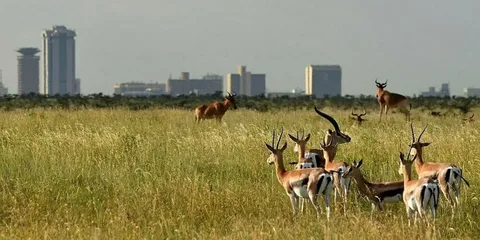
Standing face-to-face with a gentle giraffe while the Indian Ocean breeze carries the scent of frangipani flowers – that’s the magic waiting for you at haller park bamburi. Located just 12 kilometers north of Mombasa’s bustling city center, this isn’t your typical wildlife experience.
The Story That Made Me Drive 6 Hours to See This Place
Three months ago, my Kenyan colleague mentioned something that stuck with me: “There’s this place where they turned a concrete quarry into paradise.” Being skeptical by nature, I needed to see it myself. What I found was beyond anything I’d imagined.
Dr. René Haller, a Swiss scientist, looked at 200 hectares of destroyed limestone quarry in 1971 and saw possibility where others saw disaster. The man spent decades proving that environmental destruction isn’t permanent – it’s just expensive to fix properly.
Walking through today’s lush forest, watching hippos splash in crystal-clear pools, you’d never guess this area once looked like the surface of the moon.
What You’ll Actually Pay (September 2025 Reality Check)
Let me be straight about costs because nobody likes surprise expenses:
If you’re Kenyan or East African:
- Adults: 600 shillings
- Kids: 250 shillings
International visitors:
- Adults: 1,800 shillings
- Children: 700 shillings
Student groups get decent breaks:
- Primary school kids: 200-300 shillings
- High school students: 350 shillings
- University students: 400 shillings
The parking is free, which saved me about 200 shillings compared to other Mombasa attractions.
Getting There Without the Tourist Trap Routes
From Mombasa town: Skip the expensive taxis charging 1,500+ shillings. Take a Bamburi matatu from the main stage for 60 shillings. Tell the conductor “Haller Park” – they know the spot.
Driving yourself: Follow the A14 highway north past Nyali Bridge. You’ll see huge Bamburi Cement signs – the haller park bamburi entrance is right there. Takes about 25 minutes unless you hit the notorious Nyali traffic jam.
From the airport: Uber costs around 2,800 shillings, but honestly, book a private transfer for 2,200 shillings through your hotel. Much more reliable.
Pro tip I learned the hard way: Avoid visiting during school trips season (April-May, September) unless you enjoy being surrounded by 200 excited 10-year-olds.
The Animals That Made My Instagram Followers Jealous
Giraffes That Actually Let You Feed Them
Forget everything you know about zoo experiences. At haller park bamburi, you climb a wooden platform and suddenly you’re eye-level with these magnificent creatures. Their tongues are rough and surprisingly strong – bring hand sanitizer.
Feeding times: 11 AM and 3 PM sharp My tip: Get there 15 minutes early. The late-comers end up with terrible photo angles.
The park houses Rothschild giraffes, which are taller and have more distinctive spot patterns than the Masai giraffes you see in most Kenyan parks like haller park bamburi. Our guide explained they’re actually quite rare – fewer than 2,500 exist in the wild.
Hippos in Crystal Clear Water
Most places, you see hippos as gray lumps in muddy water. Here, the pools are so clean you can watch them walking underwater. It’s mesmerizing and slightly terrifying simultaneously.
Best viewing: The 4 PM feeding session when they become active Weird fact I learned: They can stay underwater for 5 minutes and their skin produces natural sunscreen
The Reptile House Reality
The snake section houses Africa’s largest python – a massive 5-meter female that looked like something from a prehistoric documentary. The Nile crocodiles are equally impressive, especially during the 4:30 PM feeding when they demonstrate why they’ve survived 200 million years.
Personal observation: The puff adder exhibit made me appreciate why rural Kenyans fear these snakes. Small but absolutely deadly.
Walking the Trails: What 50 Years of Restoration Looks Like
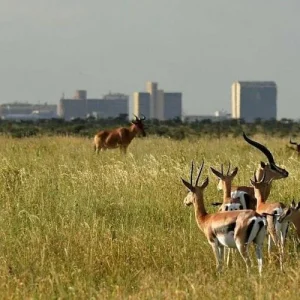
The main trail loops 2.5 kilometers through completely different ecosystems. I counted at least 6 distinct zones:
The Casuarina Forest: These Australian trees were planted first because they grow fast and tolerate salty, terrible soil. Now they’re being selectively cut to make room for indigenous species. It’s forest management in action.
Baobab Grove: Several magnificent baobabs that must have been planted in the early years. These trees live 1,000+ years, so they’ll outlive all of us.
The Quarry Viewpoints: You can still see the original limestone quarry walls. The contrast between barren rock and lush forest above is striking.
Butterfly Garden: Enclosed area with 45+ species. Best time is early morning when they’re most active. Bring a macro lens if you’re into photography.
Trail difficulty is easy to moderate. I’m reasonably fit and completed it in 75 minutes, including stops for photos and animal watching.
Birds That Made Me Wish I’d Brought Better Binoculars
Over 180 bird species call this place home. Even as a casual observer, I spotted:
- Sacred Ibis with their distinctive curved beaks
- Marabou Storks looking like prehistoric creatures
- Various kingfishers in brilliant blues and oranges
- Weaverbirds actively building their intricate nests
The morning chorus around 6:30 AM must be incredible – unfortunately, the park doesn’t open until 8 AM.
Food Situation: Better Than Expected
The Baobab Restaurant surprised me. Instead of typical overpriced tourist food, they serve decent Kenyan dishes:
What I ate:
- Fish curry with coconut rice: 750 shillings (actually good)
- Fresh mango juice: 200 shillings
- Samosas: 150 shillings (crispy, not soggy)
Price range: 400-1,200 shillings per person Quality: Solid 7/10, which is excellent for a park restaurant
They allow outside food, which families with picky kids will appreciate. Several shaded picnic spots are available.
Photography Tips From My Trial and Error
Best light: Early morning (8-10 AM) and late afternoon (3-5 PM) Essential gear: Telephoto lens for animals, wide-angle for landscapes Rookie mistakes I made:
- Forgot extra camera batteries (no shops nearby)
- Wore dark clothing (attracts more insects)
- Used flash near butterflies (they scatter immediately)
The giraffe feeding platform offers incredible close-up opportunities. I got shots I couldn’t achieve at any other location in Kenya.
Where to Sleep Nearby Without Breaking Your Budget
Luxury option: Serena Beach Resort (5km away) if money isn’t a concern. Beautiful beachfront property, but expect 15,000+ shillings per night.
Smart middle choice: Bamburi Beach Hotel (3km) offers decent rooms for 8,000-12,000 shillings. Close enough to walk to the beach.
Budget reality: Shaba Backpackers (8km) for 2,000-3,500 shillings per night. Clean, safe, and popular with travelers.
I stayed at PrideInn Paradise which offered good value at 7,500 shillings including breakfast.
Combining haller park bamburi With Other Attractions
Perfect day itinerary:
- 8 AM: Arrive at Haller Park
- 11 AM: Giraffe feeding session
- 1 PM: Lunch at park restaurant
- 2:30 PM: Drive to Bamburi Beach
- 4 PM: Beach time and swimming
- 6 PM: Sunset at Nyali Cinemax area
Cultural addition: Fort Jesus is 20 minutes south and pairs well with haller park bamburi for a full day of education and nature.
The Conservation Story That Actually Matters
Here’s what impressed me beyond the animals: this place proves environmental destruction can be reversed with enough dedication and smart science.
Numbers that matter:
- 200 hectares restored from wasteland
- 15,000 tons of CO2 absorbed annually
- 50+ permanent local jobs created
- 10,000+ school children educated yearly
Dr. Haller’s techniques are now used in restoration projects across Africa. This isn’t just a tourist attraction – it’s a blueprint for environmental recovery.
Mistakes I Made (So You Don’t Have To)
Timing errors: Arrived at 2 PM during the hottest part of the day. Animals were resting, and walking was uncomfortable.
Clothing choices: Wore shorts and got numerous insect bites. Long, light-colored pants are essential.
Planning oversights: Didn’t realize feeding times were fixed. Missed the morning giraffe session.
Photography fails: Brought only one memory card, which filled up during the butterfly section.
Is It Worth Your Time and Money?
Absolutely yes if:
- You want unique wildlife experiences impossible elsewhere
- You’re interested in conservation success stories
- You need family-friendly activities near Mombasa
- You appreciate environmental education done right
Maybe reconsider if:
- You’ve just been to Maasai Mara or Amboseli
- You’re on an extremely tight budget
- You’re uncomfortable walking 2+ kilometers
- You only have 2-3 hours in Mombasa
Practical Stuff Nobody Tells You
Best visiting months: June through September offer cooler temperatures and less rain.
Crowd patterns: Weekdays are significantly quieter than weekends. Kenyan school holidays (April, August, December) get very busy.
What to bring:
- Plenty of water (you’ll sweat more than expected)
- Cash for entry and food (card payment unreliable)
- Insect repellent with DEET
- Comfortable walking shoes with grip
- Hat and sunglasses
Safety notes: The trails are well-maintained, but watch for uneven surfaces. Animal encounters are supervised and safe when you follow instructions.
Contact Information and Hours
Address: Along Mombasa-Malindi Highway, Bamburi Phone: 041-548-5729 Hours: 8:00 AM to 4:30 PM daily Last entry: 4:00 PM
For group bookings: Call at least one week ahead, especially for school groups.
My Final Verdict
After visiting 15+ wildlife attractions across Kenya and Tanzania, haller park bamburi offers something genuinely different. It’s not the Big Five experience of Maasai Mara, but it provides intimate animal encounters impossible in traditional game parks.
The conservation story adds meaning beyond simple entertainment. Watching hippos splash in pools that exist because someone refused to accept environmental destruction as permanent – that’s powerful stuff.
Would I return? Definitely. Would I recommend it to visitors? Without hesitation.
The park represents hope in action, proving that with enough dedication and smart science, we can repair the damage we’ve done to our environment. That message alone makes the 1,800 shilling entry fee worthwhile.
Plus, where else can you hand-feed a giraffe while learning about soil restoration techniques and then watch crocodiles demonstrate why they’re apex predators – all in a single afternoon?


Comment (0)