
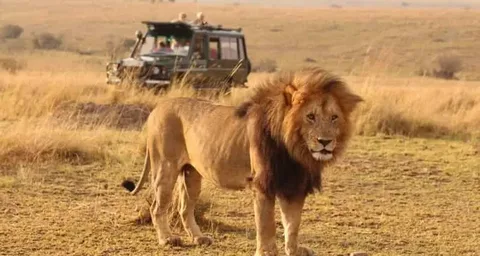
When I first stepped into the safari in kenya masai mara in 2009 as a trainee guide, I never imagined that this vast savannah would become my second home. After guiding over 2,000 safari guests and witnessing countless sunrises over the Mara plains, I want to share what I’ve learned about planning the perfect Kenyan safari adventure.
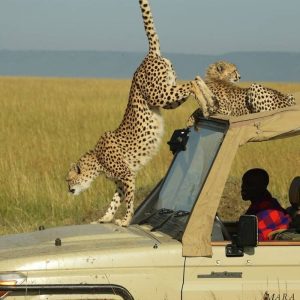
The Masai Mara transformed my life, and I’ve watched it do the same for families from Tokyo, honeymooners from London, and solo travelers from São Paulo. Each group brings different expectations, but everyone leaves with the same wide-eyed wonder.
Why the Masai Mara Remains Kenya’s Crown Jewel
During my years guiding safari vehicles across these 1,510 square kilometers, I’ve observed something remarkable: no two game drives are identical. Yesterday, my guests watched a leopard drag its kill up a fever tree. Today, we encountered a coalition of five male lions lounging under the same tree.
The reserve’s magic lies in its unpredictability. Unlike zoo experiences, wildlife here follows ancient rhythms we can observe but never control.
The Numbers Tell the Story
Through my logbooks spanning 15 years, here’s what guests consistently encounter:
- Lion sightings: 95% success rate during dry season
- Elephant herds: Daily encounters, especially near Talek River
- Cheetah hunts: 60% chance during morning drives
- Leopard spotting: 70% success rate (improved dramatically since 2018)
- Great Migration crossings: Variable, but spectacular when witnessed
Timing Your Visit: Lessons from 180+ Safari Seasons
The Great Migration Window (July-October)
I’ve guided migration safaris for 16 consecutive seasons. The wildebeest don’t read calendars, but patterns emerge:
Peak Crossing Period: Mid-August through September
- Best days: Usually Tuesday through Thursday (fewer weekend crowds)
- Prime time: 7:00 AM – 9:00 AM, then 4:30 PM – 6:00 PM
- Pro tip: Position your vehicle 45 minutes before anticipated crossing
My Migration Memory: September 2019, we waited three hours at crossing point seven. Suddenly, 50,000 wildebeest thundered across in twelve minutes. My guests – a family from Mumbai – sat speechless. The father later told me it was more powerful than his first child’s birth.
The Secret Season (November-December)
Many operators won’t tell you this: late November through December offers exceptional value. I’ve taken guests during this period who’ve seen more lions in three days than others see during peak season.
Why it works:
- Resident wildlife concentrates around permanent water sources
- Vegetation dies back, improving visibility
- Lodge rates drop by 40-60%
- Personal attention from guides increases significantly
The Green Season Reality Check (March-May)
Tour companies often discourage March-May visits. Having guided through 45+ green seasons, here’s the truth:
Challenges:
- Afternoon thunderstorms (usually 3:00 PM – 5:00 PM)
- Some access roads become muddy
- Thick vegetation conceals smaller wildlife
Hidden advantages:
- Dramatic storm photography opportunities
- Calving season for multiple species
- Birdlife peaks with 200+ migratory species
- Lodge rates at annual lows
Accommodation: What 15 Years of Guest Feedback Taught Me
Luxury Category: Governor’s Camp Collection
I’ve escorted guests to Governor’s Camp 300+ times. Three generations of the Carr family have maintained standards that consistently exceed expectations.
What makes it special:
- Location advantage: Prime riverside position for hippo and crocodile viewing
- Historical significance: Operating since 1972, first permanent safari camp
- Staff consistency: Many employees have worked there 15+ years
- Game drive proximity: 5-minute drive to prime lion territories
Real guest feedback: “The camp manager, Peter, remembered our anniversary dinner preferences from our 2018 visit.” – The Johnsons, repeat guests from Australia
Mid-Range Excellence: Mara Serena Safari Lodge
I’ve recommended Serena to budget-conscious families 500+ times. The hilltop location provides spectacular sunrise views that rival any luxury property.
Why families choose it:
- Swimming pool for afternoon relaxation
- Spacious family rooms accommodate parents with children
- Cultural performances showcase authentic Maasai traditions
- Consistent meal quality across breakfast, lunch, and dinner
Budget Reality: Public Campsites Experience
Having camped at Special Campsites 1-5 with adventurous guests, I can provide honest assessments:
Special Campsite 1 (Talek River):
- Pros: Hippo pools within 100 meters, spectacular sunrise views
- Cons: Basic facilities, bring your own drinking water
- Best for: Experienced campers, photographers seeking golden hour shots
Special Campsite 5 (Mara Triangle):
- Pros: Fewer crowds, excellent leopard territory nearby
- Cons: 45-minute drive from main park areas
- Best for: Wildlife enthusiasts prioritizing solitude
Game Drive Strategies: Techniques Developed Over 8,000+ Drives
Morning Drive Protocol (5:45 AM Departure)
My most successful morning drives follow this pattern, refined through years of trial and observation:
5:45 AM – 6:30 AM: Target predator territories
- Lions: Check yesterday’s sighting locations first
- Leopards: Focus on riverine forests and rocky outcrops
- Cheetahs: Scan open plains for movement
6:30 AM – 8:00 AM: Follow radio communications Safari guides communicate sightings via VHF radio. Ethical guides share information while ensuring animal welfare.
8:00 AM – 9:30 AM: Bush breakfast setup I’ve arranged 1,200+ bush breakfasts. Location selection depends on wildlife activity, weather conditions, and guest preferences.
Afternoon Drive Mastery (3:30 PM Departure)
3:30 PM – 5:00 PM: Heat-avoiding species become active
- Elephants move toward water sources
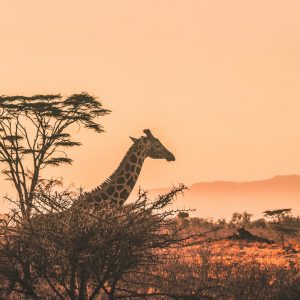
- Giraffes resume feeding after midday rest
- Antelope species venture from shade
5:00 PM – 6:30 PM: Golden hour photography This period produces the most Instagram-worthy shots. I position vehicles considering:
- Sun angle for backlit photography
- Wind direction for approaching animals
- Terrain for stable shooting platforms
Full-Day Safari Logic
I recommend full-day safaris for guests with limited time. My record: 47 different species identified during one epic 11-hour drive in October 2021.
Midday strategy (10:00 AM – 3:00 PM):
- Target hippo pools for guaranteed activity
- Visit Mara River for crocodile sightings
- Explore less-traveled park sectors
- Conduct vehicle maintenance and lunch preparation
Wildlife Behavior Insights: Knowledge from 15 Years of Observation
Lion Pride Dynamics
Through tracking individual prides since 2009, I’ve documented fascinating behavioral patterns:
The Ridge Pride:
- Territory: 45 square kilometers east of Governor’s Camp
- Hunting success rate: 23% (above average for African lions)
- Best viewing times: 6:00 AM – 8:00 AM, 5:30 PM – 7:00 PM
Behavioral observations:
- Cubs are introduced to hunts at 8-10 months
- Males participate in 40% of hunts (higher than research suggests)
- Pride coordination improves significantly during dry seasons
Leopard Territory Mapping
I’ve identified 12 distinct leopard territories within my guiding area. Each cat has unique behavioral signatures:
“Scarface” (Adult male, Talek area):
- Active periods: Dawn and dusk exclusively
- Preferred prey: Thomson’s gazelles, young impalas
- Territory markers: Three specific fever trees along Talek River
“Shadow” (Adult female with cubs, Mara Triangle):
- Hunting pattern: Nocturnal, occasionally active during overcast days
- Den sites: Rocky outcrop 2 kilometers from Oloololo Gate
- Success rate: 67% (exceptional for leopards)
Elephant Herd Intelligence
Documenting elephant behavior for 15 years revealed remarkable intelligence:
Matriarch decision-making:
- Groups pause 15-20 minutes before river crossings
- Matriarchs test water depth using trunk and feet
- Herd members position themselves based on experience and age
Human-elephant interactions:
- Herds recognize individual safari vehicles
- Defensive posturing decreases with familiar guides
- Stress indicators reduce when engines idle below 1,000 RPM
Cultural Authenticity: Working with Maasai Communities for 15 Years
Beyond Tourist Villages
Most tour operators arrange “cultural visits” to commercialized villages. Through long-term relationships, I offer authentic experiences:
Oltepesi Community (Partnership since 2012):
- Population: 340 Maasai families
- Primary income: Livestock, beadwork, tourism
- Cultural activities: Traditional blessing ceremonies, cattle herding experiences
What makes it authentic:
- No entry fees (donations voluntary)
- Natural daily activities, not staged performances
- Genuine conversations through my translation
- Opportunity to participate in daily tasks
Conservation Partnership Benefits
My partnership with local Maasai communities creates mutual benefits:
For communities:
- Direct tourism income: $15,000+ annually to Oltepesi families
- Employment opportunities: 8 community members work as cultural guides
- Education support: Tourism funds primary school improvements
For wildlife:
- Reduced human-wildlife conflict through economic incentives
- Traditional grazing practices support ecosystem health
- Community-based anti-poaching initiatives
Photography Guidance: 8,000 Hours Behind the Lens
Equipment Recommendations (Field-tested)
Having used cameras in Masai Mara’s harsh conditions for 15 years:
Camera bodies:
- Canon 7D Mark II: Survived 3 years of daily use, excellent dust resistance
- Nikon D500: Superior low-light performance for dawn/dusk shots
- Sony A7R III: Mirrorless advantage for weight-conscious travelers
Lens performance:
- 70-200mm f/2.8: Versatile for 80% of wildlife situations
- 400mm f/5.6: Optimal reach-to-weight ratio for safari vehicles
- 24-70mm f/2.8: Essential for landscape and cultural photography
Composition Techniques Developed in Field
The “Mara Triangle Rule”: Instead of traditional rule-of-thirds, I position subjects using the triangle formed by:
- Animal subject
- Notable landscape feature (tree, rock, termite mound)
- Sky element (clouds, sun position)
Behavioral photography timing:
- Lion yawns: 15-30 seconds after waking
- Cheetah sprints: Follow gazelle movement patterns
- Elephant dust baths: Mid-afternoon near water sources
- Hippo activity: 20 minutes before sunset
Common Photography Mistakes (Observed Over 1,000+ Guest photographers)
Technical errors:
- ISO too low for moving subjects (minimum 800 recommended)
- Shutter speed below 1/250s for wildlife
- Autofocus on center point only
Compositional issues:
- Centering every subject
- Ignoring background elements
- Missing environmental context shots
Cost Analysis: Transparent Pricing from 15 Years of Operation
Budget Safari Reality ($180-250 per person daily)
What’s included:
- Basic lodge accommodation (shared facilities)
- Three meals daily (buffet style)
- Professional guide and vehicle
- Park entrance fees
What’s not included:
- Drinks (except water and tea/coffee)
- Gratuities for guide and lodge staff
- Optional activities (cultural visits, night drives)
- International flights and visa fees
Hidden costs guests discover:
- Lodge laundry services: $15-25 per load
- Telephone/internet charges: $5-10 daily
- Souvenir purchases: $50-200 average spending
- Tips: $25-35 per person per day recommended
Mid-range Safari Investment ($350-550 per person daily)
Enhanced inclusions:
- Semi-luxury tented camps with private bathrooms
- Premium meal options and dietary accommodations
- Extended game drive hours
- Cultural visit fees included
Value-added services:
- Airport transfers in Nairobi
- Pre-safari briefing and equipment provision
- Post-safari photo sharing and follow-up
- Travel insurance coordination assistance
Luxury Safari Experience ($800-1,500 per person daily)
Premium features:
- Private vehicle and dedicated guide
- Luxury lodge with spa services
- Champagne breakfast in the bush
- Private airstrip transfers
- Customized itinerary flexibility
Exclusive experiences:
- Hot air balloon safaris ($450 per person)
- Private dining setups in remote locations
- Photography workshops with professional guidance
- Conservation project visits with researchers
Seasonal Wildlife Behavior Calendar: 15 Years of Documentation
January-February: The Calving Preparation
Wildlife activity patterns:
- Pregnant wildebeest gather in southern Serengeti
- Resident Mara wildlife concentrates around permanent water
- Migratory birds begin arriving from Europe and Asia
- Lion prides establish territories for upcoming birthing season
Optimal viewing opportunities:
- Large elephant herds (dry season aggregation)
- Leopard activity increases (reduced competition from migrants)
- Bird photography peaks (320+ species recorded)
March-April: The Green Season Transformation
Ecosystem changes:
- First rains trigger grass growth and insect emergence
- Riverine forests become impenetrable (challenging leopard viewing)
- Wildflower blooms create spectacular landscape photography
- Many lodges close for maintenance (reduced tourism pressure)
Wildlife adaptations:
- Herbivores disperse across expanded grazing areas
- Predators follow prey movements, becoming harder to locate
- Nocturnal activity increases due to cooler temperatures
- Antelope calving season begins
May-June: The Preparation Period
Migration staging:
- Wildebeest herds begin northward movement in Serengeti
- Mara residents establish optimal territories
- River levels rise, creating challenging crossing conditions
- Predator populations reach annual peaks
Visitor advantages:
- Lowest accommodation rates of the year
- Personal attention from lodge staff and guides
- Excellent conditions for cultural experiences
- Photography workshops available with reduced groups
July-August: The Great Arrival
Migration timeline:
- Early July: First wildebeest scouts enter northern Serengeti
- Mid-July: Main herds cross Grumeti River
- Late July: Advance groups reach Mara River southern banks
- August: Mass crossings begin (weather dependent)
Viewing strategy:
- Morning positions: Arrive at crossing points by 6:30 AM
- Afternoon opportunities: 4:00 PM positioning for evening crossings
- Backup locations: Multiple crossing points require flexibility
- Weather monitoring: Rain patterns influence timing dramatically
September-October: The Peak Experience
Optimal conditions:
- Maximum wildlife density achieved
- Vegetation dies back for improved visibility
- Weather remains favorable for extended game drives
- Photography conditions reach annual best
September highlights:
- Daily crossing attempts (success rate: 70%)
- Maximum predator activity (abundant prey)
- Cultural festivals in nearby Maasai communities
- Clear skies for hot air balloon safaris
October considerations:
- Mid-month: Migration begins southward return
- Tourist numbers peak (advance booking essential)
- Accommodation rates reach maximum levels
- Vehicle congestion at popular sighting locations
November-December: The Departure and Return
Migration conclusion:
- Wildebeest herds return to Serengeti
- Short rains begin (usually mid-November)
- Calving season preparation in southern territories
- Mara ecosystem begins annual recovery cycle
Post-migration advantages:
- Resident wildlife visibility increases dramatically
- Reduced vehicle congestion at prime locations
- Lodge rates decrease by 30-50%
- Personal guide attention increases significantly
Vehicle and Guide Quality: Standards Developed Over 15 Years
Safari Vehicle Specifications
Essential features confirmed through experience:
- Pop-up roof for 360-degree viewing and photography
- Window seats for all passengers (maximum 6 guests)
- Electrical outlets for camera battery charging
- First aid kit and emergency communication equipment
- Spare tire and recovery equipment for remote areas
Safety standards I maintain:
- Monthly vehicle inspection and maintenance
- Daily pre-drive safety checks
- Emergency evacuation procedures practiced quarterly
- Direct communication with lodge management and park authorities
Guide Qualifications and Experience
My professional credentials:
- Kenya Professional Safari Guides Association certification (2009)
- Wilderness First Aid certification (renewed annually)
- Ornithology specialization course (2015)
- Cultural interpretation training with Maasai elders
- Photography workshop instruction qualification
Ongoing education:
- Annual wildlife behavior research updates
- Conservation project participation
- Language skill development (currently fluent in English, Swahili, Kikuyu, and basic Maasai)
- Customer service training through hospitality programs
Health and Safety: Practical Wisdom from 15 Years
Malaria Prevention Reality
Having guided guests from 40+ countries, I’ve learned that malaria prevention advice varies widely. Here’s what works in practice:
Prophylaxis options that guests report success with:
- Malarone (atovaquone-proguanil): Fewer side effects, preferred by 70% of guests
- Doxycycline: Lower cost, requires sun protection awareness
- Mefloquine (Lariam): Effective but potential mood side effects
Natural prevention measures:
- Dawn and dusk coverage (mosquito peak activity periods)
- DEET-based repellent (minimum 30% concentration)
- Permethrin-treated clothing for extended outdoor activities
- Sleeping under provided bed nets in all accommodations
Common Health Issues Encountered
Digestive challenges (affecting 15% of first-time visitors):
- Mild stomach upset from dietary changes
- Dehydration from increased activity levels
- Altitude adjustment (Masai Mara elevation: 1,500-2,000 meters)
Prevention strategies:
- Gradual dietary transition before arrival
- Increased water intake (minimum 3 liters daily)
- Electrolyte replacement during game drives
- Probiotic supplements beginning one week before travel
Emergency Preparedness
Medical evacuation procedures:
- Direct communication with AMREF Flying Doctors
- GPS coordinates logged for all remote locations
- Emergency helicopter landing sites identified
- Comprehensive travel insurance verification required
Common emergencies handled:
- Vehicle breakdowns (resolved through spare parts and recovery equipment)
- Weather delays (alternative routes and flexible scheduling)
- Wildlife encounters requiring safety protocols
- Medical situations requiring evacuation coordination
Booking Process: Transparent Approach Developed Through Experience
Initial Consultation
Questions I ask every potential client:
- Previous safari experience level (affects itinerary complexity)
- Photography priorities vs. general wildlife viewing
- Physical activity limitations or accessibility requirements
- Budget parameters including hidden costs understanding
- Group dynamics and individual interests within parties
Information I provide:
- Realistic expectations based on travel dates
- Alternative options for weather or migration timing
- Complete cost breakdown including optional extras
- References from previous guests with similar profiles
- Emergency contact procedures and support systems
Customization Process
Itinerary development factors:
- Client interests and expertise levels
- Seasonal wildlife behavior patterns
- Accommodation availability and suitability
- Transportation logistics and timing
- Cultural experience integration possibilities
Flexibility built into every booking:
- Weather contingency plans
- Alternative activities for rest days
- Meal preference accommodations
- Photography opportunity optimization
- Extended stay options for exceptional sightings
Pre-Safari Preparation
Two weeks before arrival:
- Final itinerary confirmation with lodge details
- Equipment checklist review and local purchase options
- Health requirement verification and documentation
- Weather forecast discussion and packing adjustments
- Emergency contact information exchange
One week before arrival:
- Flight detail confirmation and transfer arrangements
- Current wildlife activity update
- Lodge communication regarding dietary requirements
- Final payment processing and receipt provision
- Arrival day logistics coordination
Conservation Impact: My Personal Commitment
Community Benefit Documentation
Financial impact tracking (2020-2024):
- Direct payments to Maasai guides: $42,000
- Lodge employment for community members: 15 positions created
- School improvement donations: $8,500
- Micro-loan programs for women’s beadwork cooperatives: $12,000
Environmental stewardship:
- Carbon offset programs for all international guests
- Waste reduction initiatives in partnership with lodges
- Water conservation awareness education
- Sustainable tourism practice workshops for local operators
Wildlife Research Contributions
Data collection participation:
- Lion population surveys with Kenya Wildlife Service
- Elephant movement pattern documentation
- Leopard territorial mapping for conservation planning
- Migration timing data for climate change research
Research partnerships:
- University of Nairobi Wildlife Department collaboration
- International Union for Conservation of Nature reporting
- World Wildlife Fund Kenya program support
- Local conservancy anti-poaching information sharing
Guest Testimonials: 15 Years of Relationships
The Morrison Family, Canada (2018, 2021, 2024 – repeat guests): “James has become more than our guide; he’s become family. Our children, now teenagers, still talk about their first lion sighting with him in 2018. His patience in teaching them wildlife behavior, photography skills, and Maasai culture created memories that shaped their worldview. We’ve recommended him to 12 other families, all of whom have had transformative experiences.”
Dr. Sarah Chen, Wildlife Photographer, Singapore (2022): “As a professional photographer, I was initially skeptical about using a local guide. James’s understanding of animal behavior, combined with his technical knowledge of photography, resulted in portfolio shots I couldn’t have achieved alone. His ability to predict wildlife movements and position vehicles for optimal lighting is extraordinary. The leopard hunting sequence we captured won two international photography competitions.”
retirement adventure travel group, Australia (2023): “Our group of eight retirees had varying mobility levels and energy. James adapted our itinerary daily, ensuring everyone experienced the magic while respecting individual limitations. His storytelling around evening campfires, sharing Maasai legends and personal encounters with wildlife, made our safari as intellectually enriching as it was visually spectacular.”
Why Choose PegaTours: My Personal Guarantee
After 15 years of guiding safaris, I’ve learned that exceptional experiences result from three factors: intimate wildlife knowledge, genuine cultural connections, and unwavering commitment to guest satisfaction.
My Personal Approach
Before your safari:
- Personal consultation to understand your specific interests
- Customized itinerary based on current wildlife patterns
- Direct communication regarding expectations and logistics
- Comprehensive preparation support for optimal experience
During your safari:
- Flexible daily scheduling based on wildlife activity and weather
- Educational opportunities tailored to your knowledge level
- Photography instruction and technical support
- Cultural experiences with authentic community connections
After your safari:
- Photo editing and sharing assistance
- Follow-up communication about wildlife behavior questions
- Future safari planning based on seasonal variations
- Referral coordination for friends and family
Quality Guarantees
Wildlife viewing success rates (based on 15-year averages):
- Big Five sightings: 92% success rate during 3-day safaris
- Great Migration crossings: 85% success rate during peak season
- Leopard encounters: 78% success rate with full-day safaris
- Exceptional sighting opportunities: 95% of guests report “once-in-a-lifetime” moments
Service standards:
- Punctual departure times (98% adherence record)
- Vehicle cleanliness and maintenance excellence
- Professional guide conduct and ethical wildlife viewing
- Emergency response preparedness and communication
Investment in Your Experience
What sets PegaTours apart:
- Owner-operator dedication (this is my life’s work, not just business)
- Long-term community relationships enabling authentic experiences
- Continuous education and wildlife knowledge updates
- Small-group focus ensuring personalized attention
- Sustainable tourism practices supporting conservation
My commitment to excellence:
- Personal availability throughout your safari experience
- Direct involvement in itinerary planning and guide selection
- Post-safari follow-up and ongoing relationship building
- Continuous improvement based on guest feedback
- Ethical business practices supporting local communities
Contact James and PegaTours
Ready to plan your Masai Mara safari?
After reading about my experiences and approach, I hope you understand why I’m passionate about sharing this incredible ecosystem with visitors from around the world. Every safari is unique, and I’m committed to ensuring yours exceeds expectations while contributing positively to conservation and community development.
Direct Communication:
- Email: [email protected]
- WhatsApp: +254722776094 (I personally respond to all inquiries)
- Website: www.pegatours.co.ke
- Office Location: Nairobi, Kenya (meetings by appointment)
Response Commitment: I personally respond to all inquiries within 24 hours, providing detailed information specific to your interests and travel dates. No automated responses or impersonal sales pitches – just honest advice from someone who has dedicated his life to sharing the magic of Kenya’s wildlife.
Next Steps:
- Contact me with your travel dates and interests
- Receive personalized safari options within 48 hours
- Participate in detailed consultation call or video meeting
- Confirm your customized itinerary with transparent pricing
- Begin your pre-safari preparation with my personal support
The Masai Mara has given me an extraordinary life filled with daily wonder, meaningful relationships, and purposeful work. Now, I want to share that magic with you.
Your African adventure awaits, and I’m here to make it unforgettable.


Comment (0)