
Nairobi Hit Me Different – And Here’s Why You Need to Go
Yo, real talk – I thought Nairobi was gonna be just another layover city. You know, the place where you grab your bags and bounce to go see some lions somewhere else.
Three years ago, that’s exactly what I planned. Quick overnight stay, then off to Masai Mara like every other tourist with their fancy safari hat and camera. But life had other plans, and honestly? Best mistake I never made.
Now I’ve been back five times. My friends think I’m crazy, my wallet definitely thinks I’m crazy, but these places to visit in Kenya Nairobi just keep pulling me back like some kind of beautiful addiction.
The Thing About Lions Next to Skyscrapers (It’s Insane)
Nairobi National Park – Where Reality Gets Weird
So picture this nonsense: I’m sitting in this beat-up Toyota Land Cruiser at 6:30 AM, half-awake, nursing terrible instant coffee. Suddenly our driver Moses slams the brakes and points to our right.
There’s a pride of lions. Just chilling. Stretching. Doing lion things.
Behind them? The freaking Nairobi skyline. Cranes, buildings, that weird purple tower thing. I literally rubbed my eyes thinking the malaria pills were making me hallucinate or something.
But nope. This is just Tuesday morning in Nairobi National Park – the world’s only national park practically sitting in a capital city’s backyard. Twenty minutes from downtown traffic jams to watching actual endangered rhinos graze while hearing car horns in the distance.
Moses (who’s seen this reaction about a million times) just laughed at my face and said “Welcome to Kenya, my friend.”
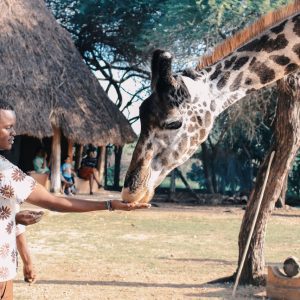
The park’s 117 square kilometers of straight-up African wilderness. During my third visit, I counted 23 different species in four hours. Giraffes doing their slow-motion catwalk thing, buffalo looking grumpy as always, hippos being fat and lazy in muddy pools. And always, always that surreal city backdrop making everything feel like some fever dream.
Real advice: Get there before 7 AM. Animals are actually awake, lighting doesn’t suck for photos, and you’ll have stories nobody back home will believe until you show them pictures.
Baby Elephants Who’ll Ruin Your Productivity Forever
The David Sheldrick thing almost made me miss my connecting flight to Amsterdam. Not because of bad timing – because these orphaned elephant babies are basically toddlers with trunks and zero chill.
There’s this little troublemaker named Mukkoka who learned how to untie people’s shoelaces. He’d waddle over all innocent, mess with your feet, then do this head-bobbing thing that looked exactly like laughing. His partner in crime, some baby named Kiasa, kept trying to steal the keeper’s baseball cap.
But then you learn their stories and it hits different. Most of these babies watched their mothers get killed by poachers. Or lost families to human-wildlife conflict. Watching them slowly trust people again, playing in red dirt, sharing giant milk bottles – it’s heartbreaking and hopeful at the same time.
The nursery only opens 11 AM-12 PM daily for visitors. You can sponsor an elephant (I send Mukkoka money monthly now, don’t judge), and they send updates with photos like he’s your nephew or something.
These Nairobi wildlife experiences mess with your head in ways you don’t expect. Good ways, mostly.
Culture Shock That Actually Rocks
Maasai Market – Organized Chaos at Its Finest
Forget everything you think you know about “authentic local markets.” The Maasai Market is pure sensory assault that somehow works.
Tuesday mornings near the Archives, this whole street just explodes. Red fabric everywhere, beads in colors that shouldn’t exist in nature, wooden elephants competing for space with painted gourds. The smell hits you first – berbere spices mixing with cedar wood and something else I never figured out.
My first time there, I wandered around clutching my backpack like some paranoid tourist, taking awkward photos and basically being that guy. By visit number four, I was arguing with Mama Jane (who remembers literally everyone’s name somehow) about her soapstone carvings while she showed me pictures of her grandkids.
Here’s what nobody tells you: the real magic happens when you stop shopping and start actually talking to people. This dude Peter who makes wire sculptures taught me how traditional Maasai beadwork tells stories. Different colors mean different things – age, marriage status, which community you’re from. Grace explained kikoi patterns that represent various Kenyan tribes.
The haggling here isn’t like aggressive American car-dealer stuff. It’s more like… verbal dancing? Start around 40% of what they ask, but remember you’re supporting actual families, not some corporate chain.
Bomas of Kenya – Where Culture Stays Alive (For Real)
Most cultural centers feel like museums where traditions go to die slowly. Bomas is the opposite – 44 different ethnic communities keeping their stuff vibrant and evolving.
The afternoon performances absolutely destroyed me. Maasai warriors jumping higher than should be physically possible while staying in perfect rhythm. The whole audience went dead silent watching. These aren’t actors putting on shows – they’re people sharing pieces of their actual heritage.
The Kalenjin dancers hit different though. Their movements told stories without words – harvest celebrations, coming-of-age ceremonies, ancient victories. This elderly woman sitting next to me started crying, and I totally got why.
Between shows, you can wander through traditional homesteads from different communities. Each building style tells stories about surviving different climates, organizing societies, adaptation strategies developed over centuries.
Pro tip from my mistakes: Show up hungry. The traditional food here beats any tourist trap restaurant in the city. Eating ugali with your hands while sitting on cowhide stools makes everything taste better somehow.
City Adventures That Caught Me Off Guard
KICC Tower – Best Views Nobody Talks About
Most people walk past Kenyatta International Conference Centre thinking it’s just boring government offices. Their loss, seriously.
The rooftop helipad gives you 360-degree views that make every Instagram photo look amateur. Clear days, you can see Ngong Hills rolling toward Tanzania, Athi Plains stretching forever, and Nairobi’s organized chaos spreading in every direction.
I went up during golden hour on visit number three. Watching city lights start twinkling while the sun disappeared behind hills was straight magic. Street vendors setting up dinner spots below, families heading home from work, whole city transitioning from day energy to night energy.
Cost? 500 shillings. That’s like five bucks US. For the best views in the entire city. Sometimes the coolest stuff is hiding right in plain sight.
Karen Blixen Museum – Literary History Gets Real
“I had a farm in Africa, at the foot of the Ngong Hills…”
Those opening lines from “Out of Africa” hit completely different when you’re standing in Karen Blixen’s actual house, looking at her actual desk where she wrote those words.
But here’s the thing – even if you never read the book or saw that Meryl Streep movie, this place tells wild stories about colonial Kenya, early aviation, and one European woman’s complicated relationship with Africa.
Her study is preserved exactly like she left it. Same typewriter, same chair, same view out the window toward Ngong Hills. You get this weird intimate connection with history that textbooks never give you.
The gardens are incredible too. Ancient fever trees, manicured flower beds, peacocks strutting around like they own everything. It’s one of those Nairobi historical landmarks where you actually feel history’s weight instead of just reading about it.

When City Life Gets Too Much (Escape Routes)
Uhuru Park – Where Nairobi Takes a Breath
Sometimes you just need grass under your feet and actual sky above your head. Uhuru Park provides that escape right in downtown’s heart.
But this isn’t just empty green space. It’s where real Nairobi happens. Families having elaborate Sunday picnics with thermos flasks full of tea and homemade mandazi. University students cramming for exams under big trees. Couples taking romantic walks around the artificial lake while kids feed ducks.
I love people-watching here because you see authentic Nairobi life beyond tourist stuff. Business people grabbing lunch breaks, fitness groups doing aerobics to ridiculously loud music, grandparents sharing stories on wooden benches.
The park holds serious historical weight too – lots of independence rallies happened right here. Something powerful about relaxing in spaces where Kenya fought for freedom.
Nairobi Snake Park – Fear Therapy You Didn’t Know You Needed
Full disclosure: snakes terrify me. Always have, probably always will. But the Snake Park next to National Museum challenged everything I thought about these creatures.
Watching handlers work with deadly black mambas and massive pythons with total respect and knowledge slowly changed my fear into… okay, still fear, but respectful fear with some fascination mixed in.
These aren’t just “dangerous animals.” They’re essential ecosystem parts with incredible survival adaptations developed over millions of years. The feeding demonstrations on weekends show predator-prey relationships that help you understand nature’s balance.
The crocodile section is absolutely wild though. Four-meter Nile crocodiles lounging in concrete pools while downtown traffic noise hums nearby. Perfect example of Nairobi’s unique urban-meets-wild vibe.
Modern Nairobi Surprises
Two Rivers Mall – Where Locals Actually Hang
Tourist guides never mention Two Rivers Mall, but it’s where middle-class Nairobi actually spends weekends. This massive complex balances international brands with local businesses without feeling fake.
The food court became my lunch headquarters during longer stays. Incredible nyama choma right next to Pizza Hut, traditional Kenyan tea alongside Starbucks. Globalization done right – international options without losing local character.
I discovered amazing coffee roasters here, bought kitenge fabrics from local designers, spent way too much on Maasai honey and macadamia nuts for family back home.
What’s cool about Two Rivers is how it serves everyone without trying too hard. Families enjoying weekend outings, teenagers hanging after school, expats doing weekly grocery runs, tourists cramming last-minute souvenirs into already-stuffed suitcases.
Carnivore Restaurant – Meat Adventures That Sound Made Up
If you eat meat, Carnivore is absolutely legendary. Brazilian churrascaria style but with African game meat. Experience that sticks with you forever, guaranteed.
Menu includes ostrich, crocodile, zebra, various antelope species. All prepared with traditional Kenyan spices that’ll ruin regular beef for you permanently. I was nervous initially – eating zebra felt morally weird. But flavors were incredible, and knowing meat comes from sustainable ranches made it feel more ethical.
The setup encourages random socializing. Long communal tables mean you’ll share stories with people from everywhere. Had dinner with German engineers, Australian backpackers, Kenyan business folks all at same table. Those spontaneous travel connections that happen when you’re not looking for them.
Day Trips Beyond the City Madness
Ngong Hills – Hiking That’ll Humble You
Twenty-two kilometers from downtown chaos, Ngong Hills offer some of East Africa’s best hiking. Rolling green hills with spectacular views and genuine Maasai cultural interactions.
Main trail winds through seven peaks, each giving different Great Rift Valley perspectives. Incredibly clear days, you can actually spot Mount Kilimanjaro’s peak in the distance. Sight that literally stops you mid-step and makes you question reality.
Local Maasai still graze cattle on these hills, creating authentic cultural exchanges along trails. Shared lunch with this elder named Jonathan who taught me about traditional medicinal plants growing everywhere. His botanical knowledge was insane – pointing out plants for headaches, stomach problems, ceremony uses.
Essential advice from painful experience: Start at sunrise (magical lighting), bring double the water you think you need, don’t underestimate altitude effects. These hills are higher than they look, and African sun shows zero mercy.
Real Talk About Actually Visiting
Getting Around Without Losing Your Mind
Nairobi navigation seemed terrifying before my first visit. Actually pretty manageable once you figure out the systems.
Uber and Bolt work everywhere, offer safe reliable transport. Drivers usually speak English, many become informal tour guides sharing local insights you won’t find in guidebooks.
For authentic experience, try matatu system at least once. Colorfully decorated minibuses that are cultural experiences themselves. Loud music, animated conversations, organized chaos that somehow gets everyone where they need to go.
Boda bodas (motorcycle taxis) are faster but scarier. Tried them twice, decided my life insurance wasn’t adequate coverage.
Safety Reality Without the Paranoia
Let’s address the obvious: safety concerns. Yes, like any major city, Nairobi requires basic street smarts. Don’t flash expensive electronics, avoid empty areas after dark, use common sense.
But reality check: millions visit Nairobi safely every year. I’ve walked downtown during daylight, used public transport, eaten street food, never had serious problems. Local people are generally helpful toward respectful visitors.
Media sensationalizes African cities constantly. Nairobi isn’t more dangerous than Detroit, São Paulo, or Naples. Use your brain, stay aware, don’t let fear prevent incredible experiences.
Planning Stuff You Actually Need to Know
When to Actually Go
Best time to visit Nairobi – city enjoys pleasant climate year-round, but avoid heavy rain seasons (March-May, November). Dry seasons offer perfect weather for outdoor activities and peak wildlife viewing.
January-March and June-October are ideal for exploring Kenya tourism hotspots around Nairobi. Comfortable temperatures, minimal rainfall, wildlife viewing at peak conditions.
Money Reality Check
Nairobi tour packages prices vary dramatically based on preferences and group sizes. Budget travelers can explore many attractions independently for $30-50 daily. Luxury experiences cost $200+ per day.
Group tours often combine multiple attractions, offering better value than individual visits. Plus guides provide cultural context and local insights that significantly enhance overall experiences.
Independent travel totally doable if you’re comfortable navigating new cities. Mix guided tours for cultural sites with independent exploration for markets and parks.
Questions People Keep Asking Me
What makes Nairobi different from other African cities? Only capital city worldwide with national park within city limits. Perfectly balances modern urban development with authentic African culture and incredible wildlife access.
Safe for solo travelers? Yes, with basic precautions. Popular areas during daylight, reputable transportation, don’t display expensive stuff. Solo female travelers need extra caution but many visit safely.
How long do you actually need? Minimum 3-4 days for major highlights without rushing. Allows time for wildlife, cultural sites, city exploration, plus spontaneous discoveries that make travel memorable.
Wildlife without expensive safaris? Absolutely. Nairobi National Park offers incredible viewing minutes from city center. Day trips to Hell’s Gate or Lake Naivasha provide more affordable wildlife experiences.
What’s the food situation? Incredible mix of traditional Kenyan cuisine, Indian influences from historical immigration, international options. Street food generally safe from busy vendors, restaurants cover everything from nyama choma to excellent Italian.
Vaccinations needed? Yellow fever required if coming from endemic areas. Malaria prophylaxis usually unnecessary for Nairobi itself (high altitude), but consult travel medicine specialists for personalized advice.

Why This City Messed With My Head (In Good Ways)
Look, after five trips to these amazing places to visit in Kenya Nairobi, I’ve realized this city represents something totally unique in African travel. It’s not trying to be anything except itself – vibrant, complex, sometimes chaotic metropolis where modernity and tradition somehow coexist.
Most people treat Nairobi like a gateway to Kenya’s famous safari spots, completely missing incredible experiences right under their noses. But people who actually take time exploring the city discover Nairobi adventure activities, cultural richness, and urban-wildlife combinations that exist literally nowhere else on earth.
From watching baby elephants being goofballs while city sounds hum in background to arguing over handcrafted prices at crazy-vibrant markets, Nairobi creates memories that stick forever. The city’s energy, diversity, and surprisingly welcoming spirit make it perfect introduction to East African culture and wildlife.
These places to visit in Kenya Nairobi offer something for every traveler type – wildlife nuts, culture seekers, adventure junkies, food lovers, urban explorers. The city challenges every assumption about African destinations while providing genuine adventures and authentic cultural exchanges.
So pack curiosity with your camera, bring adventure mindset, prepare to fall for a city that’s way more than just safari starting point. Nairobi’s waiting to surprise you, challenge preconceptions, create travel stories you’ll share forever.
Trust me: once you experience the magic of these incredible places to visit in Kenya Nairobi, you’ll understand why so many travelers extend stays and some never want to leave. This city gets under your skin in the absolute best way possible.


Comment (0)