
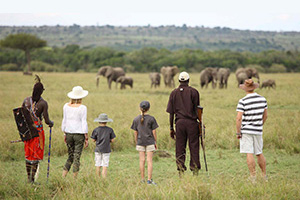
Kenya is one of Africa’s top wildlife safari destinations. A Kenyan safari takes you on an unforgettable adventure across dramatic landscapes and extraordinary wildlife. And don’t forget the rich cultural heritage you can experience on safari in Kenya. If you want to experience this country soon, you will need the ultimate guide to planning a Kenya safari. And we have the perfect one.
Three Kenyan destinations deserve particular attention. The Maasai Mara National Reserve, famous for its big cats and wildebeest migration; Amboseli National Park, renowned for its elephant herds and Kilimanjaro views; and Samburu National Reserve, known for its distinctive wildlife and rugged northern scenery. So, as you book flights to Kenya from the UK, this guide will help you plan a safari adventure around these incredible destinations.
Best Time for a Kenya Safari
It all starts with choosing the best time for a Kenya safari. Although you can go on a Kenya safari year-round, weather, vegetation, and seasonal wildlife movements can shape your experience.
June to October
This is the best time for wildlife viewing. The weather is dry, which makes animals easier to spot. The Maasai Mara’s famous wildebeest migration typically reaches Kenya during this period, though timing varies each year.
January to February
This is a good time for game drives. You get dry weather conditions in most safari regions. It is particularly attractive for visiting Amboseli and exploring Kenya’s northern reserves.
March to May
Frequent rains bring lush greenery to the country. However, this is not a recommended time for a wildlife safari because muddy tracks and occasional travel disruptions can affect game drives.
November to December
The short rains often refresh the landscape. Wildlife viewing remains possible, although local conditions vary and afternoon showers can occur.
Exploring the Maasai Mara National Reserve
One of the main reasons safari enthusiasts are drawn to Kenya is the Maasai Mara National Reserve. It is among the most iconic safari destinations in the whole continent. This is the highlight of a Kenya safari, especially for first-time visitors.
Its expansive grasslands, scattered acacia trees and winding rivers create an ideal habitat for lions, leopards, cheetahs, elephants, buffaloes and other wildlife.
What Makes Maasai Mara Special?
The reserve is best known for the annual wildebeest migration and the abundant big cats. Millions of wildebeest, accompanied by zebras and gazelles, move between Tanzania’s Serengeti and the Mara ecosystem in search of fresh grazing.
Migration season is particularly breathtaking, with crocodiles waiting in the water. However, these events are unpredictable, so sightings are never guaranteed.
How Long Should You Stay?
Another important thing to figure out is how long you can stay in this reserve. Allow at least three nights for a rewarding experience. Four nights can be worthwhile if wildlife photography or the Great Migration is your main priority.
Visiting Amboseli National Park
You might have seen photographs of a Kenya safari where large herds of elephants walk across open plains with Mount Kilimanjaro rising behind them. These photographs were taken in Amboseli National Park. It is another popular and incredible safari destination in Kenya.
Located in southern Kenya near the Tanzanian border, this national park is one of the country’s most recognisable safari destinations. Its open landscapes and seasonal wetlands attract wildlife, making it particularly appealing to photographers and elephant enthusiasts.
What Makes Amboseli National Park Special?
Amboseli National Park has many special features. Amboseli is celebrated for its elephants, including large-tusked individuals studied over many years. Not only that, you get the most scenic mountain views on clear mornings that will surely become the highlight of your trip.
From this elevated viewpoint, you get panoramic views of the surrounding plains and wetlands. Hippos, waterbirds and other wildlife gather around suitable water sources, depending on seasonal conditions. The park is also perfect for birdwatching.
How Long Should You Stay?
You can have a memorable time at Amboseli National Park in two days. But if you can, spend three days in the park as it gives you more opportunities for early-morning and late-night drives.
Discover Samburu National Reserve
The third Kenya destination that deserves a place in your itinerary is the Samburu National Reserve. It’s unlike Kenya’s southern grasslands. Its rugged hills, dry landscapes, rocky outcrops and riverine vegetation create a striking contrast with the Maasai Mara and Amboseli.
The Ewaso Ng’iro River is an important wildlife attraction, drawing animals to its banks, particularly when the surrounding landscape is dry.
What Makes Samburu National Reserve Special?
Samburu National Park is an incredible safari destination that attracts adventurers from around the world. It is known for the species sometimes called the Samburu Special Five. These species include Grevy’s zebra, reticulated giraffe, Biesa oryx, Gerenuk, and Somali ostrich. You may also see elephants, crocodiles, lions, leopards and numerous bird species.
From guided game drives along the river to photographing stunning wildlife and enjoying the quieter camping, you can do it all here. The remote atmosphere of this destination surely adds to its charm.
How Long Should You Stay?
Plan for two or three nights. Samburu is particularly rewarding for repeat safari travellers, birdwatchers, and anyone hoping to see wildlife species less commonly encountered in southern Kenya.
How to Combine All Three Safari Destinations?
You might be wondering how you can combine all these iconic safari destinations in one Kenya holiday. Don’t overthink it, as it is surely possible and it is one of the best ways to experience the diversity and beauty of Kenya. However, distances, travel times and the cost of internal flights mean that you should plan the route carefully.
Suggested 10-Day Kenya Safari Itinerary
A practical itinerary is to start in Nairobi, travel to Samburu, continue to Amboseli and finish in the Maasai Mara before returning to Nairobi. You can adjust the exact order based on flight availability, accommodation, and your international arrival and departure times.
| Day | Destination | Suggested Activities |
| Day 1 | Nairobi | Arrive, rest and prepare for the safari |
| Day 2-3 | Samburu | Game drives and searches for the Special Five |
| Day 4-5 | Amboseli | Elephant viewing and Kilimanjaro photography |
| Day 6-9 | Maasai Mara | Big-cat tracking, game drives and optional balloon safari |
| 10 | Nairobi | Return for your international flight |
This suggested itinerary gives you 8 days in Kenya’s iconic safari regions. So, if your goal is a safari holiday, this itinerary will surely serve you right. You may need an additional night in Nairobi if your arrival or departure times do not align with transfers.
Estimated Total Budget for a 10-Day Kenya Safari
Here is an overview of the estimated budget for a 10-day Kenya safari depending on your travel style.
| Travel Style | Approximate Total Cost Per Person |
| Budget safari | £1,800–£2,800 |
| Mid-range safari | £3,000–£4,800 |
| Luxury safari | £5,500–£9,000+ |
Final Words
Kenya is home to some of the most iconic African wildlife safari destinations. And once you start searching for the perfect flight with Kenya Airways from the UK, you should start planning an itinerary for your adventure holiday. There is no denying you will have the most rewarding safari experience by visiting Kenya’s three gems: Maasai Mara, Amboseli, and Samburu. So it is time to start planning your holiday to these incredible safari destinations.


Comment (0)