
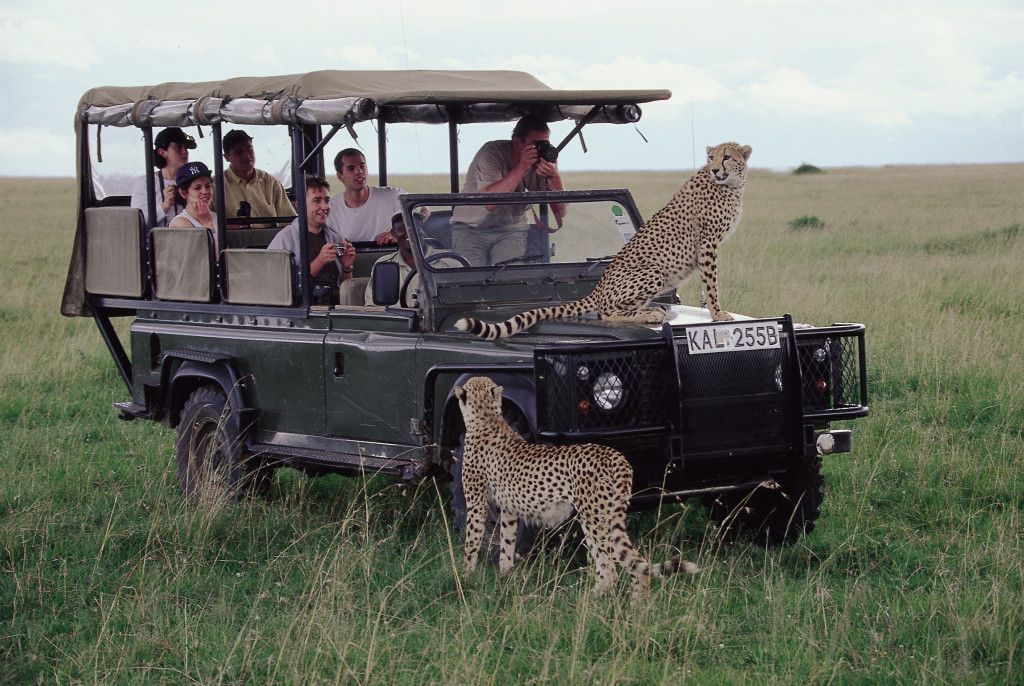
Welcome to the Kenya safaris tour packages. Picture yourself watching a lioness stalk through golden grasslands while Mount Kilimanjaro towers in the distance. That’s Kenya a country where every game drive feels like stepping into a nature documentary. Whether you’re chasing the Great Migration across the Mara or hoping to tick off your Big Five checklist, Kenya delivers safari experiences that stick with you long after you’ve unpacked your dusty boots. This guide breaks down the best routes, realistic costs, and sample itineraries so you can plan your trip with confidence. We’re Pega Tours, a local Kenyan operator, and we’ve spent years perfecting safaris that balance wildlife thrills with your actual budget.
At Pega Tours, we design Kenya safari packages tailored for travelers from the UK, USA, Europe, UAE, and Kenya itself—each combining comfort with authentic wildlife adventure.
Why Choose Kenya for Your Safari?
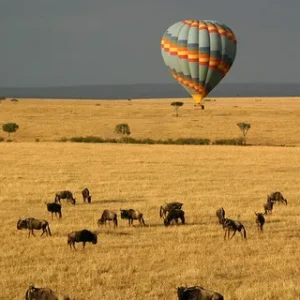
Kenya isn’t just another safari destination—it’s the safari destination for good reason. The Masai Mara hosts one of nature’s greatest spectacles when over a million wildebeest thunder across the plains between July and October. Beyond the migration, you’ve got year-round game viewing that rivals anywhere in Africa. From the red elephants of Tsavo to the rare Grevy’s zebras in Samburu, Kenya packs incredible diversity into a country you can explore in a single trip.
The landscapes shift constantly too savannahs give way to flamingo-filled lakes, then volcanic craters, then snow-capped peaks. Most travellers find Kenya easier to navigate than other African countries, with decent roads connecting the major parks and domestic flights filling the gaps. The tourism infrastructure here has been fine-tuned over decades, which means reliable lodges, experienced guides who actually know their birds, and fewer surprises when it comes to hidden costs.
Top Kenya Safaris Tour Routes & What You’ll Actually See
Masai Mara National Reserve remains the crown jewel, and honestly, it lives up to the hype. The Mara River crossings during migration season are pure adrenaline—crocodiles lurking, wildebeest hesitating, then the chaotic plunge. Even outside migration months, the Mara delivers consistent predator sightings. Lions are almost guaranteed, and if you’re patient, you might catch cheetahs in action across the open plains.
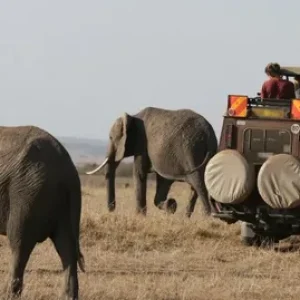
Amboseli National Park gives you those postcard shots of elephants with Kilimanjaro behind them. The mountain doesn’t always cooperate with clouds, but when it does, your camera will thank you. Amboseli’s elephants are some of the biggest-tusked in Africa, and the park’s compact size means you cover a lot of ground quickly. The swamps attract huge herds during dry months.
Lake Nakuru National Park used to be famous for millions of flamingos turning the lake pink, though their numbers fluctuate wildly these days depending on water levels. What hasn’t changed is the excellent rhino viewing—both black and white rhinos roam here, and spotting one feels like a genuine win. The park sits in the Rift Valley with scenic escarpments all around.
Samburu National Reserve flies under the radar compared to the Mara, which is exactly why some travellers prefer it. Up in Kenya’s northern frontier, Samburu gives you species you won’t see farther south: reticulated giraffes with their geometric patterns, Somali ostriches with blue legs, and gerenuk antelopes that stand on their hind legs to browse. The Ewaso Nyiro River cuts through arid landscape, concentrating wildlife along its banks.
Tsavo East and West form Kenya’s largest protected area, though most visitors only scratch the surface. Tsavo East is flat, dusty, and famous for those red elephants (they’re actually grey—the red comes from dust-bathing). Tsavo West has more varied terrain with volcanic hills and the beautiful Mzima Springs where you can watch hippos underwater through a viewing chamber.
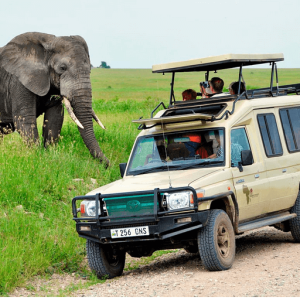
Sample Itineraries: Three Ways to Safari Kenya
3-Day Quick Mara Escape
Day 1: Most folks fly into Nairobi in the morning, grab lunch, then either take a scenic six-hour drive to the Mara or hop a quick flight to one of the airstrips. You’ll arrive at your camp by late afternoon with just enough time for your first game drive as the sun drops low. That evening light does something magical to the landscape.
Day 2: Full day in the Mara means heading out at dawn when predators are still active and the air is cool. Your guide will follow fresh tracks, radio chatter from other vehicles, and years of instinct to position you near the action. You’ll break for a picnic lunch under an acacia tree, then push on until dusk. Some camps offer sundowner drinks on a hill overlooking endless plains.
Day 3: Early morning drive squeezes in one last chance at sightings before you head back to Nairobi, arriving by mid-afternoon for evening flights home.
Best for: Travellers on tight schedules, first-timers who want to test if safari life suits them, or anyone adding a quick wildlife fix to a Nairobi business trip. Flying both ways saves time and adds an aerial perspective of the Rift Valley.
Realistic starting price: Around $800–$1,200 per person with mid-range tented camps, road transfers, and shared game drives.
7-Day Classic Kenya Safaris Tour
This route covers the highlights without feeling rushed—you’ll actually have time to sit and watch animal behaviour rather than just ticking off species.
Day 1-2: Start in Nairobi, then drive up to Lake Nakuru for rhino tracking and possible leopard sightings in the fever trees. The lake itself changes character with the seasons, sometimes teeming with birds, sometimes looking more desolate.
Day 3-5: Head to the Masai Mara for three full days of game drives. With this much time, you can explore different sections of the reserve, visit a Maasai village, and not feel stressed if one drive comes up quiet. The Mara rewards patience—sometimes the best moments happen when you’re just sitting by a waterhole watching interactions unfold.
Day 6-7: Swing down to Amboseli for those Kilimanjaro views and elephant encounters before returning to Nairobi. The drive from Mara to Amboseli is long, so some itineraries flip the order or add a flight.
Best for: Families, photographers who need time to work different light conditions, and anyone who wants a proper safari experience without attempting to see absolutely everything.
Realistic starting price: $2,200–$3,500 per person depending on accommodation level and whether you use any flights instead of all road transfers.
10–13 Day Kenya Explorer
This extended version lets you venture off the standard circuit into Samburu’s distinct northern ecosystem, then loop through Mara and finish in Tsavo.
You’ll spend 2-3 nights in each location, giving you repeated game drives to build knowledge of each area. By day five, you’ll start recognizing individual lions or that specific elephant herd. The longer timeline also allows for rest days or activities beyond game drives—guided bush walks, cultural visits, or just sitting by the pool watching warthogs graze.
The northern parks require longer drives or domestic flights, which adds cost but delivers far fewer tourist vehicles crowding sightings. In Samburu, you might be the only vehicle watching a leopard for half an hour.
Best for: Serious wildlife enthusiasts, photographers building a comprehensive portfolio, retirees with flexible schedules, or anyone treating this as their big once-in-a-decade trip.
Realistic starting price: $4,500–$7,500 per person, heavily influenced by camp choices and flight use.
Ready to Book Your Safari?
Let our Pega Tours team craft a custom itinerary matching your travel dates, interests, and budget.
Contact Us | Get a Free Quote
Package Comparison: Budget vs Mid-Range vs Luxury
| Category | Price Per Person | Duration | Parks Covered | Accommodation | What’s Included | Recommended For |
|---|---|---|---|---|---|---|
| Budget Safari | $250-$400/night | 3-7 days | Mara, Nakuru | Basic tented camps, shared facilities | Park fees, transport in safari van, guide, most meals | Solo travellers, students, groups willing to rough it slightly |
| Mid-Range Safari | $400-$700/night | 5-10 days | Mara, Amboseli, Nakuru, Samburu | Comfortable tented camps with ensuite, some pools | All of above plus better food, smaller group sizes, some domestic flights | Couples, families, most first-timers |
| Luxury Safari | $700-$1,500+/night | 7-14 days | All major parks with private conservancies | High-end lodges, private plunge pools, gourmet dining | Everything included plus drinks, laundry, special activities, private guides | Honeymooners, luxury travellers, photography-focused trips |
These prices typically exclude international flights, visa fees (around $50 for most nationalities), travel insurance, and personal expenses like tips and souvenirs. Most operators suggest budgeting $10-15 per day for guide tips and a bit more for camp staff.
Practical Planning: Best Time, Health & Packing Essentials
Best months to visit depend on what you’re chasing. July through October brings the Great Migration river crossings and generally excellent game viewing across all parks, but expect premium prices and more vehicles. January through March offers good weather with fewer crowds and lower rates—this is shoulder season and often underrated. April, May, and November get hit with rains, which makes some roads challenging but transforms the landscape into something lush and green. Birds are everywhere, and newborn animals stumble around learning to walk.
Health preparation isn’t complicated but shouldn’t be skipped. Malaria exists in most safari areas, so prophylaxis makes sense—chat with your doctor about options like Malarone or doxycycline. Yellow fever vaccination is officially required if you’re arriving from an endemic country, and immigration occasionally asks for your card. Routine vaccines should be current. The altitude in places like Nairobi (1,600m) rarely causes issues, but drink plenty of water during your first couple of days.
Packing smart makes a huge difference. Neutral colours (khaki, olive, beige) help you blend in and don’t attract tsetse flies like dark blues and blacks do. Layers work better than heavy jackets since mornings start cold then heat up fast. A good hat, sunscreen (high SPF), and sunglasses are non-negotiable under that equatorial sun.
Binoculars dramatically improve your experience—you can watch behaviour at distance rather than relying entirely on your guide’s scope. Camera gear is obvious, but don’t forget extra batteries and memory cards since charging opportunities might be limited in some camps. A headlamp helps for navigating tents at night, and hand sanitizer is worth having for picnic lunch stops. Kenya uses UK-style three-pin plugs (240V), so pack appropriate adapters.
Visa and entry requirements are straightforward for most visitors. The eVisa system lets you apply online before travel—it costs about $50 and takes a few days to process. Some nationalities still get visa-on-arrival, but checking current rules for your passport prevents arrival stress. Your passport needs six months validity beyond your travel dates.
Safety-wise, Kenya’s safari areas are genuinely safe when you follow basic guidance. Don’t wander outside camps at night without an escort (hippos and other animals roam freely). In Nairobi, use common sense with valuables and avoid displaying expensive jewelry or cameras unnecessarily. Your Pega Tours guide will brief you on specific situations, but safari camps take security seriously with trained staff and barrier systems.
Booking timeline matters—if you’re aiming for July through October, booking 6-9 months ahead secures better camp availability and sometimes early-bird discounts. Last-minute deals occasionally pop up, but you’ll have far fewer choices.
Real Traveller Experiences with Pega Tours
“Peter and his team organized an incredible week for our family. The guides knew exactly where to position us for the Mara River crossing, and my kids still talk about the baby elephant we watched learning to use its trunk.” — Sarah M., UK
“Best value safari we researched. No hidden fees, excellent communication, and they actually delivered everything promised.” — James K., USA
All our guides are licensed Kenyan professionals with years of field experience and genuine passion for wildlife. They’re not just drivers—they understand animal behaviour, bird calls, and how to read landscapes. Many of our team grew up in areas bordering these parks and bring local knowledge you won’t find in guidebooks. You can read more detailed reviews on our TripAdvisor page where we maintain a 5-star rating.
Local Expert Tips for First-Time Safari Travelers”
Share quick insights like:
“Skip the mid-day drives animals rest in the heat. Early mornings and late afternoons are golden for photography and sightings.”
“Carry a reusable water bottle and support lodges that ban single-use plastics. It’s small gestures like these that keep Kenya’s parks pristine.
Frequently Asked Questions
When is the Great Migration visible in Kenya?
The dramatic Mara River crossings happen between July and October, with August and September typically offering the most action. The herds move constantly though, so exact timing shifts each year based on rainfall patterns.
How much do Kenya safaris actually cost per person?
Budget safaris start around $250 per person per day, mid-range runs $400-700 daily, and luxury options exceed $700-1,500 per day. These rates usually include accommodation, meals, park fees, guide, and transport. Most 7-day safaris land in the $2,500-4,500 range for mid-range options.
Do I need a visa to visit Kenya?
Most nationalities require a visa, which you can obtain through Kenya’s eVisa system online before travel. It costs approximately $50 and processes within a few days. Some countries have visa-on-arrival arrangements, but checking in advance prevents airport complications.
Is Kenya safe for tourists?
Safari areas are very safe with professional operations and security measures at all camps. Nairobi requires normal urban precautions with valuables, but millions of tourists visit Kenya annually without incident. Follow your guide’s instructions around wildlife and you’ll be fine.
What’s included in a typical safari package?
Most packages include accommodation, meals (usually full board), park entry fees, game drives with an experienced guide, and transport in a 4×4 safari vehicle. International flights, visas, travel insurance, tips, and drinks are typically extra unless specifically stated.
Can I customize my safari itinerary?
Absolutely—that’s actually where Pega Tours specializes. We build itineraries around your interests, whether you’re focused on photography, bird watching, particular animals, or balancing safari time with beach relaxation on the coast.
Ready to Start Your Kenya Safari Adventure?
Kenya’s waiting, and honestly, there’s no perfect time just the time you decide to go. Whether you’ve got three days or three weeks, we’ll build something that fits your schedule and budget without cutting corners on the experience. Every safari we organize includes transparent pricing, experienced guides who actually care about your experience, and the kind of local knowledge that comes from living and working in Kenya.
Contact Pega Tours today for a free custom quote—we’ll respond within 24 hours with a detailed proposal.
Phone: +254 722 776 094
WhatsApp: +254 722 776 094
Email: [email protected]
Don’t just dream about watching lions hunt at sunrise or elephants silhouetted against Kilimanjaro—let’s make it happen. Your Kenyan adventure starts with one conversation.


Comment (0)